
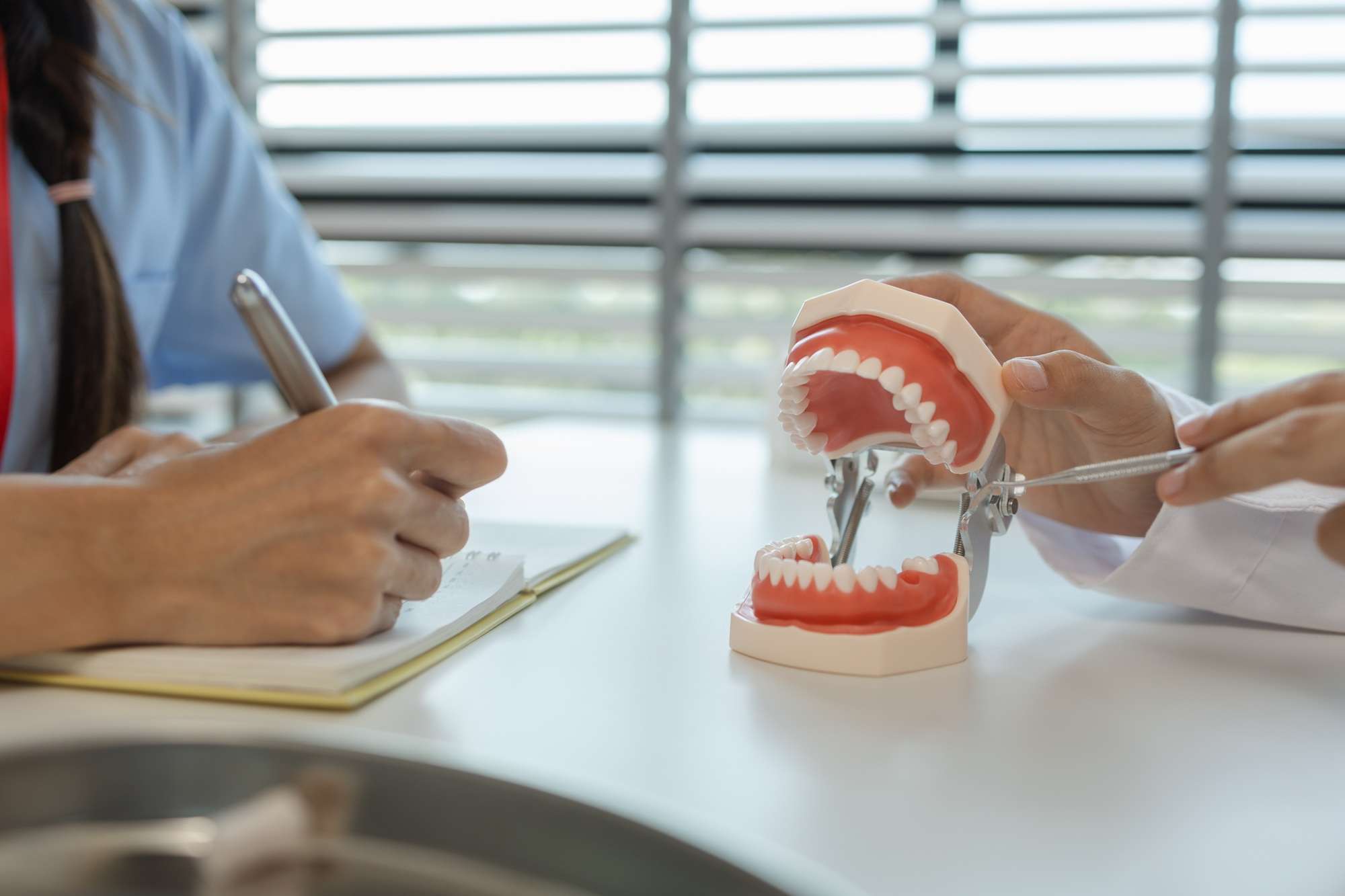

Wisdom teeth are the final set of molars located at the back of the human mouth, and when they emerge, they cause significant pain for many young dental patients. Because the human jaw lacks extra space, dentists frequently extract these late molars to prevent crowding. Removing them early helps to prevent serious alignment issues and stops painful infections. Here are some ways to prepare for surgery to remove these teeth:
1. Fast Before Surgery
The medical team administers anesthesia, so patients must stop eating long before the scheduled procedure. If you consume food the morning of surgery, your stomach will react poorly to the medication. The fasting period strictly lasts for several hours prior to the dental appointment. Water is sometimes acceptable in small amounts, but solid meals are typically forbidden.
When patients ignore this fasting rule, oral surgeons must postpone the wisdom teeth operation to a later date. A completely empty stomach keeps your airways clear and drastically reduces severe nausea during the operation. Digestion diverts energy away from healing, and an active stomach disrupts the deep sedation process entirely. While fasting feels uncomfortable for a few hours, it keeps the entire surgical process safe.
2. Arrange a Ride
Strong sedation may leave patients groggy and disoriented for several hours following the dental extraction procedure. Even though you might feel completely awake, operating a motor vehicle is very dangerous. You absolutely need a reliable driver, so ask a trusted individual for a ride very early. The front office staff requires the physical presence of your designated driver in the waiting room, which may be:
- A trusted family member
- A reliable close friend
- A hired medical transport service
3. Follow the Dentist’s Directions
Clinics provide specific paperwork beforehand, and patients must read these detailed documents very carefully at home. The printed instruction packets cover strict rules regarding your current prescription medications and daily vitamin intake. Before your scheduled appointment arrives, call the front desk with any questions about the written guidelines. Following these rules speeds up the intake process, and it prevents unexpected delays on surgery day.
Because some daily pills interfere with anesthesia, doctors carefully review your entire medical history beforehand. The surgeon evaluates your daily prescriptions, and they adjust your morning doses to prevent bad reactions. Taking unapproved medications creates unnecessary risks during the tooth extraction process inside the dental clinic. Unless the dentist explicitly approves a specific pill, you must skip your usual morning vitamin supplements.
Pharmacies may dispense strong painkiller prescriptions early to help patients prepare for the recovery phase at home. Pick up these prescribed medications today, or you will experience severe discomfort later this week. When you return home from the clinic, you will need to rest in bed right away. Having your recovery supplies completely ready on the night before the operation is helpful.
4. Brush and Floss
Your mouth will typically hurt later, so you must clean your teeth thoroughly in the morning. While you will not eat breakfast, a rigorous brushing session removes harmful lingering plaque and bacteria. Flossing between the remaining molars creates a sanitary environment for the oral surgeon to work.
Schedule Wisdom Teeth Removal
Since proper preparation helps the surgical process run smoothly, follow every single step with great care. Planning ahead minimizes your anxiety and sets a strong foundation for a rapid recovery at home. Contact a dental surgery office today and book your initial dental evaluation. If you experience lingering jaw pain right now, call a clinic immediately to schedule your consultation.
