

Hip replacement surgery is a standard orthopedic procedure that requires a structured rehabilitation phase. Patients benefit from seeking information about the recovery timeline before their operation. Medical professionals monitor patients closely after the operation, but patients must also follow specific protocols for a smooth recovery. Here is more information on the surgery, why it is conducted, what the process involves, what recovery is like, and the benefits of professional guidance:
What Is Hip Replacement Surgery?
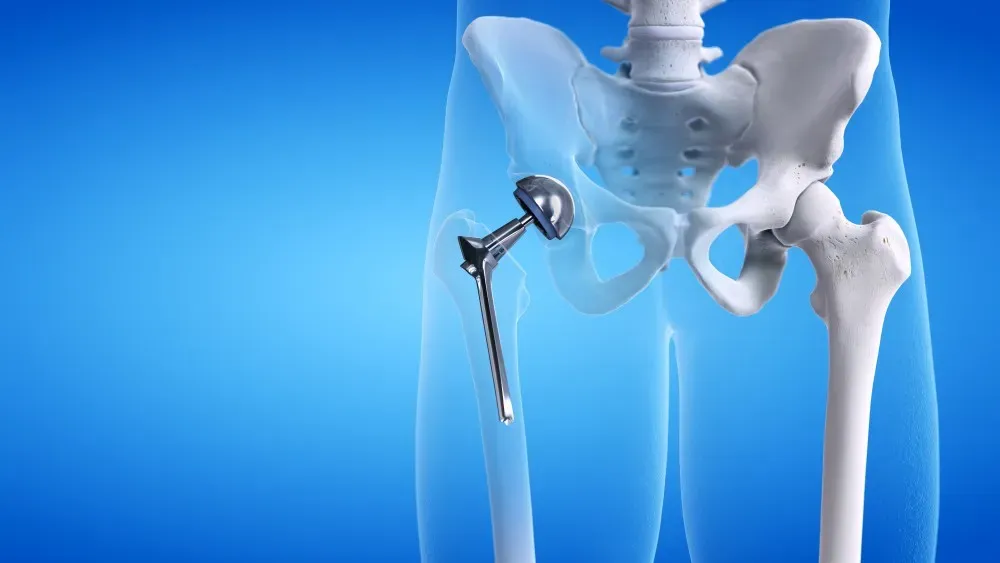
Hip replacement surgery involves removing a damaged hip joint and replacing it with an artificial implant. This procedure is known medically as hip arthroplasty. The prosthesis consists of metal, ceramic, or hard plastic components. The doctor removes the diseased bone and cartilage, and they anchor the new prosthetic parts securely in place.
Why Is It Conducted?
Medical professionals conduct this surgery to address severe joint damage, and osteoarthritis is a common underlying cause. This condition degrades the cartilage over time. The resulting bone-on-bone friction causes discomfort during routine activities. Non-surgical treatments like physical therapy are usually the first approach, but these methods may lose effectiveness over time.
What Does the Process Involve?
The surgical process begins with the administration of anesthesia, which keeps the patient unconscious or numb in the lower body during the operation. The surgical team thoroughly prepares the surgical site. An orthopedic surgeon precisely cuts and removes the damaged joint. They position a metal stem into the hollow center of the femur, and a ceramic or metal ball attaches to the top of this stem.
The next phase of the procedure involves the pelvic socket. The surgeon removes the damaged cartilage from this specific area. They insert a new metal cup into the pelvic bone, and a smooth plastic spacer goes between the new ball and socket. This material allows the joint to glide easily, and it mimics the natural movement of a healthy hip.
What Is Recovery Like?
The initial recovery phase begins in the hospital, and it may last a few days. Physical therapists may assist the patient with standing or walking within the first twenty-four hours. Early movement safely promotes healthy blood circulation. The medical staff manages pain with specific medications and monitors the incision site for signs of infection.
At-home rehabilitation requires strict adherence to medical guidelines. Patients follow specific precautions to protect the new hip from injury. These rules prevent dislocation of the artificial joint, and individuals may avoid crossing their legs for several weeks. They may refrain from bending the hip and use elevated seating to maintain proper posture.
Physical therapy exercises may continue at home, and these routines strengthen the muscles surrounding the joint. The therapy progresses at a measured pace. The patient regains flexibility and stamina steadily over the following weeks. Swelling and mild discomfort are common during this phase, but these symptoms subside as the tissues heal completely.
How Is Professional Guidance Beneficial?
Professional guidance helps accelerate the healing process, and healthcare providers may offer customized exercise plans for each patient. These experts monitor physical progress accurately. They systematically adjust the rehabilitation routines based on individual recovery rates. Surgeons also schedule follow-up appointments to evaluate the implant and verify the correct placement of the prosthesis.
Facilitate Your Recovery Today
Hip replacement surgery offers a solution for severe joint degradation. The recovery process requires commitment to a structured rehabilitation plan. Patients benefit from carefully following medical instructions to navigate the physical challenges of healing. Consult with your healthcare provider to discuss your surgical options and schedule an evaluation to find joint relief.
