
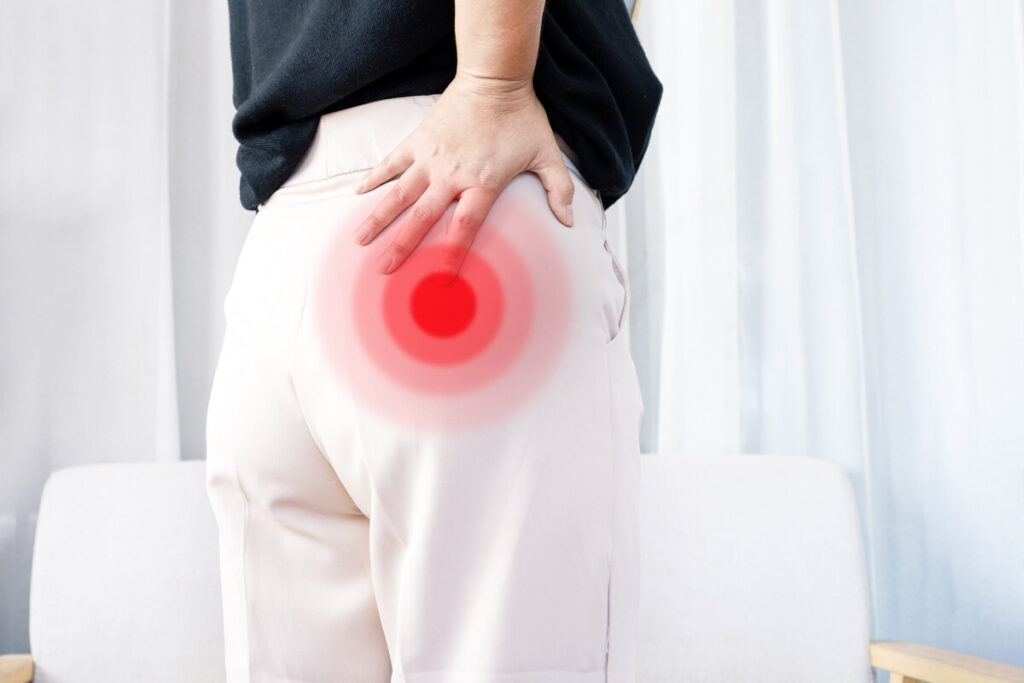

Sciatica may cause pain along the nerve path. This condition can affect the lower body, and it disrupts daily tasks. Understanding your symptoms can support you as you look for care. Describing symptoms clearly to a healthcare provider helps you find guidance.
Sensations of Sciatica
With sciatica, you might experience throbbing leg pain. Electrical shocks sometimes travel downward, causing your feet to go numb. When the nerve is pinched, a crawling sensation may occur, or muscle tightness develops. You might notice pain changes throughout the day, or it feels sharper after sitting a long time or standing up quickly. Discomfort sometimes feels like electric surges, making it hard to ignore symptoms during daily activities. Some people with sciatica report a pulsating or buzzing sensation, which may be constant or intermittent. Sudden movements can trigger more noticeable discomfort. Common sensations and experiences with sciatica include:
- Throbbing or pulsing pain in the leg
- Electrical or shooting pain that travels down the leg
- Numbness or tingling
- Areas of tightness, aching, or band-like discomfort
- Buzzing, crawling, or pulsing sensations
- Difficulty lifting or moving the affected leg
- Changes in balance or feeling unstable when walking
Track when and how these sensations occur. Sneezing can lead to increased discomfort, and bending forward triggers nerve shocks. If you stretch, pain sometimes intensifies.
Signals of Complications
Muscle weakness limits mobility, or you might experience changes in bladder control. Certain signs need prompt medical attention. If bowel control changes, there is a possibility of severe nerve involvement, so contact a healthcare provider without delay. Sudden changes to your ability to control urination or bowel movements mean nerves are under significant pressure. This situation is not to be overlooked, and reaching out gives you support.
If one leg becomes much weaker than the other, share these changes. If you wake up unable to move your foot or have sudden changes in leg strength, seek medical care promptly. Some symptoms involve loss of bladder or bowel control, and contacting a healthcare provider supports your well-being. These complications suggest a need for further evaluation. Reaching out allows your care team to offer support, and they can guide you through the next steps.
Sources of Compression
Herniated disks sometimes pinch the sciatic nerve, and degenerative disk disease narrows spaces in the spine. Osteoarthritis affects spinal joints, and aging leads to more spinal wear. Injury sometimes leads to increased nerve-related symptoms. In some cases, foraminal stenosis narrows the spaces where nerves exit the spinal column, leading to discomfort or periodic flare-ups. Certain spinal conditions cause one vertebra to slip over another, increasing the risk of nerve compression. This change develops slowly, although injuries introduce new challenges. Tumors or abnormal growths can put pressure on nerve roots. Pregnancy can worsen nerve compression due to weight gain and posture changes.
Schedule Your Consultation Today
Spinal injections provide targeted pain relief. Physical therapy builds strength, and targeted stretching improves flexibility. After you consult a professional, therapy begins. Take action regarding your spine health today. If your sciatica is untreated, contact your doctor immediately. Review your treatment options, and schedule a medical appointment soon.
