
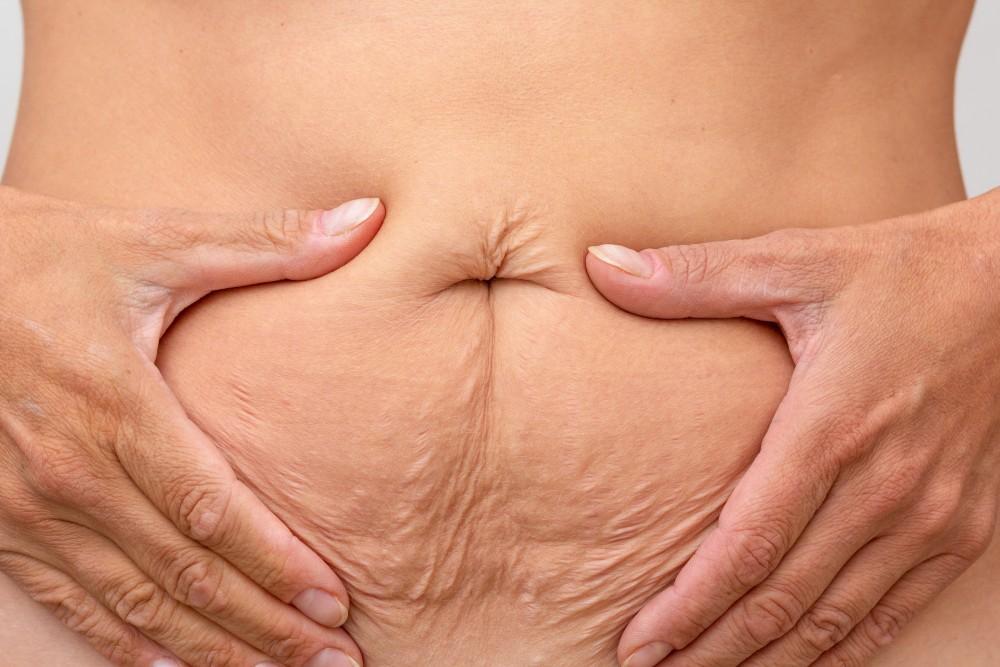

A tummy tuck is a surgical procedure that modifies the abdominal profile. It involves removing excess skin and fat from the midsection, which helps patients achieve a smoother abdominal contour. The recovery phase dictates modifications to daily routines, and individuals benefit from adapting their schedules accordingly. Here is more information on this procedure:
What Is a Tummy Tuck?
An abdominoplasty is a clinical intervention designed to alter the physical structure of the abdomen. Surgeons remove excess tissue from the mid and lower sections, and they may tighten the abdominal wall fascia, creating a flatter abdominal profile. A tummy tuck requires general anesthesia, and it takes several hours to complete.
What Does It Address?
This surgical intervention targets physiological changes that diet and exercise cannot resolve. Pregnancy and significant weight fluctuations often stretch the abdominal fascia. A tummy tuck corrects this structural separation, and it removes the remaining loose skin. Medical practitioners recommend this for specific anatomical concerns, providing a permanent structural correction.
What Does the Process Involve?
The surgical process begins with a comprehensive medical evaluation. A surgeon administers anesthesia, and they make an incision across the lower abdomen. The practitioner then elevates the skin to reposition the underlying muscles. They trim away the redundant skin before closing the incision.
Following the operation, medical staff apply dressings to the surgical site. They place small tubes under the skin to drain excess fluid, and they may remain in place for a few days. Patients receive specific instructions for wound care to prevent infection. The clinical team monitors the initial healing phase and schedules follow-up appointments to track progress.
How Is Daily Life Affected?
The immediate postoperative period requires rest, and individuals should avoid strenuous exercise and lifting heavy objects for several weeks. Daily tasks like driving or household chores become restricted without assistance from family members or caregivers. The body needs time to heal the internal tissues before resuming normal exertion.
Patients may modify their sleeping positions during the initial recovery phase. Medical professionals may advise sleeping on an incline, as this reduces tension on the abdominal incisions. This specific posture prevents unnecessary stretching of the healing skin, facilitating a smoother recovery. Individuals may use specialized pillows for support until the surgeon provides clearance.
Returning to work depends on the physical demands of the patient’s occupation. Office workers may resume their duties quickly, but individuals with physically demanding jobs require a longer absence. The surgeon evaluates the healing progress during follow-up visits. Patients benefit from communicating with their employers about these limitations for a gradual return to their schedules.
What Are the Benefits?
The primary benefit is a physical alteration of the abdominal profile. Patients achieve a firmer midsection by removing excess skin. This anatomical correction helps reduce skin chafing against clothing, and some individuals may experience improved posture due to tighter core muscles.
The structural changes provide long-lasting physiological results. The tightened fascia remains securely in place, and the removed skin does not return. Individuals maintain these outcomes through balanced nutrition. They benefit from incorporating regular physical activity after receiving medical clearance to maintain a contoured profile.
Improve Your Quality of Life
Understanding the clinical aspects of an abdominoplasty prepares patients for the necessary lifestyle adjustments. The surgery requires a structured recovery protocol, and individuals should commit to the recommended healing timelines. Proper planning mitigates disruptions to daily routines. Schedule a consultation to discuss your specific medical requirements today.
