
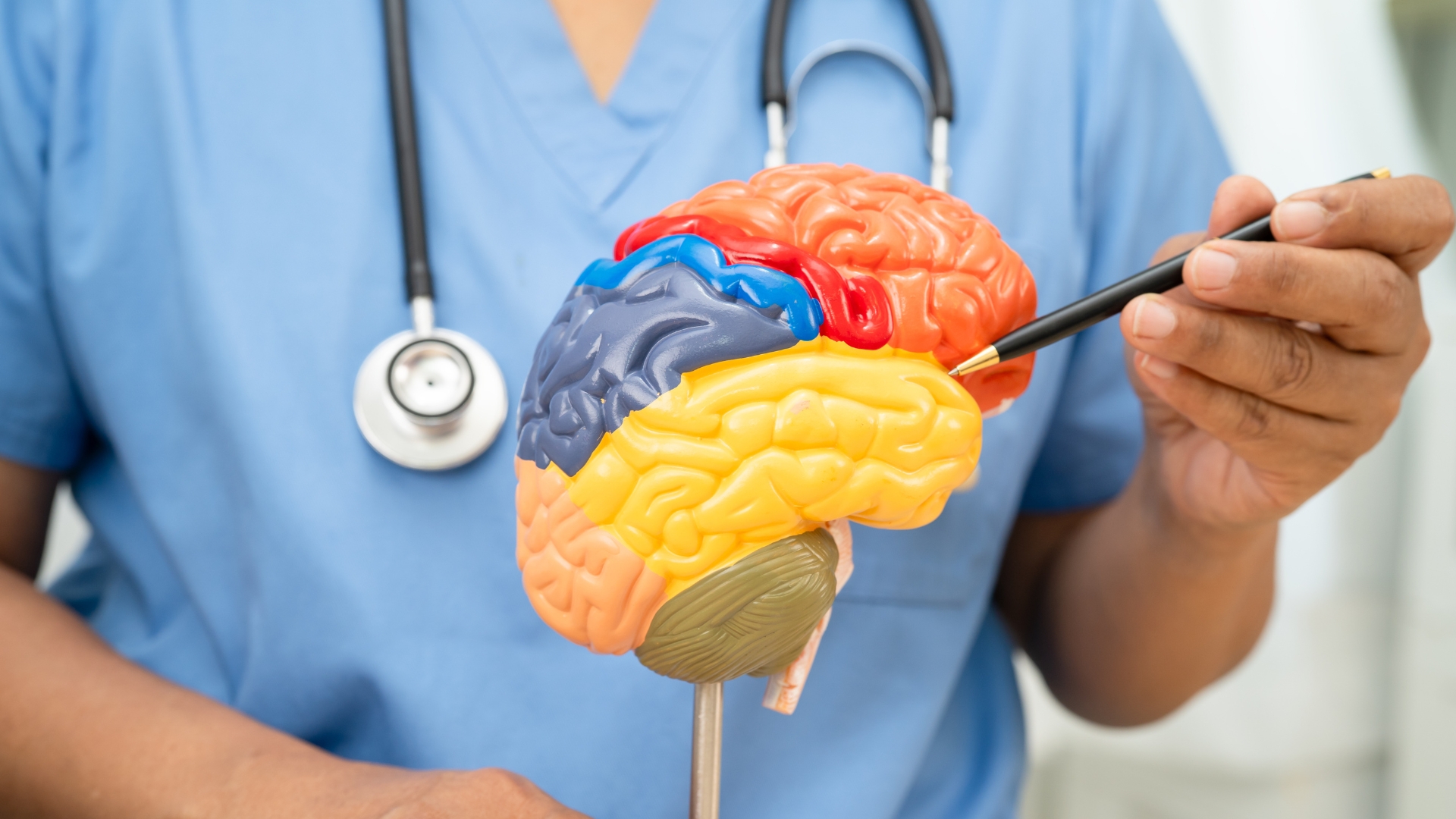

A stroke is a medical event that affects the brain, occurring suddenly and without warning. Many people experience a stroke each year, and the way it is handled in the first hours often shapes the path of recovery. Knowing the basic facts about strokes can help you recognize warning signs and seek proper treatment from healthcare providers like neurologists.
What Is a Stroke?
A stroke takes place when blood flow to part of the brain is interrupted, and brain cells depend on a steady supply of oxygen and nutrients carried by the blood. When that supply is cut off, brain cells can begin to die within minutes. The effects depend on which part of the brain is involved and how long the interruption lasts.
There are two main types of stroke. The first is an ischemic stroke, and this happens when a clot blocks a blood vessel that feeds the brain. This is the most common form. The second is a hemorrhagic stroke, which occurs when a blood vessel in the brain leaks or bursts. Both types are serious and call for medical attention right away.
There are a few common signs of a stroke; these include sudden weakness on one side of the body, trouble speaking or understanding speech, drooping on one side of the face, and loss of balance. A simple way to remember these signs is the term FAST: Face, Arms, Speech, and Time to call for help. Acting quickly can make a meaningful difference in outcomes.
What Causes One?
Several factors raise the chance of having a stroke, and high blood pressure is one of the most common contributors. When pressure inside the blood vessels stays high over time, it can weaken or damage them. Other health conditions that may play a role include diabetes, high cholesterol, and heart problems such as an irregular heartbeat.
Lifestyle habits also matter. Smoking, heavy alcohol use, and a lack of physical activity can all add to the risk. Carrying extra body weight may increase the chance as well. Some risk factors cannot be changed, including age, family history, and certain genetic traits. The likelihood of a stroke tends to rise as people grow older, but strokes may occur at any age.
How Are They Treated?
A neurologist is a doctor who specializes in conditions of the brain, spinal cord, and nervous system. When a person has a stroke, neurologists can play a central part in diagnosis and care. Neurologists may order brain imaging to learn which type of stroke has occurred and where the damage is located; these images guide the choices that follow.
Treatment depends on the type of stroke. For an ischemic stroke, doctors work to restore blood flow as quickly as possible. For a hemorrhagic stroke, the focus shifts to controlling bleeding, and reducing pressure on the brain is also a priority. The approach is tailored to each patient’s condition.
After the early phase, neurologists may help guide recovery. They can coordinate with other professionals to support rehabilitation. They also monitor patients over time, and this lets them address factors that may lead to another stroke. Regular follow-up visits allow the care team to track progress and adjust the plan as needed.
Seek Care From Neurologists
A stroke is a condition that calls for prompt attention and ongoing support. Neurologists bring focused training and experience to the care of patients who have had a stroke, from the first evaluation through long-term recovery. Reaching out to a qualified medical professional is a meaningful way to take charge of your brain health, and their care lets patients move forward with informed support.
