
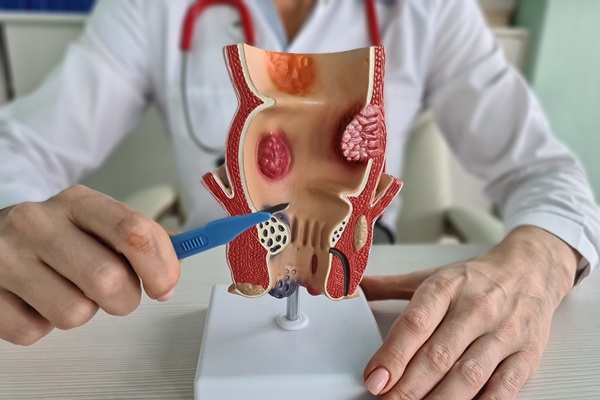

Hemorrhoids are swollen blood vessels located in the lower rectum or around the anus. They develop when pressure builds in these veins, and common triggers include straining during bowel movements, prolonged sitting, and low-fiber diets. The condition presents in two forms, internal and external, depending on the location of the swelling. Many cases can be managed at home with practical methods that reduce discomfort and address contributing factors.
Topical Creams
Topical creams are applied directly to the affected area to address swelling and irritation. Many of these products contain hydrocortisone or witch hazel, and both ingredients work to calm inflamed tissue that occurs with hemorrhoids. Some formulations also include numbing agents, meant to reduce the sensation of pain. The cream is spread over the external region according to the directions on the package.
Most over-the-counter creams are designed for short-term use, typically lasting no more than one week. Prolonged application of products containing steroids can thin the skin, so the listed instructions set clear limits on duration. A pharmacist can explain which formulation suits a particular set of symptoms. Reading the label before each application reduces the risk of misuse.
Warm Baths
Warm baths, often referred to as sitz baths, involve sitting in shallow warm water for a set period. The water relaxes the muscles around the anal region, and this relaxation may reduce the sharp discomfort that occurs after bowel movements. A typical session lasts between ten and fifteen minutes. These can be repeated several times a day.
The water temperature should be warm rather than hot, avoiding irritating sensitive tissue. Sessions should be repeated after a bowel movement when the area is most tender. Patting the region dry with a soft towel afterward prevents added friction, and a clean basin should be used each time to limit the spread of bacteria.
Frequency and consistency shape how the method fits into a daily routine. People who sit for long hours often schedule these baths in the morning and evening, and the regular timing keeps the practice manageable. Adding plain warm water without soaps or additives keeps the approach simple. Strong fragrances and harsh cleansers are best left out of the basin.
Fiber Intake
Fiber intake influences the texture and ease of bowel movements, which directly relates to the strain placed on rectal veins. Soluble fiber absorbs water and forms a softer stool, while insoluble fiber adds bulk that helps material move through the intestines. Foods such as oats, beans, fruits, and whole grains supply both types. Gradual increases in fiber reduce the gas and bloating that sudden changes can cause.
Adequate water consumption supports the work that fiber performs in the digestive tract. Without enough fluid, added fiber can harden stool and increase straining instead of reducing it. A daily intake of around 25 to 30 grams of fiber is a common reference point for adults. Tracking food choices over a week reveals whether that range is being met.
Learn How to Manage Hemorrhoids
Managing hemorrhoids combines several methods that target both symptoms and underlying causes. At-home methods of treatment are often enough to let them heal, and many times, symptoms are gone after about a week. If discomfort continues, an evaluation by a physician can increase treatment options. Book an appointment with a healthcare provider to discuss your symptoms and how to manage them.
