
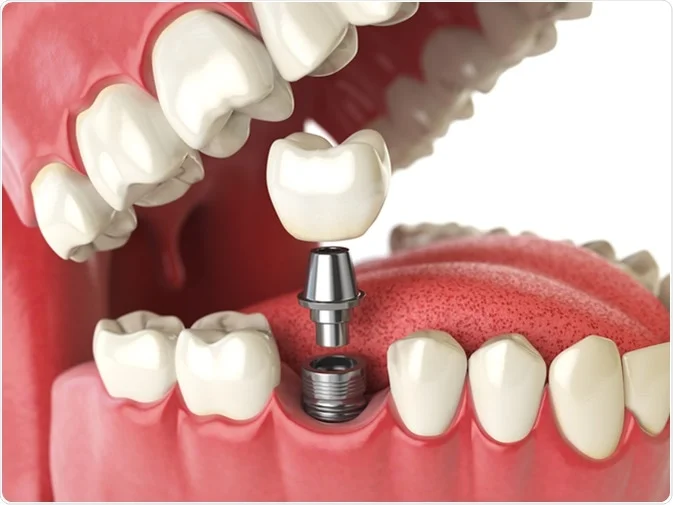

Dental implants are artificial tooth roots, typically made of titanium, that are surgically placed into the jawbone to support a replacement tooth or bridge restoration. They are a permanent base for fixed or removable replacement teeth. When individuals lose teeth due to injury, decay, or other causes, dental implants provide a structural replacement that closely mimics the anatomy of natural teeth. By integrating directly with the bone, these restorations offer a reliable way to replace missing teeth. Here’s information on dental implants and their benefits:
Improving Stability
Dental implants anchor securely into the jawbone, providing a durable foundation for artificial teeth. Unlike traditional dentures that rest on top of the gums, implants become part of the jawbone. This structural integration creates a stable foundation for the custom crowns or bridges attached to the implants, as they cannot shift or slip out of place during regular use.
Individuals missing one or more teeth may need dental implants to restore the function and appearance of their smile. Candidates generally need fully grown jawbones, adequate bone density to secure the implants, and healthy oral tissues. Those who are unable or unwilling to wear traditional removable dentures might also benefit from implants to replace missing teeth. A thorough evaluation of your medical history is required to determine your candidacy, which a dentist can provide.
Maintaining Bone Health
The placement of a dental implant involves a multi-step surgical procedure before the final restoration can be made. Here’s what to expect during the first appointment, where the implant root is placed before osseointegration:
- A restorative dentist or oral surgeon places the titanium post into the bone socket of the missing tooth.
- Over a period of several weeks to months, the jawbone heals and grows around the implanted metal post. This is a process called osseointegration.
- Once the implant bonds to the jawbone, a small connector post, or abutment, is attached to hold the new tooth.
- For the final visit, a custom-made crown is fabricated and attached to the abutment, completing the restoration process.
Osseointegration is a key process that is necessary for the long-term stability and functionality of dental implants. When the titanium implant post is placed in the jawbone, the body recognizes it as biocompatible, allowing the bone tissue to grow tightly around the post over time. This connection between the bone and the implant provides a stable foundation, mimicking the natural anchoring of a tooth root. By securely integrating with the jawbone, osseointegration prevents unwanted movement of the implant, enabling normal biting and chewing ability.
This integration process supports the artificial tooth, helps maintain the integrity of the surrounding bone, and prevents bone loss. When a tooth is lost, the jawbone in that empty area eventually deteriorates due to a lack of regular stimulation from chewing. Dental implants provide the necessary mechanical stimulation to the bone, helping to maintain its volume and density over time. By acting as artificial tooth roots, implants integrate seamlessly with the existing bone structure. This integration helps preserve the natural shape of the jaw, and it prevents the structural changes that often accompany tooth loss.
Enabling Easier Eating and Speaking
Because dental implants function much like your own teeth, they allow individuals to eat a variety of foods without discomfort. The biting force provided by implants is comparable to that of natural teeth. Missing teeth or poorly fitting dentures can make chewing difficult and alter natural speech patterns. Implants eliminate the slippage associated with removable dentures, and they allow individuals to speak more clearly. The osseointegration process keeps the restoration firmly in place during all daily activities, removing the possibility of a prosthetic shifting unexpectedly.
Learn More About Dental Implants
A thorough clinical evaluation by a dentist is necessary to determine if implants are an appropriate option for your specific needs. Visit a restorative dentist to discuss implants, evaluate your jawbone density through imaging, and establish a personalized treatment plan. Understanding the precise steps involved will help you make an informed choice about your dental restoration options. To learn more, contact a dentist to schedule an appointment.
