
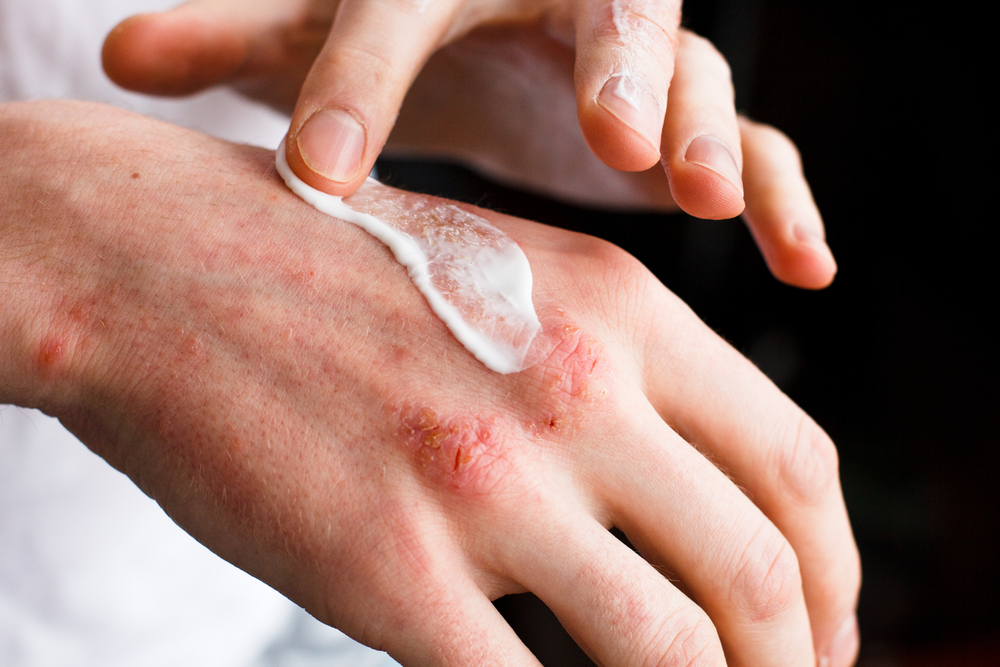

Eczema causes recurring skin irritation, dryness, itching, and inflammation that may affect daily comfort and skin health. While flare-ups can vary from person to person, practical care habits may help reduce triggers, protect the skin barrier, and support long-term symptom management. Here are some practical strategies for preventing Eczema flare-ups:
Protecting the Skin Barrier
A strong skin barrier is the primary defense against eczema. When patients use proper hydration techniques, they can effectively prevent irritants from penetrating the deeper layers of the skin. Here are ways to protect the skin barrier:
- Apply medical-grade moisturizers: Use thick creams or ointments daily to lock in moisture and protect the surface.
- Wear loose-fitting clothing: Tight fabrics irritate the skin barrier and cause unnecessary friction against sensitive areas.
- Use fragrance-free products: Scented lotions often contain harsh chemicals that trigger allergic reactions in patients.
Protecting the barrier requires ongoing attention to your daily habits. Patients should contemplate using humidifiers during dry winter months or apply moisturizers immediately after washing their hands.
Bathing With Care
Bathing habits can directly impact the long-term health of your skin barrier. Hot water strips natural oils from the body and may quickly lead to severe dryness. Long hot baths may feel relaxing, but they often worsen eczema symptoms.
Patients should limit bathing time and use a gentle cleanser. After washing, individuals should carefully pat the skin dry with a soft cotton towel. Applying moisturizer right after bathing is a fundamental step for skin health. This practice traps the remaining water on your skin, and it provides lasting hydration throughout the day.
Reducing Exposure To Triggers
To effectively manage eczema, it is fundamental to identify and minimize exposure to common triggers that may aggravate symptoms. Here are some primary eczema triggers and strategies to reduce their impact:
- Irritants: Avoid products that contain harsh chemicals, fragrances, or dyes, such as certain detergents, soaps, and cleaning agents.
- Allergens: Regular cleaning, using air purifiers, and limiting contact with allergens can help reduce flare-ups.
- Stress: Practice stress management techniques such as mindfulness, deep breathing, or regular exercise to keep stress levels in check.
- Temperature and Humidity Changes: Keep the environment stable and protect the skin with appropriate clothing during changes in temperature and humidity.
Addressing these common triggers proactively can reduce the severity and frequency of eczema symptoms, promoting healthier skin and a better quality of life.
Seeking Timely Care
Sometimes home care strategies do not provide adequate relief. Over-the-counter creams may fail, and the itchy patches can become larger or more severe over time. When symptoms disrupt daily life, patients need professional medical evaluation.
A dermatologist can diagnose the specific type of eczema accurately. They will review the individual’s comprehensive medical history, and they may prescribe topical steroid medications. If patients develop fluid-filled blisters or severe redness, they should schedule a clinical exam immediately. Advanced treatments offer helpful solutions for stubborn or severe cases. Medical practitioners may recommend specific light therapy, or they may prescribe targeted medications.
Schedule Your Eczema Appointment Today
Managing eczema requires commitment and consistent daily care routines. Individuals can effectively protect their skin barrier by reducing exposure to common household triggers. While these practical strategies offer significant relief, professional medical support remains a fundamental resource for patients. Contact a qualified dermatologist in your area to schedule your appointment for eczema today.
