
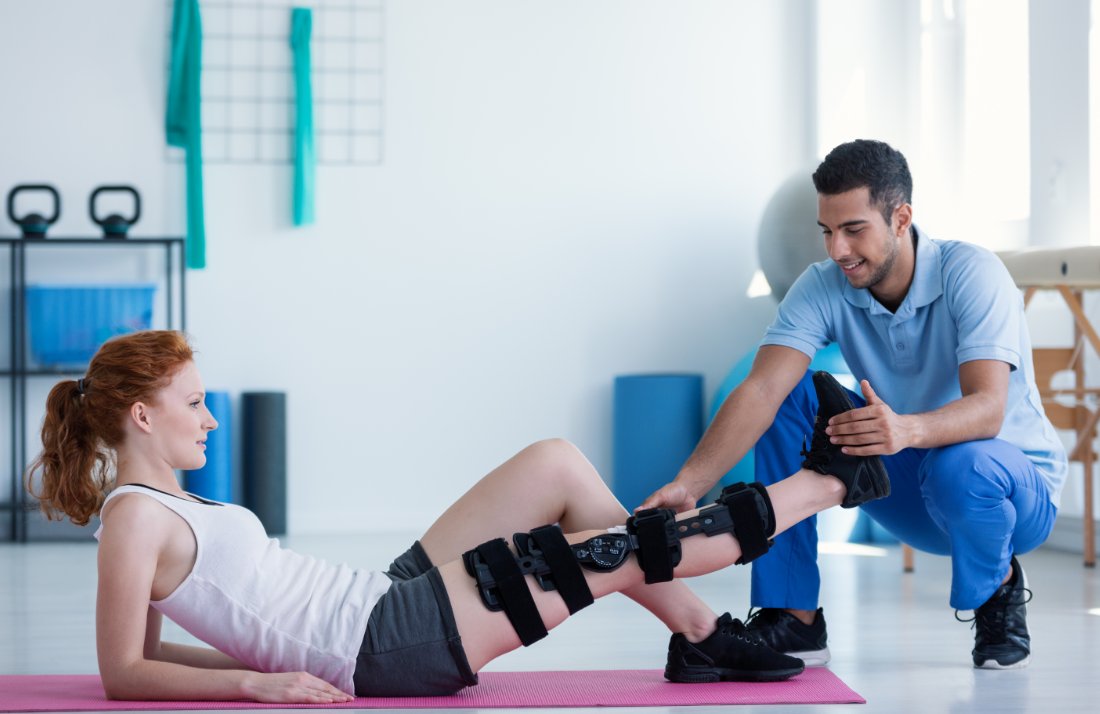

Sports medicine specialists diagnose and manage injuries of the musculoskeletal system, and they also help patients restore function and safely return to physical activity. Their care supports a wide range of individuals, including competitive athletes, recreational exercisers, and active adults who experience movement-related pain or limitations. Orthopedic sports medicine specialists further evaluate physical performance and recommend evidence-based activity modifications. They also coordinate targeted rehabilitation and procedural care when needed. Here are some of the key skills of a sports medicine specialist:
Reviewing Movement Patterns
A key skill in orthopedic sports medicine is assessing how the body moves during exercise and daily activity. Specialists can review walking, running, joint motion, and strength patterns. They look for movement limits, and they use those findings to guide next steps. This assessment provides a practical starting point for care. Functional assessments may include range-of-motion testing, strength checks, posture review, and sport-specific observation. A specialist is able to watch a runner’s stride or assess a swimmer’s shoulder motion. These services are concrete and measurable, and they are common in sports medicine practice.
Assessing Sports Injuries
Injury evaluation is another core skill. Sports medicine specialists assess various activity-related concerns, including sprains, strains, overuse issues, and joint pain. They review health history and perform a physical exam; this can help them identify the structures involved.
This evaluation sometimes includes hands-on testing of muscles, ligaments, tendons, and joints. In some cases, the specialist will order imaging, or they may refer the patient for more testing. The skill involves more than finding the problem area. It also requires matching the assessment to the person’s activity demands.
Guiding Activity Changes
Sports medicine specialists help guide activity changes in a structured way. They may reduce exercise volume, limit certain motions, or substitute one activity for another. These recommendations are practical, and they help keep care focused on function. The specialist is able to outline return-to-play steps, set temporary restrictions, or suggest low-impact alternatives. If a patient has knee pain, the provider may suggest reducing jumping drills and switching to cycling. The plan should fit the activity, and it should match the patient’s current limits.
Performing Surgical Procedures
Some sports medicine specialists perform surgery, but this service applies only in specific cases. These procedures may address torn ligaments, damaged cartilage, or complex fractures. Surgery is a major intervention, and it is usually discussed after other options are reviewed.
If surgery is recommended, the specialist explains the procedure and outlines the next steps. They review the treatment plan, and they describe the expected recovery process. The provider may also discuss activity limits, follow-up visits, and rehabilitation timelines. After the procedure, the specialist continues managing care and monitoring progress. This service supports structured recovery and coordinated follow-up.
Managing Rehabilitation Plans
Sports medicine specialists can create and manage rehabilitation plans. These plans may include:
- Stretching routines
- Strengthening exercises
- Activity limits
- Physical therapy referrals
Specialists choose elements that fit the patient’s needs, and they organize them into a clear plan. They may track progress over time and revise the plan as needed. Follow-up visits often review function, activity limits, and readiness for greater demands. They may also assess pain patterns and update exercise targets.
A final key skill is guiding return to sport, work, or exercise. This process follows a structured, stepwise progression rather than a single clearance decision. The specialist reviews functional status and monitors physical limitations while outlining appropriate activity advancement at each stage. This service may include sport-specific testing, workload planning, and written participation recommendations. It supports organized athletes, and it also applies to individuals resuming everyday physical activity.
Learn More About Orthopedic Sports Medicine
Returning to physical activity or sports after an injury requires careful planning and oversight. A step-by-step approach promotes safety; it also addresses individual needs, with specialists offering tailored testing, workload management, and detailed guidance. This process benefits athletes and anyone looking to safely rebuild their activity levels. If you’re preparing to return to exercise or need expert support, consult a qualified sports medicine professional to develop a clear and effective plan tailored to your goals.
