
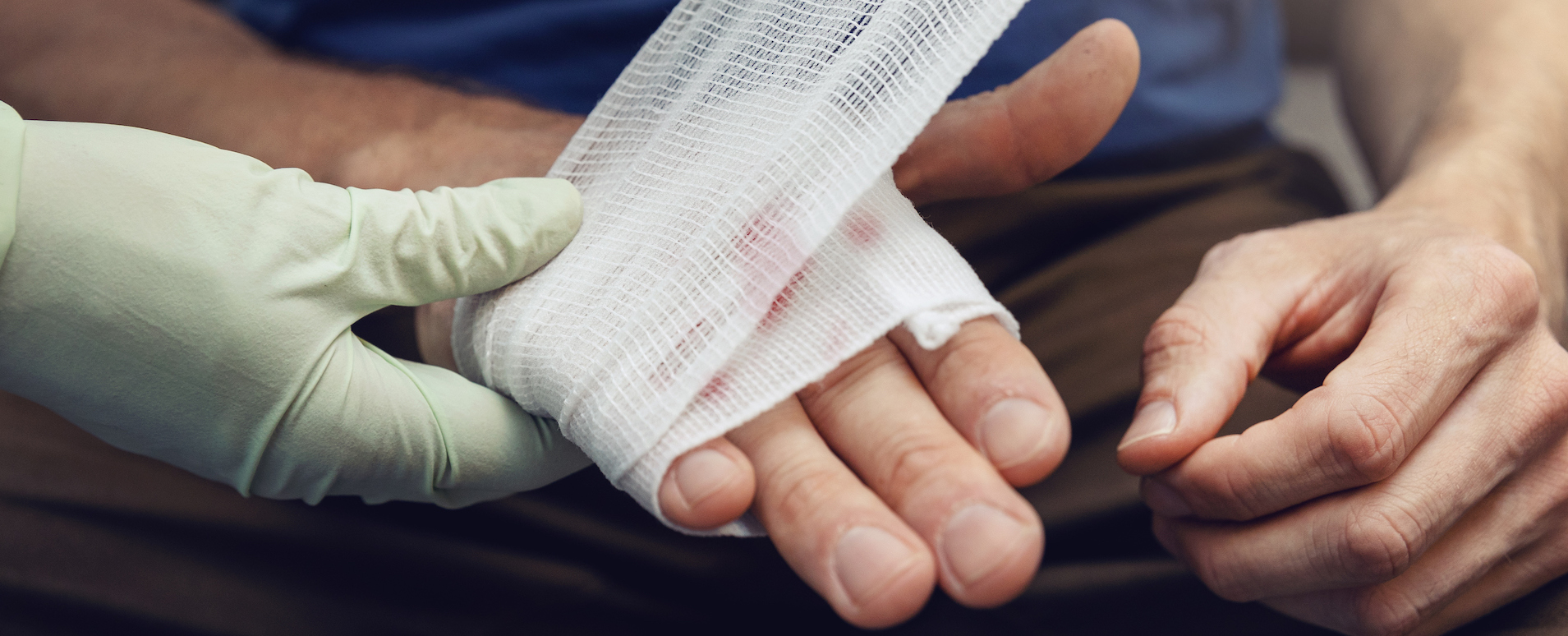

Wound care in home health settings requires a careful balance of clinical oversight, patient education, and consistent daily management. As care continues to expand beyond traditional medical facilities, innovative approaches are helping to improve healing outcomes and reduce complications for patients at home. Here’s more information on the innovative approaches to wound management in home health settings:
Evolving Wound Care
Medical staff previously relied on basic bandages for wound care, but they now use advanced materials that actively promote tissue repair. A nurse assesses the healing progress during each visit, which helps them decide the next steps. Providers gather data through digital platforms, they share this information with doctors, and they update treatment protocols when the wound shows signs of improvement.
Home health companies continuously update their standard procedures. Caregivers implement new methods after they complete mandatory training sessions. When agencies purchase updated equipment, they distribute the items to their field nurses, and the staff applies the new technology when they visit a patient.
Knowing When To Escalate Care
Certain situations require advanced intervention beyond standard home treatments. A provider evaluates the injury and recommends alternative actions for stagnant injuries. Here are some key signs that indicate the need for advanced care:
- Persistent infections: Bacteria resist standard topical treatments and oral antibiotics.
- Deep tissue damage: The injury exposes underlying muscle or bone structures to the open air.
- Circulation issues: Blood flow remains insufficient to support normal cellular repair.
- Uncontrolled bleeding: The site bleeds continuously despite applied pressure and elevation.
Specialized facilities offer extensive medical resources. Doctors perform surgical debridement, and nurses administer intravenous medications. A patient receives round-the-clock observation until their physiological condition stabilizes.
Strengthening Daily Monitoring
Patient education is fundamental for successful wound management at home. A nurse teaches the individual how to clean the area, and they demonstrate proper bandage replacement. The patient avoids complications when they understand the visual signs of infection. Families receive detailed instructions, they practice the cleaning techniques, and they contact the medical team if they notice unusual swelling or redness.
Daily monitoring requires consistent observation of the affected tissue. Caregivers measure the size of the injury, and they record the color of the drainage. They use accurate tracking so that the medical team can determine the effectiveness of the treatment plan. A patient takes pictures of the site and uploads the images to a secure portal. The doctor reviews the visual data while updating the medical file.
Improving Support for Healing
Advancements in medical tools and techniques are revolutionizing wound care and improving healing outcomes. Here are some key innovations currently being used:
- Sharp Surgical Debridement: A precise method of removing dead or infected tissue, this technique makes sure that the wound environment is clean and optimized for healing.
- Split-Thickness Skin Grafts: These grafts involve transplanting healthy skin from another part of the body to cover and close wounds, promoting faster tissue regeneration.
- Bioengineered Skin Substitutes: Synthetic or biologically derived materials that mimic natural skin offer an effective option for managing complex wounds.
- Hyperbaric Oxygen Therapy (HBOT): This treatment delivers 100% oxygen in a pressurized environment, enhancing oxygen diffusion into tissues and accelerating wound healing.
These techniques maximize the efficiency of wound care, supporting better patient outcomes in various clinical settings.
Schedule Your Wound Care Appointment
Proper wound care is key to achieving effective healing and preventing further complications. Healthcare professionals deliver expert care through procedures such as debridement, medication administration, and continuous monitoring. Once stabilized, patients can transition to at-home care, guided by updated instructions and support from skilled caregivers. Contact a wound care specialist near you to schedule your wound care appointment today.
