
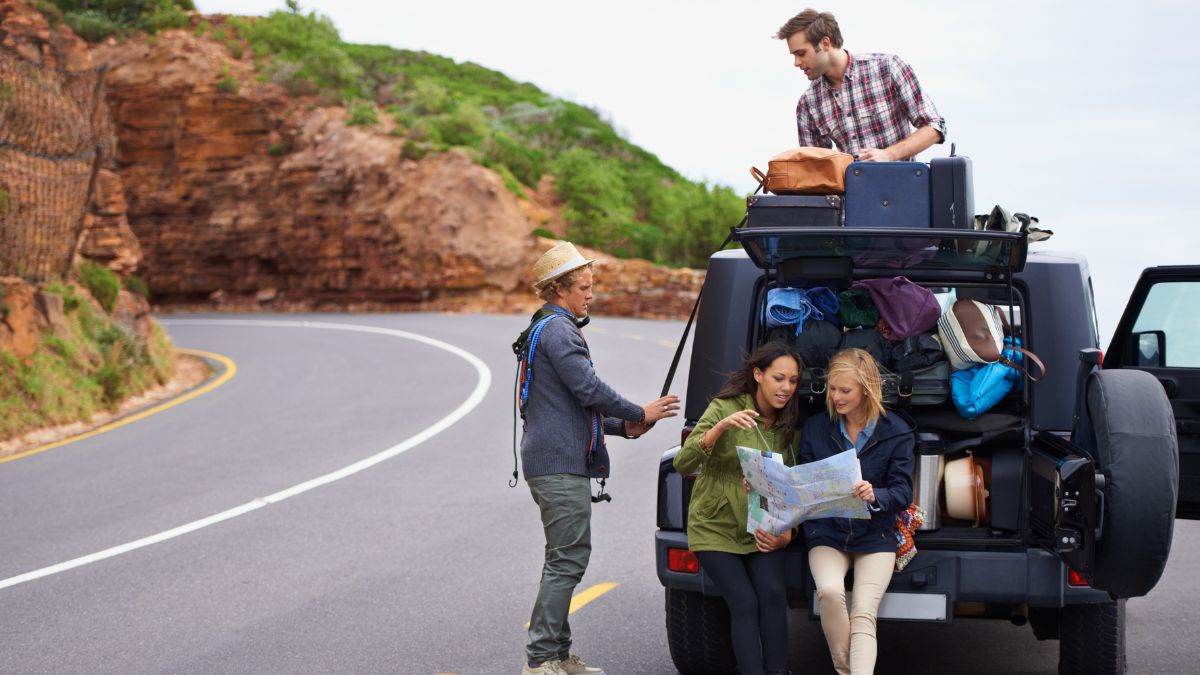

Many individuals plan their first multi-week road journey in the same manner: they try to fit in every place they’ve ever desired to visit into one schedule, rush to get from one place to the next, and then feel tired just two weeks into the trip. The issue doesn’t lie with the destinations, but rather with the pace of travel. Traveling by road in a way that is sustainable necessitates different planning and thinking than when going on a weekend trip.
The rule of threes actually works
Experienced long-haul travelers often have three basic rules they try to follow: cap driving at three hours a day, aim to be in camp by 3:00 PM, and stay at least three nights in each major location.
Three hours of driving probably doesn’t sound too wussy until you’ve spent the twelfth day in a row clambering out of the truck at dusk and unpacking half your camp in the dark, then shoving the high-lift handle in the wrong direction, smacking your thumb and on the winch and deciding you need to make a nice pot of coffee to calm down and get to work, burning yourself on the stove, and waking the next morning to do it all over again. Three hours cannot vanish quicker from a day.
Getting into camp by 3:00 in the afternoon ensures you have time to set up right, properly cook a meal, even go for a hike or game drive and start to get to know the area you’ve just invested half your day to drive to. People who’ve dealt with nomadic life on the road for years will tell you that “one-night stands” are for the birds. Even an extra half-day’s drive to put a major camp exactly where you want it and get three nights instead of two is a much more satisfying choice in the end. Two nights is just packing/unpacking hell with no closure.
Your setup is doing more work than you think
Establishing a routine that requires the minimum of effort can mean the difference between a trip that reenergizes you and one that saps your desire for travel. This is where investing in the right equipment changes everything. Transitioning from a traditional ground tent to a well-equipped caravan – particularly a hybrid model that combines off-road capability with hard-walled sleeping quarters – cuts setup time dramatically. You pull in, unhitch or level up, and you’re done. The bed is already made. The kitchen is where you left it. That consistency matters more over weeks than it does over a single weekend.
Build in zero days before you need them
Every week, plan for a day when the wheels don’t turn. The engine stays off. No motorsports, engines, sightseeing drives. Get up late, get rid of the dirt in your clothes, check the wheels, and recharge the batteries.
It may not be appealing to schedule and at the time feel like wasting time, but almost everyone who plans park days in advance and then sticks to them is grateful. They are the damp squib that saves the rocket and stops you losing interest.
You may rightly be thinking, as we used to, that you’re on the road to do stuff, see things, go places. True, but a traveling life has a silent buildup of exhaustion and minor irritations that lead to major crises and failures. You have to tend to the machine, even if the machine is you.
Simplify the food system before you leave
Planning meals may seem trivial, but you won’t realize the true importance until you find yourself at a picnic table at 7:00 PM, absolutely bagged, attempting to piece together a masterpiece entree from the one jar of pickles, a bag of rice, and some mystery canned meat you apparently thought would be enough for the week.
In a state of constant movement, nightly gourmet cooking is a sure way to break your morale. Instead, determine a few regular camping dinner options – the kind you can heat and eat from a pot on a camp stove in 20 minutes – and prep some meals while you’re still at home. Marinade some meat, bag it, throw it in the cooler. Chop up some veggies, throw them in a bag, etc.
The world is full of amazing fresh produce and local specialties that you should take advantage of. Plan to pick this stuff up in small towns along the way. Ideally, you’re stopping there to raid a general store or tiny grocer every two or three days whether you need fuel, water, or not.
Breakfast and lunch are often trail mix or power bars. Sounds boring? Tastes fine when your cooking oil is running low, you haven’t had a shower in five days, and a stiff breeze blows the scent of the nearest town’s KFC to your uppity, non-fastfooding camping face. You’ll be begging for those power bars. If you have a great idea for a gourmet dinner while driving your truck until you fall asleep at the wheel, many of us can’t remember it the next day.
