
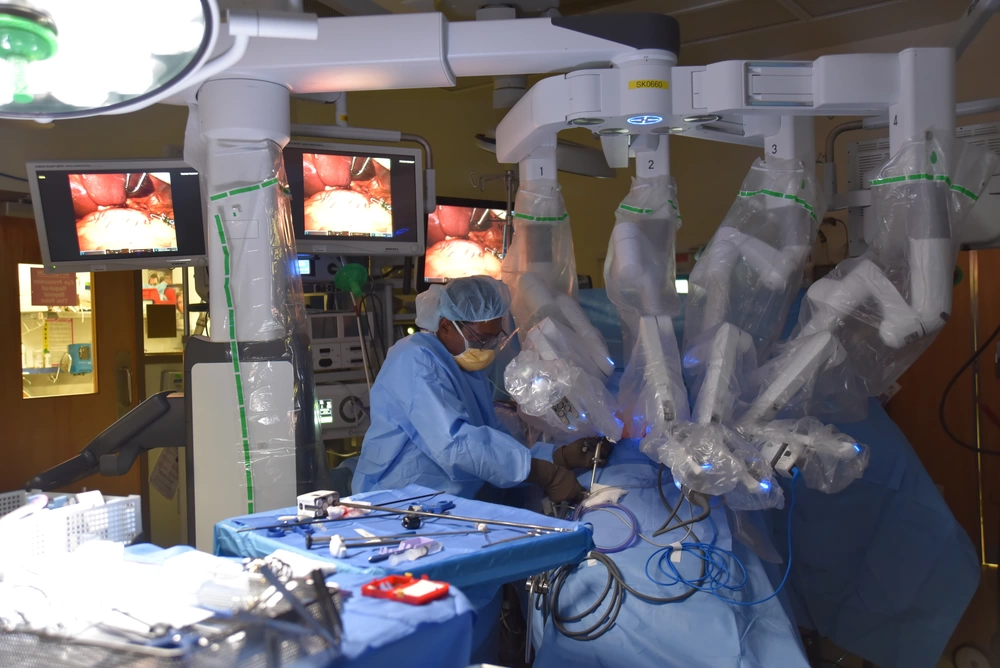

Acid reflux is a medical condition affecting the digestive system that requires clinical management for symptom relief. Medication manages mild cases of this condition, but severe cases may require surgical intervention. Physicians evaluate each patient carefully to recommend the most appropriate procedures based on specific clinical guidelines. Here is more information on robotic surgery for acid reflux:
What Is Acid Reflux?
Acid reflux occurs when stomach acid flows back into the esophagus, irritating the delicate esophageal lining. The lower esophageal sphincter normally prevents this backflow, but a weakened sphincter allows acidic contents to escape. Patients with chronic symptoms may receive a gastroesophageal reflux disease diagnosis. Robotic surgery offers a potential treatment option that can improve outcomes.
The continuous exposure to stomach acid damages the esophageal tissues over time, leading to further medical complications. Physicians use diagnostic tests to assess the extent of this tissue damage and develop targeted treatment protocols based on the results. Non-surgical treatments focus on dietary adjustments, but structural defects require mechanical correction to prevent ongoing reflux.
What Are the Symptoms?
Patients typically report a burning sensation in the chest, and this symptom usually occurs after eating. Some individuals have difficulty swallowing solid foods or notice a persistent sour taste at the back of the mouth. Chronic coughing is another symptom that may disrupt the patient’s normal sleep patterns. These symptoms vary in intensity among different individuals, necessitating a comprehensive medical evaluation.
What Is Robotic Surgery?
Robotic surgery is a minimally invasive medical procedure that utilizes advanced computer systems to assist surgeons in the operating room. The surgeon controls robotic arms from a dedicated computer console, and these arms replicate the surgeon’s hand movements with high precision. This technology is used for laparoscopic fundoplication, which addresses the anatomical causes of acid reflux. The robotic interface eliminates any natural hand tremors during the operation.
What Does It Involve?
During surgery, the surgeon makes several small incisions in the patient’s abdomen. The robotic instruments enter the body through these precise incisions, and the camera provides a magnified view of the surgical site. The surgeon wraps the upper part of the stomach around the lower esophagus. This action reinforces the weakened sphincter valve.
The medical team monitors the patient’s vital signs throughout the procedure. Specialized robotic instruments allow a wide range of motion, and they navigate tight anatomical spaces with ease. The surgeon removes the instruments after securing the stomach tissue. They then close the small abdominal incisions with medical sutures.
What Are the Benefits?
The robotic system offers enhanced visualization for the medical team, enabling highly precise anatomical manipulation during the operation. Patients may experience smaller surgical wounds and a lower risk of post-operative infection. The procedure results in minimal blood loss, and the recovery period is typically shorter. Patients may report significant symptom relief shortly after the operation, allowing them to return to their daily activities without extended delays.
Learn More From a Specialist
Acid reflux requires proper clinical evaluation by a healthcare professional, and robotic procedures provide lasting structural correction. Discuss your specific digestive symptoms with a qualified healthcare provider. They will outline the most appropriate treatment options for your case. Contact a specialist to schedule a formal medical consultation today.
