
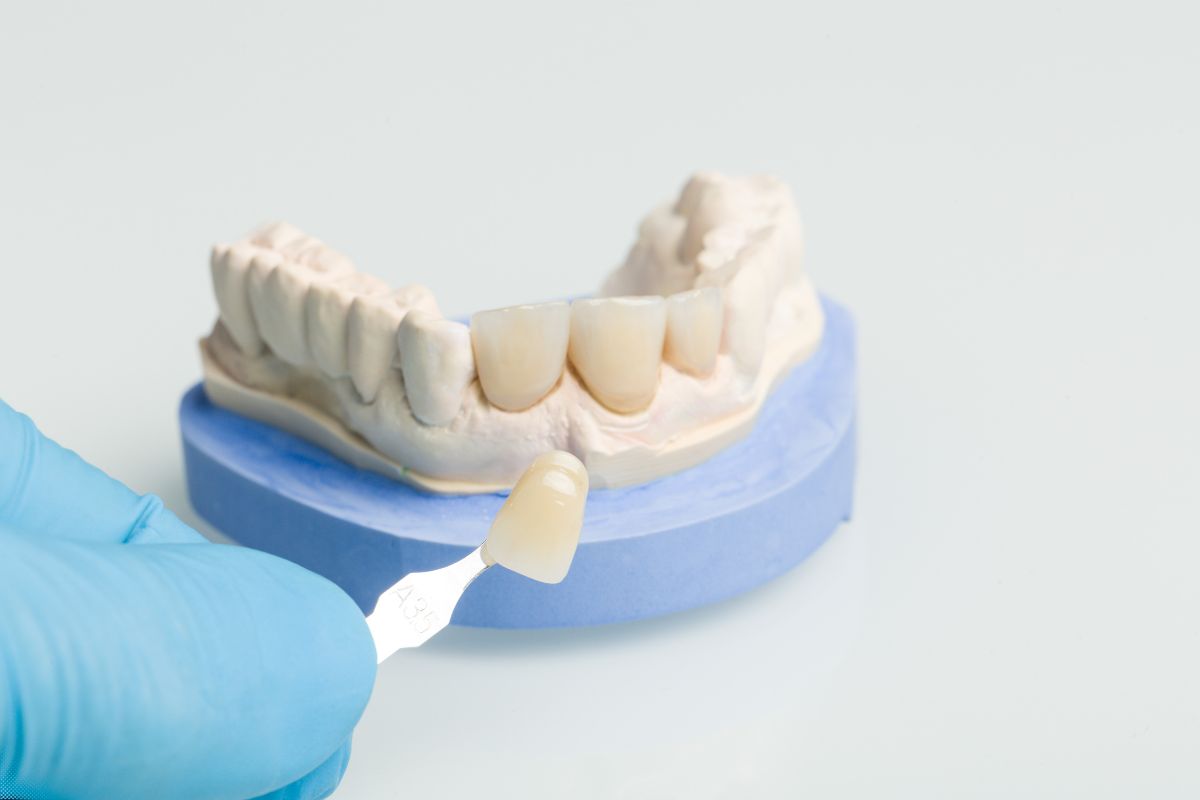

A damaged tooth causes physical discomfort, and a missing tooth can affect your ability to chew and speak normally. Because severe decay or trauma compromises the structure of a tooth, a dentist must rebuild the area. A dental cap fits directly over the affected section, protecting the remaining natural enamel from further harm. Crowns help you chew properly, and they restore the aesthetic appearance of a damaged or missing tooth.
Understanding Dental Crowns
A dental professional uses crowns to cover weakened teeth. Because they provide strong structural support, these caps prevent further deterioration. Patients receive these restorations during several common treatments, and this includes the placing of dental implants.
Here are some treatments that involve a crown:
- Root canal therapy: A cap seals the tooth after infection removal and tooth reshaping
- Dental implants: A replacement tooth covered with a crown attaches to a metal post.
- Severe decay: A large previously treated cavity requires extra surface protection.
Restoring Your Teeth
A weakened tooth makes chewing painful, and it alters your natural bite alignment. Because a custom restoration fits your unique anatomy, it distributes biting forces evenly across your jaw. You can eat your meals comfortably, and your jaw muscles avoid unnecessary strain. The new structure acts like a natural tooth.
A broken or missing tooth affects the uniform look of your smile. Dentists craft crowns from tooth-colored materials, and these include porcelain and ceramic. The laboratory matches the shade of your surrounding teeth so that the new piece blends in.
Exploring Crown Materials
Crowns are crafted from a variety of materials, each offering unique benefits to suit patients’ needs. Common materials include:
- Porcelain: Known for its natural appearance and light-reflecting properties, porcelain crowns are ideal for front teeth, where aesthetics are a priority.
- Ceramic: Similar to porcelain, ceramic crowns offer a seamless, tooth-colored finish and are highly durable.
- Metal: Metal crowns, made from alloys like gold, platinum, or base metal alloys, are extremely strong and resistant to wear, making them an excellent option for molars.
- Porcelain-fused-to-metal: These crowns combine the strength of metal with the natural appearance of porcelain, offering a balance of durability and aesthetics.
- Resin: Resin crowns are a cost-effective option, though they may not be as long-lasting or resistant to fractures as other materials.
Each material has its own advantages, and your dentist will help determine an effective option based on the crown’s location, your preferences, and your specific dental needs.
Experiencing Different Treatments
Getting a new cap requires two separate visits to the dental clinic; during the first appointment, the dentist prepares the damaged tooth carefully. They remove any decayed tissue, and they take an impression of your mouth. While the laboratory creates your permanent restoration, you wear a temporary cap. In the second visit, the dentist bonds the final piece into place.
When replacing a missing tooth with a dental implant and crown, the dentist first surgically places the titanium implant into the jawbone to serve as an artificial root. After the implant is inserted, a healing period of several months allows the bone to fuse securely around it, creating a stable foundation; once fully healed, an abutment is attached to the implant, acting as the connector for the crown. Finally, a custom-made crown is securely placed atop the abutment, restoring both functionality and aesthetics to the patient’s smile.
Learn More About Dental Crowns
A dental crown fixes damaged teeth with a custom cap that strengthens your natural bite and improves the look of your smile. The treatment uses durable materials, so you gain long-lasting results. To learn more about the benefits of dental crowns, consult a dental professional near you.
