
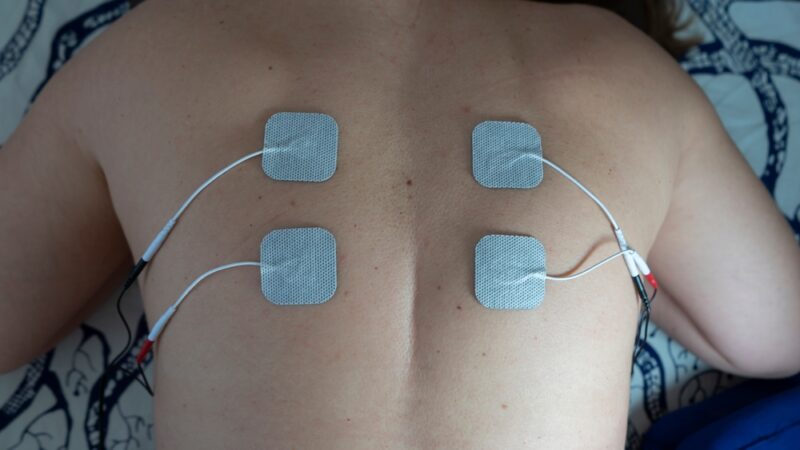

Chronic pain can disrupt daily life for many individuals facing ongoing discomfort. A spinal cord stimulator is an advanced implanted medical device that sends low levels of electricity directly into the spinal cord; it blocks pain signals before they reach the brain. Patients experiencing severe nerve damage or failed back surgeries may benefit from spinal cord stimulation. Here is more information about spinal cord stimulators and how they work:
Understanding Spinal Cord Stimulators
Many patients explore spinal cord stimulation when medications and physical therapy do not achieve the desired result. A spinal cord stimulator consists of a small, pacemaker-like battery pack and thin medical wires equipped with electrical contacts. A surgeon places the battery pack just under the skin, and the wires connect directly to the epidural space surrounding the spinal cord. The device generates gentle electrical pulses, and these continuous pulses modify the irregular nerve signals traveling up to the brain.
Relieving Chronic Nerve Pain
Pain signals normally travel up the spinal pathways to the brain, but targeted electrical impulses can intercept these unwanted messages. The stimulator delivers precise electrical currents to the affected nerves. This constant action disrupts the established pain communication pathway. By interfering with the pain cycle, the therapy prevents the brain from perceiving the severe discomfort that limits physical movement.
Patients receive a handheld remote control, and they can adjust the stimulation settings based on their fluctuating daily pain levels. You can turn the system off completely at any time. You can change the electrical intensity to match your current physical needs. Some advanced models even adjust automatically when you sit, stand, or lie down; this feature provides seamless comfort throughout the day.
Navigating the Implantation Process
The medical process to receive a stimulator involves two phases. First, patients undergo a temporary trial period so they can thoroughly test the effectiveness of the electrical therapy. A doctor temporarily inserts thin wires through the skin into the spinal space, and an external battery pack powers the temporary system for about a week. You will carefully track your pain levels and physical activities during this trial, and your medical team will evaluate the results to determine the next steps.
If the trial reduces your baseline pain by at least half, you can proceed with the permanent surgical implant. During a relatively short surgical procedure, a doctor places the small generator securely beneath the skin in your abdomen or upper buttocks. They also anchor the permanent electrodes firmly in place along the spine; you may need to rest and recover from the minor surgical incisions.
Identifying Ideal Therapy Candidates
Doctors evaluate several medical factors before recommending this advanced pain management option to their patients. Good candidates typically experience chronic, debilitating pain in the back or chest, and they have not found sufficient relief through conservative treatments like injections or oral medications. Medical providers look for patients diagnosed with certain chronic conditions that respond well to neuromodulation therapy.
Suitable medical conditions include the following:
- Failed back surgery syndrome
- Complex regional pain syndrome
- Severe nerve damage
- Phantom limb pain
- Spinal cord injuries
If an underlying issue like a severe herniated disc is fixable with traditional surgery, doctors may pursue that route before spinal cord stimulation.
Learn About Spinal Cord Stimulation
Spinal cord stimulators may be an option for managing severe nerve pain when other conservative methods do not provide sufficient relief. The implanted medical device blocks certain pain signals from reaching the brain; the two-step implantation process allows you to test the therapy before committing to a permanent surgery. To learn more about spinal cord stimulators, consult a medical provider near you.
