
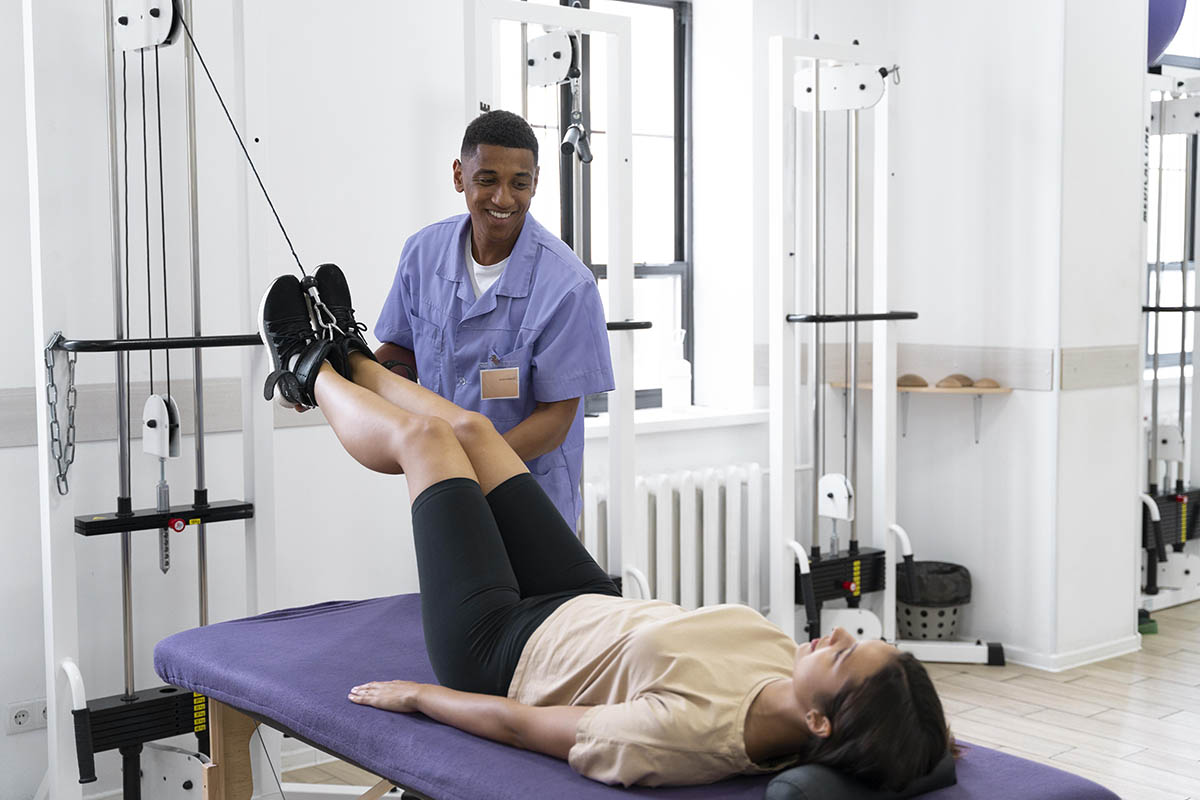

Physical therapy addresses movement, function, and pain through targeted treatment methods. Therapists create a treatment plan based on a patient’s condition and mobility goals, and sessions often combine several techniques. Knowing what these techniques involve helps you understand what to expect when you begin treatment. Here are some of the different techniques used in physical therapy sessions:
Manual Therapy
Manual therapy involves hands-on techniques applied directly to muscles, joints, and soft tissue. Therapists use their hands to manipulate areas of the body that feel restricted or stiff, and they may apply different techniques depending on the condition. Common methods include joint mobilization, soft tissue massage, and myofascial release, which improve mobility and reduce pain.
Each technique targets a particular structure, and the therapist adjusts pressure and movement based on your response during the session. By working through these areas, the therapist aims to address limited motion and tension. Treatment intensity varies from gentle, sustained stretching to more focused joint movements.
Manual therapy often serves as preparation for the active parts of a session. When tissue moves more freely, exercises and other treatments usually go more smoothly. The therapist explains each technique before applying it, so you know what to expect with every movement. Communication during sessions helps the therapist gauge your body’s responses and adjust their approach.
Therapeutic Exercises
Therapeutic exercises, which strengthen muscles and retrain movement patterns, constitute the active component of many physical therapy plans. A therapist selects movements based on your evaluation, then guides you through proper form and repetition counts. Some categories of exercise include:
- Range-of-motion exercises to move joints through their full available motion
- Strengthening exercises using body weight, resistance bands, or weights
- Stretching exercises to lengthen tight muscles and connective tissue
- Balance and coordination drills to support stability and controlled movement
Many therapists assign exercises for you to complete at home between appointments. The home program reinforces the work done during sessions and keeps your progress steady. The therapist updates the routine as your strength and mobility change over time, and following the prescribed schedule supports consistent practice. Proper form matters more than speed or the amount of resistance you use. A therapist watches your movement and corrects positioning to reduce strain on surrounding tissue. As you grow stronger, the difficulty of each exercise increases in measured steps. This gradual progression matches the demands of treatment to your current ability.
Physical Modalities
Physical modalities are treatments that apply energy, temperature, or stimulation to tissue. Therapists use these methods alongside manual therapy and exercise rather than as a standalone treatment. Heat therapy applies warmth to increase blood flow and reduce stiffness, while cold therapy uses ice to address swelling and discomfort. Laser therapy uses focused light to promote tissue repair, reduce inflammation, and alleviate pain.
Each modality has clear guidelines for duration and placement, and the therapist monitors your response throughout. The choice of modality depends on your diagnosis, the stage of healing, and how your body reacts to treatment. Some modalities suit the early phase of recovery, when swelling and pain are present. Others fit later stages, when the focus shifts to restoring function.
Schedule Physical Therapy
Physical therapy combines manual therapy, therapeutic exercises, and physical modalities into a plan built around your individual needs. A therapist evaluates your condition and adjusts the approach as treatment continues. Understanding these methods gives you a clearer picture of what each session involves, because it helps you see how each part of treatment fits together. Contact a physical therapy clinic today to schedule an appointment.
