
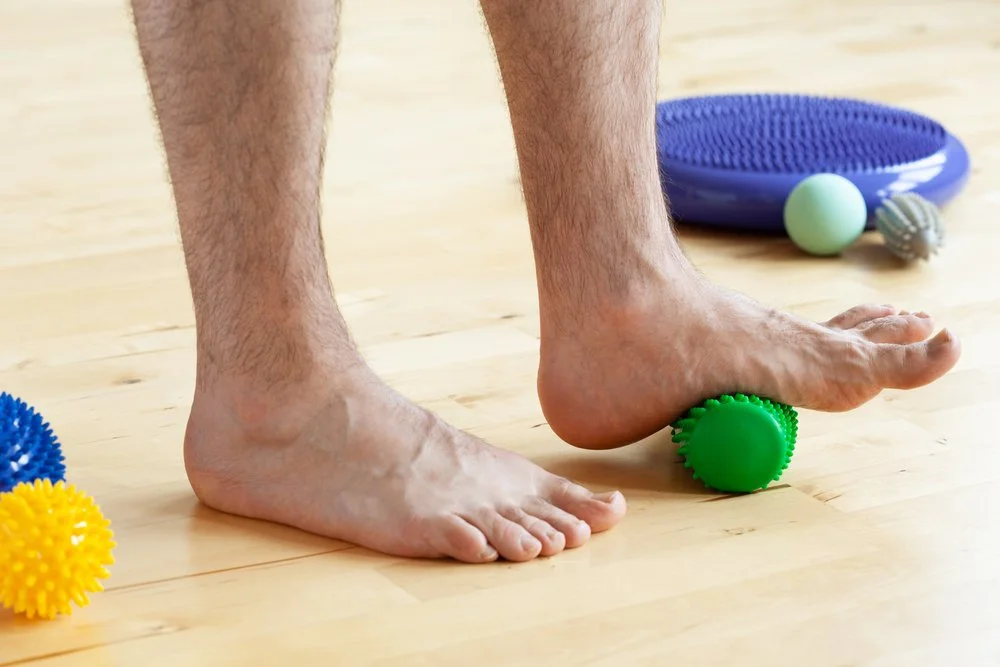

Flat feet occur when you have no visible arch on the bottom of your foot while standing. This condition usually develops in childhood, and it can worsen as you age. While flat feet are often painless, they alter the alignment of your legs. There are treatments available.
Devices and Footwear
Custom orthotics redistribute weight on your flat feet, reducing daily structural strain. These supportive inserts alter how your feet absorb impact and provide arch support. Custom orthotics are available as over-the-counter options or as custom devices made to fit your foot. Braces provide additional stability to your ankles, helping prevent excessive pronation during forward movement. Some braces are lightweight and comfortable enough to wear during most daily activities, including walking and working. Proper footwear is a key component of an active lifestyle, so you select shoes with robust support. Choose shoes with cushioned soles, firm heel counters, and wide toe boxes for support. Adults manage discomfort by combining quality footwear with prescribed orthotic inserts. Treating your condition begins with building a stable foundation.
Exercises and Therapy
Physical therapy can strengthen the muscles in your feet, ankles, and lower legs. A physical therapist guides you through targeted movements, and these structured exercises may improve your overall foot mechanics. Regular exercise builds supportive muscle tissue, which can help stabilize your joints during daily activities. Toe curls, towel scrunches, and heel raises target the muscles that support your arches. Tendon injuries and arthritis can cause complications. Stretching your Achilles tendon and calf muscles can improve flexibility and reduce strain on your arches. Integrate simple stretching routines into your day, and this regular practice maintains tendon flexibility. Strengthening your lower body reduces the impact of flat feet, so regular movement is a priority. Professional guidance helps you perform these exercises correctly, which prevents accidental strain. If you follow a home program, start with low-impact exercises, and observe how your feet respond before increasing intensity.
Adjustments and Interventions
Weight gain can increase pressure on your arches, so maintaining a healthy weight helps minimize structural stress. This involves choosing nutrient-dense foods. Engage in regular low-impact exercise, such as walking or swimming. Diabetes and advanced age contribute to foot issues. If you have diabetes, managing blood sugar supports overall foot health, and regular foot checks help prevent complications. Medications reduce tissue inflammation, and they help manage localized pain during occasional flare-ups. Over-the-counter anti-inflammatory medications sometimes provide relief, but consult your healthcare provider first.
Surgery is an option if conservative treatments fail or for severe bone deformities. Surgical approaches vary, from tendon repair to bone realignment in the foot, and recovery will include following a focused rehabilitation plan. Physicians review the pros and cons of surgery, and they discuss these details before a decision is made. Monitoring daily symptoms helps with early detection, and early intervention prevents more health issues. Noticing new symptoms, such as swelling, redness, or persistent pain, supports prompt care. Taking a comprehensive approach addresses the specific causes of your foot strain.
Support Your Flat Feet Today
Managing flat feet requires consistent care, and you can implement these supportive strategies immediately. Schedule a thorough evaluation with a foot specialist to aid proper treatment planning. Your doctor can prescribe custom orthotics or recommend a specialized physical therapy program. Address your discomfort before it limits your activities. Take definitive action to protect your structural alignment, and prioritize your foot health for lasting comfort. Establish a daily routine that supports your physical foundation.
