

Spider veins are small, visible blood vessels that form near the skin’s surface. They commonly show up on the legs and face and may look like thin red, blue, or purple lines. Several treatment paths are available for spider veins. These include lifestyle changes that support daily circulation habits and more advanced options such as sclerotherapy and laser therapy. Each approach serves a different purpose; the right choice often depends on the location, size, and pattern of the veins. Here’s more information about this condition and its treatment options:
Understanding Spider Veins
Spider veins are usually smaller than varicose veins, and they tend to form in branching or web-like patterns. They may develop over time and become more noticeable with age, long periods of standing or sitting, sun exposure, or family history. While they are common, visible veins should be evaluated by a qualified provider before treatment begins.
A professional assessment helps identify the type of vein being treated and whether more than one method makes sense. It can also determine whether other conditions, such as chronic vein insufficiency, are present. Professionals offer a structured approach, and they give you clear guidance on expected steps, treatment timing, and aftercare.
Making Lifestyle Changes
Lifestyle changes do not remove spider veins, but they may support overall vein care and help limit added pressure on the legs. These steps are often part of a broader management plan, especially when veins appear on the lower body. Habits that may support daily vein care include:
- Moving regularly during long periods of sitting or standing
- Elevating the legs at scheduled times when appropriate
- Wearing compression garments if a provider recommends them
- Maintaining a routine that supports a healthy body weight
- Choosing a low-impact activity such as walking
Exploring Sclerotherapy
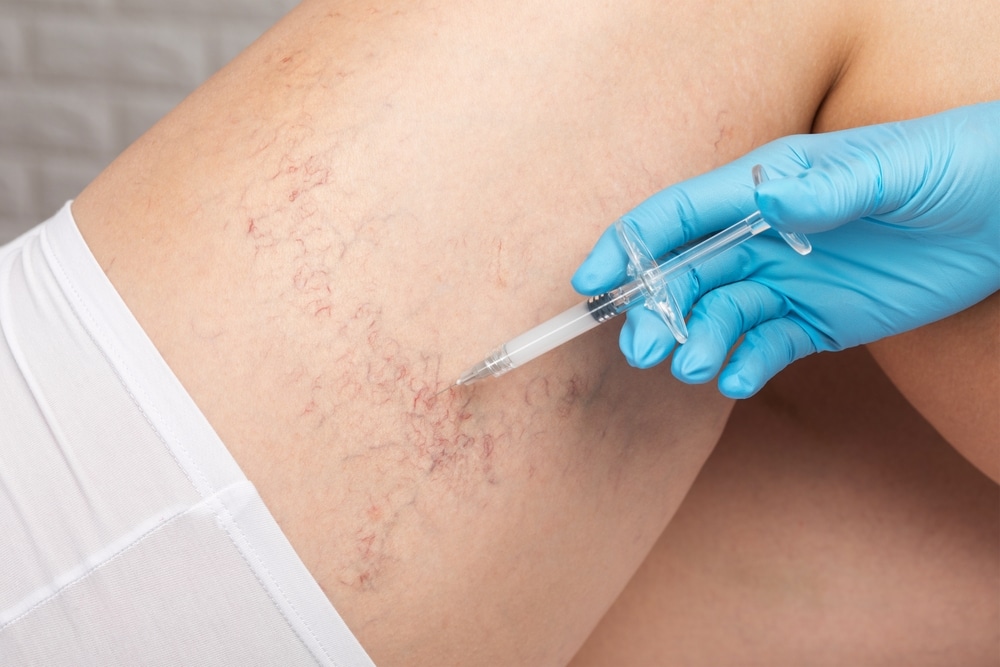
Sclerotherapy is a widely used treatment for spider veins, including those found on the legs. During the procedure, a provider injects a solution into the affected vein; this helps treat the visible vessel so that it gradually fades from view over time. The exact process depends on the size and location of the veins being addressed. This treatment option is ideal for small to medium spider veins that are easy to access with injection treatment. A provider may also recommend more than one session based on how many veins are present and how they respond. Treatment plans vary, so ask about the number of visits, possible aftercare steps, and how long visible changes take. Sclerotherapy is usually performed in an office setting. Because it is a procedure-based treatment, proper evaluation and follow-up are fundamental.
Reviewing Laser Therapy
Laser therapy is another common option for spider veins. This method uses focused light energy to target visible vessels near the skin’s surface. It is often used for smaller veins, and it may be especially useful in areas where injection treatment is less practical, such as the face.
The treatment process differs from sclerotherapy, but the goal is similar: reducing the appearance of visible spider veins. A provider may evaluate the skin area, vein type, and treatment setting before recommending laser therapy. In some cases, laser treatment is used alone; in others, it is part of a broader plan that includes multiple approaches. Because skin type, vein size, and treatment area all play a role, professional guidance is key. A provider can determine whether laser therapy is appropriate for your situation and outline the expected treatment schedule.
Compare Your Treatment Options
Lifestyle changes, sclerotherapy, and laser therapy each play a distinct role in spider vein care. Lifestyle habits support day-to-day management, while sclerotherapy is often used for a range of leg veins. Laser therapy may be selected for smaller surface veins or for areas where injections are less suitable. If you’re contemplating treatment, schedule a consultation with a vascular specialist to create a plan that fits your needs.
