
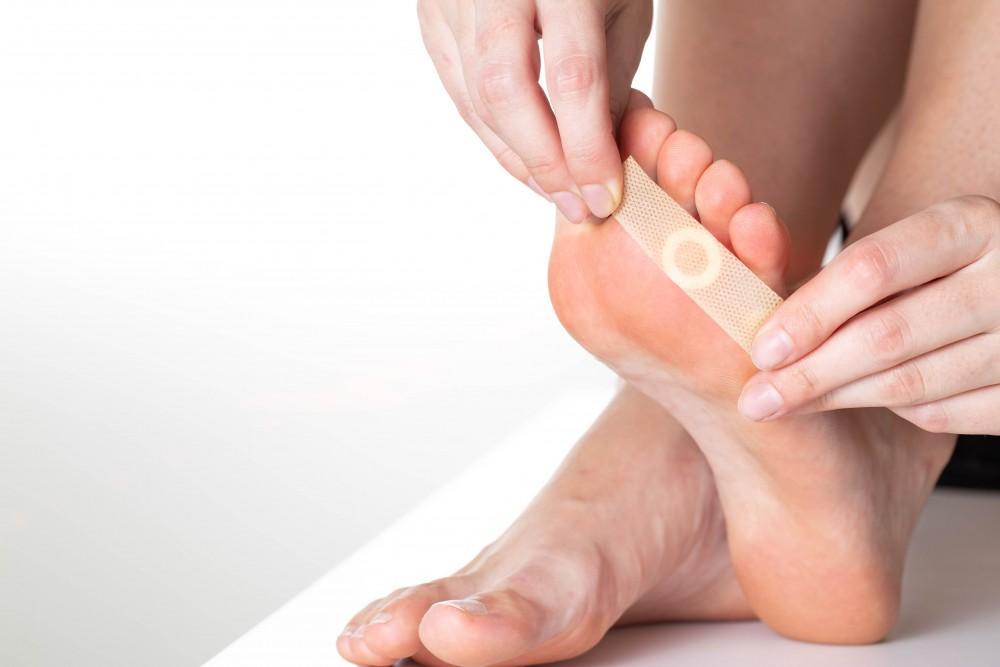

Plantar warts are growths that form on the soles of your feet, and they typically form in areas that bear weight. These develop after infection with human papillomavirus (HPV), which enters the skin through tiny cuts or abrasions. When you walk, the outward pressure pushes the wart deeper, making it feel more prominent and sometimes uncomfortable. Here are some myths about plantar warts and treatments for them:
Myth: Warts Have Roots
A widespread misconception is that plantar warts have long, stubborn roots that reach into the foot. This belief comes from seeing the small black dots inside the wart, which leads some to picture dark root-like structures. In truth, these black dots are simply clotted blood vessels that provide nutrients to the growth, not any roots.
While these growths may appear deep, the virus does not send out roots, and no root structure exists beneath the wart. Doctors understand the true nature of warts and base treatments on real anatomy. By focusing on removing layers of infected skin, rather than chasing imaginary roots, they offer practical and effective care for those struggling with plantar warts.
Myth: Duct Tape Destroys Them
People may recommend covering plantar warts with duct tape, hoping it will suffocate the wart. You might leave the tape on for several days, only to notice that the wart remains or returns after removal. While the tape does cut off air to the skin, it mainly just turns the surface white and soft.
Duct tape is not a reliable way to treat warts. Some dead skin may come off when you pull off the tape, but deeper viral tissue is left behind. Without addressing the underlying infection, the wart typically remains and may continue to grow.
Using duct tape can be unhelpful if you expect quick results. You might even see some mild changes on the surface, but the core issue persists. Since the technique does not target the virus itself, it fails to provide long-term relief for most people choosing this remedy.
Myth: Toads Cause Warts
For some people, others may say that touching toads causes warts to form. This myth is persistent but completely false, as toads have nothing to do with the human papillomavirus. You can touch a toad and not develop any viral skin infection from it, and in addition:
- Humans only contract HPV from other humans.
- Plantar warts spread in wet, shared spaces like showers.
Warts appear bumpy like a toad’s skin, which might be why the myth took hold. The reality is that warts only come from HPV, which spreads through direct human contact or contaminated surfaces.
Myth: OTC Topicals Work Well
Over-the-counter (OTC) treatments typically contain salicylic acid, which helps shed layers of skin from the wart. These products can help break down the surface, but the medicine struggles to penetrate all the way through the thicker foot skin. Many people give up treatment before it’s finished because progress feels slow. Since OTC products don’t fully reach the viral tissue below, plantar warts frequently remain after weeks of application.
Get Treated for Plantar Warts
While home remedies are easy to try, professional evaluation provides clarity and guidance. Visiting a podiatrist helps you understand your unique situation and review options that fit your needs. If you’re struggling with pain or stubborn lesions, take the next step and schedule a consultation to discuss your treatment path. Warts require care, and support is available if you reach out.
