
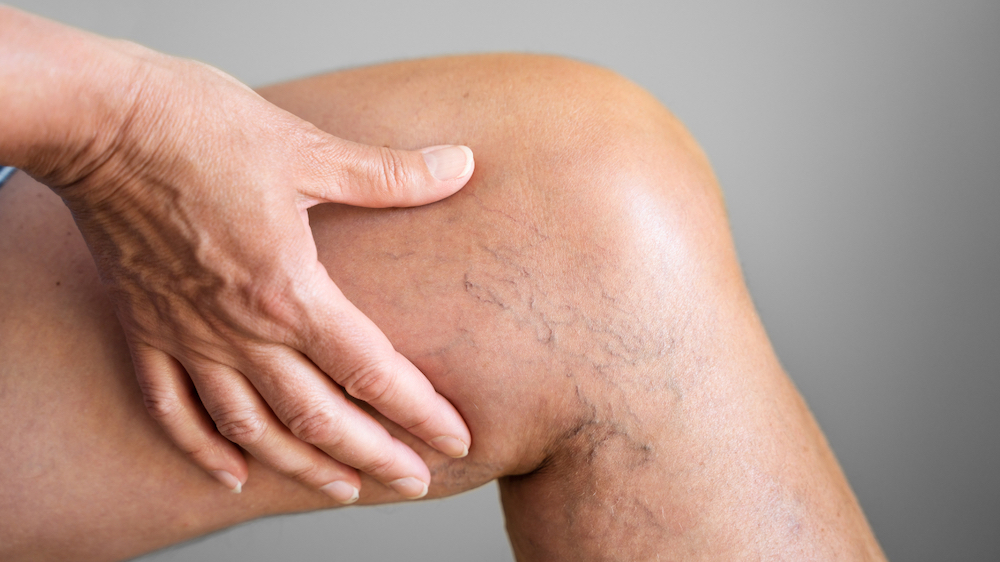

Varicose veins are enlarged or twisted veins that cause discomfort, swelling, heaviness, and visible changes in the legs. For caregivers, understanding this condition can help with daily support, symptom monitoring, and knowing when professional care may be needed. Here is more information on how caregivers can provide assistance for managing varicose veins:
Managing Symptoms and Daily Challenges
Patients with varicose veins experience physical discomfort. They often complain about aching pain, and their legs may feel incredibly heavy. When blood pools in the lower legs, the resulting swelling significantly impairs mobility. Skin discoloration is another common symptom; the skin around the ankles may change color, indicating poor circulation. Caregivers must watch for these visual cues, or the patient may develop open ulcers.
Daily activities become difficult for individuals with severe varicosities; walking requires extra effort when the legs ache. Caregivers must adapt daily routines, and they should schedule frequent rest periods to alleviate pressure on the veins. Muscle cramps frequently disturb the patient’s sleep and leave the legs feeling sore the next morning. If the patient complains about disrupted rest, caregivers should document these occurrences in a daily health log.
Identifying Health Risks
Caregivers should understand the origins of varicose veins. Women face a higher risk of developing this condition, and hormonal changes often accelerate the deterioration of the valves. If a patient has a family history of vascular disease, their risk profile increases significantly. Several variables increase the likelihood of developing vein-related issues; caregivers must monitor them closely. Here are some of them:
- Age: Vein valves weaken with age.
- Weight: Extra pounds place more strain on the leg veins.
- Activity levels: A sedentary lifestyle reduces healthy blood circulation.
- Medical history: Previous vascular problems raise the risk of chronic venous insufficiency.
These risk factors require continuous observation. Caregivers should track and discuss them with a vascular specialist.
Exploring Strategies for Caregiver Support
Caregivers can implement several helpful practices to support varicosities at home. They should encourage light exercise and help the patient elevate their legs above heart level. When patients rest their legs on soft pillows, gravity pulls the blood back toward the heart. Compression stockings provide clinical relief for varicose veins; these specialized garments gently squeeze the legs, which prevents blood from pooling in the lower extremities. Caregivers should help the patient put them on every morning and make sure they fit properly.
Skin care is a fundamental aspect of symptom management. Caregivers must wash the patient’s legs daily, and they should apply a gentle moisturizer. Patients can avoid serious infections when their skin remains clean and hydrated.
Planning Treatment and Follow-Up Care
Medical interventions offer lasting relief for affected veins. A specialist will examine the patient’s legs, and they will recommend a specific outpatient procedure. While non-invasive methods help manage symptoms of varicose veins, clinical treatments resolve the underlying valve dysfunction. Here are some of the treatment options specialists often recommend:
- Venaseal: A medical adhesive closes the defective veins.
- Endovenous laser therapy: Laser energy seals abnormal leg veins.
- Radiofrequency vein ablation: Heat creates scar tissue that blocks the vein.
- Sclerotherapy: A foam solution irritates the vein walls, causing them to close.
- Phlebectomy: A doctor removes sections of a vein through tiny skin punctures.
All these minimally invasive treatments take place in a clinical office setting. Caregivers must follow the doctor’s specific aftercare instructions.
Book Your Varicose Veins Appointment
Addressing varicose veins promptly can prevent potential complications, such as blood clots or ulcers, that may arise from untreated vein conditions. Caregivers play a key role in managing symptoms, and they provide necessary support during the recovery process. Contact a qualified vascular specialist in your area to book your appointment and explore treatment options for varicose veins today.
