
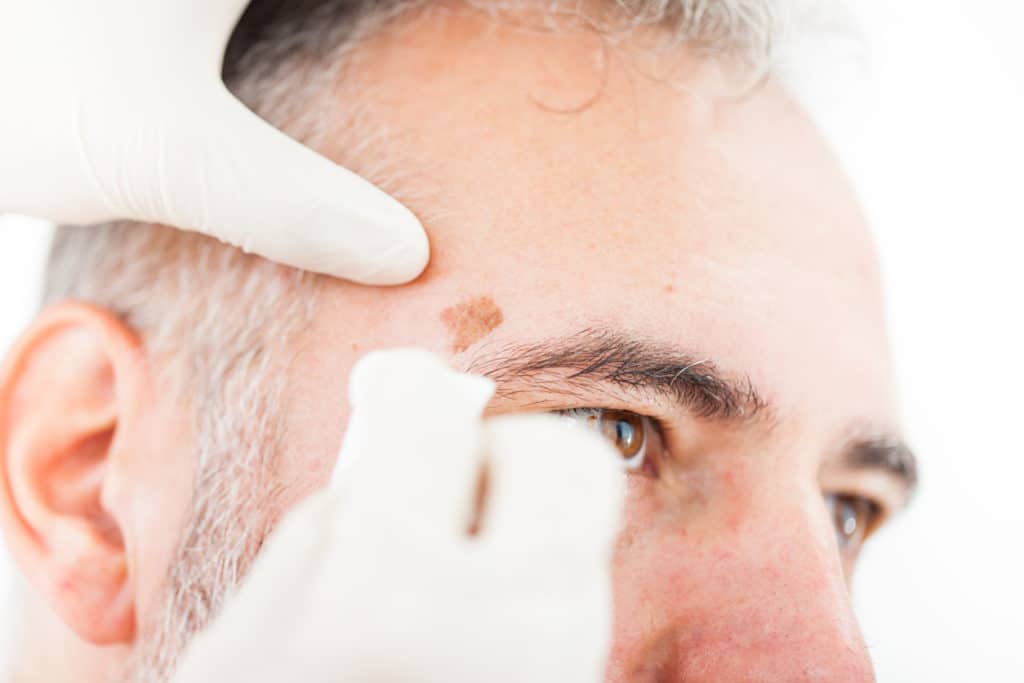

Detecting skin cancer early gives patients the highest chance of successful treatment. Over the years, medical professionals have developed sophisticated methods to remove cancerous tissues while preserving as much healthy skin as possible. One of the most effective and refined treatments available today is Mohs micrographic surgery, which involves precise techniques that offer high cure rates for various types of skin malignancies. By understanding the fundamentals of this specialized surgery, patients can approach their diagnosis and treatment plan with clarity.
What Is Skin Cancer?
Skin cancer develops when cellular damage causes skin cells to multiply rapidly. This condition typically originates in the epidermis, which is the outermost layer of the skin. Several risk factors contribute to its development, including prolonged exposure to ultraviolet rays, genetic predisposition, and having fair skin or light-colored eyes.
Medical professionals categorize skin cancer into a few primary types. Basal cell carcinoma represents the most common form, and frequently looks like a persistent blemish that bleeds easily. While it rarely spreads to other organs, it is locally destructive and requires prompt removal. Squamous cell carcinoma serves as the second most common variant and behaves more aggressively. If left untreated, it has the potential to spread throughout the body. Melanoma is another aggressive form that often resembles an irregular mole. This type can spread through the lymphatic system and bloodstream, making early intervention a top priority for favorable outcomes.
What Is Mohs Surgery?
Mohs surgery is a highly specialized procedure, designed to remove malignant skin cancers. Providers recommend this approach because it yields exceptionally high cure rates while retaining maximum amounts of healthy surrounding tissue. During the procedure, a fellowship-trained surgeon removes the cancerous tissue layer by layer.
After excising a layer of tissue, the surgeon meticulously maps the tumor. The medical team then processes this tissue into microscopic slides that the surgeon examines under a microscope to evaluate the tissue margins. If cancer cells remain visible on the edges, the surgeon removes another layer of tissue. This detailed process repeats until microscopic analysis confirms that all margins are completely clear of tumors.
What Should You Expect?
Preparation for this procedure involves a few specific steps. Medical teams typically ask patients to stop smoking and pause the use of blood-thinning medications roughly two weeks before the appointment. Patients should also avoid alcohol for at least 24 hours prior to surgery, helping to maintain stable blood pressure levels.
Once the surgeon confirms the complete removal of the cancer, they will address the resulting wound. Some Mohs surgeons also possess expertise in reconstructive surgery. They can perform specialized reconstruction on the same day to restore natural function and achieve an optimal cosmetic result.
The recovery period generally spans a few weeks. Patients usually experience mild pain and bruising. To promote proper healing, individuals must rest and avoid strenuous exercise for a minimum of 48 hours. The surgical team can provide detailed post-operative instructions and guide you safely through the healing process.
Seek Professional Dermatology Care
Completing your treatment marks a significant milestone, but ongoing dermatological care remains a necessary part of overall health. Patients who have had skin cancer face a higher risk of developing new malignant spots in the future. Scheduling regular, comprehensive head-to-toe skin screenings with a dermatologist allows for the early detection of any new abnormalities. If you notice any suspicious changes in your skin, contact a specialized dermatology center to receive an expert evaluation. Working with a dedicated medical team gives you access to advanced diagnostic tools and promotes long-term skin health.
