
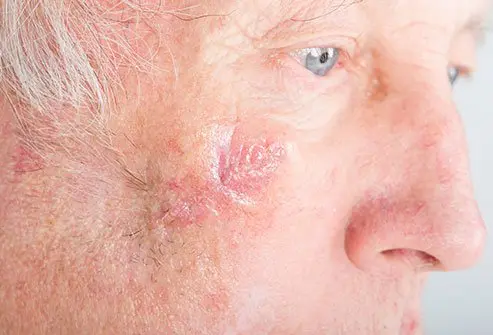

Follow-up care after Mohs skin cancer surgery supports proper wound healing, catches complications early, and lowers the risk of cancer recurrence. Patients who attend follow-up appointments may recover more smoothly, and regular check-ins with a dermatologist enable ongoing management. When follow-up care is maintained consistently, long-term skin health outcomes may improve. Here is more information on follow-up care after Mohs surgery:
What Is Mohs Skin Cancer Surgery?
Mohs skin cancer surgery is a specialized technique used to treat certain types of skin cancer, particularly basal cell and squamous cell carcinomas. A surgeon removes a thin layer of tissue containing the visible cancer, and they then examine the tissue under a microscope on-site to detect any remaining cancer cells. If cancer cells remain after the initial removal, the surgeon removes another layer and analyzes it until the margins are confirmed clear. This precision supports both recovery and long-term results.
What Is Recovery Like?
Because recovery depends on the wound’s size and location, healing timelines vary from patient to patient. Smaller wounds may heal within a couple of weeks, while larger areas or those requiring reconstruction can take longer. Patients benefit from planning accordingly. Swelling, bruising, and mild discomfort are common in the first few days.
Before leaving the office, patients receive wound care instructions. These instructions may outline how to clean the area and change dressings, which supports proper healing. Some wounds close on their own, but others require stitches or a skin graft, and a physician will determine the appropriate approach based on the wound’s characteristics. Activity restrictions, such as avoiding heavy lifting or strenuous exercise, often apply during the initial healing phase.
What Does Follow-up Care Involve?
Follow-up care after Mohs surgery generally includes a wound check. Subsequent visits may be scheduled periodically over the following months, during which a dermatologist examines the healing progress and addresses any concerns. Follow-up visits also cover:
- Discussion of scar care options
- Full-body skin exams to check for new or suspicious lesions
- Guidance on sun protection and skincare adjusted to the healing area
These appointments give patients a chance to ask questions about long-term skin health. Since people who have had one skin cancer may face a higher risk of developing another, ongoing skin checks become part of routine care.
How Is Follow-up Care Beneficial?
Attending follow-up appointments supports several outcomes that matter long after the surgical wound closes. Early detection of complications, such as infection or poor wound healing, enables faster treatment; this helps reduce the likelihood of lasting damage. Since the skin’s response to surgery varies by individual, dermatologists can adjust scar management techniques based on how the tissue heals over time.
Regular skin exams during follow-up visits help catch new cancers early; patients with a history of skin cancer may face a higher risk of developing new lesions. Consistent monitoring is standard post-surgical care. Because new lesions can develop in areas unrelated to the original surgical site, full-body skin checks provide broader diagnostic value. Ongoing follow-up builds a clearer understanding of how an individual patient’s skin behaves, which supports more personalized care recommendations.
Seek Follow-up Care Now
Mohs surgery removes cancer with precision, but the healing process and long-term skin health depend on what happens afterward. Recovery involves careful wound care and attention to changes in the skin. Follow-up appointments give dermatologists the chance to monitor healing, manage scarring, and screen for new skin cancers before they progress. If you are looking to learn more about follow-up care, reach out to a dermatologist.
