
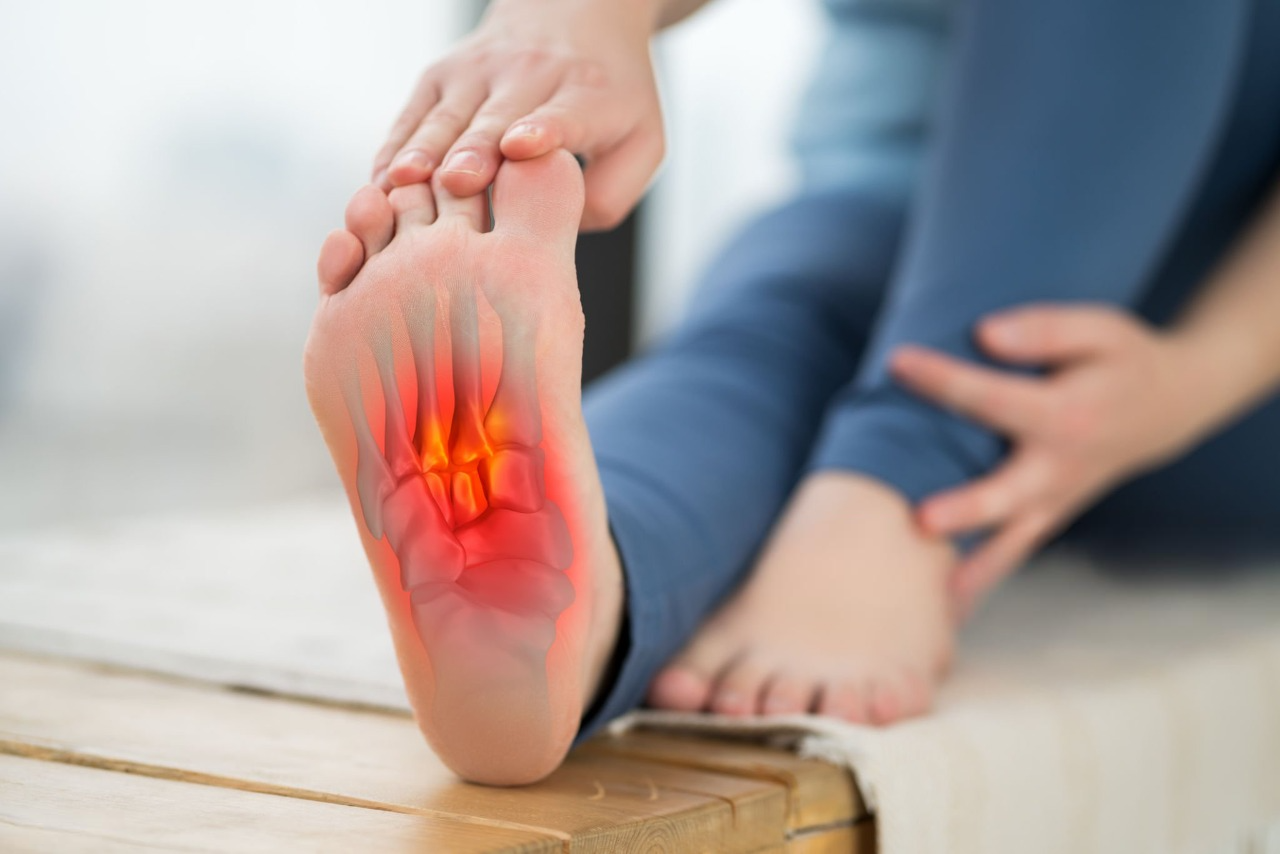

Plantar fasciitis affects the thick band of tissue along the bottom of your foot. That band connects your heel to your toes, and it absorbs stress with every step. When it becomes inflamed, you often feel a sharp pain near the heel, especially during your first steps each morning. Several home remedies address this discomfort, and this guide walks you through practical options you might try at home.
Gentle Tennis Ball Rolls
A tennis ball delivers a targeted massage to the arch. Sit in a chair, place the ball under your foot, and roll it slowly from heel to toes. Apply light pressure only. This movement works the tissue, and it releases some of the tension built up during the day.
Timing affects your results. Roll the ball for a few minutes in the evening, when your foot feels tired and tight. Since the massage warms the tissue, it complements your stretching routine, and it eases plantar fasciitis pain. Stop if the pressure feels sharp.
Targeted Stretches
Stretching loosens the plantar fascia and the surrounding muscles. Tight calves pull on your heel, so easing that tension typically reduces strain on the fascia. To do this, try a simple wall stretch. Stand facing a wall, place one foot back, and press your heel toward the floor.
Toe stretches target the fascia directly. Sit down, cross one ankle over your knee, and gently pull your toes toward your shin. Hold this position for about 20 seconds, and repeat it a few times daily. For some people, this stretch reaches the tissue that tightens overnight.
Morning stiffness responds well to a quick routine. Before you stand, flex your foot several times while still in bed. Since the fascia contracts during sleep, a gentle warm-up loosens it, and this eases those painful first steps. Consistency matters more than intensity here.
Cold Therapy
Cold reduces inflammation in the affected tissue. Wrap ice in a thin towel, and apply it to your heel for 15 minutes; repeat this two or three times a day. A frozen water bottle offers another method. Roll your foot over the bottle while seated, and let the cold reach the arch. This approach combines a light massage with cooling, and it targets the sore area directly. Keep the pressure gentle throughout.
Adjusted Footwear
Your shoes influence how much stress reaches the plantar fascia. Supportive footwear cushions your steps, and it limits the strain on your heel. Worn-out shoes lose their structure over time. Look for these features when you choose a pair:
- Firm arch support that matches your foot shape
- Cushioned heel to absorb impact
- Roomy toe box for natural movement
- Sturdy sole that resists twisting
Replace shoes once the padding flattens. Avoid walking barefoot on hard floors, since bare feet remove all support. A well-fitted insert adds cushioning, and it helps distribute pressure across your foot. Small adjustments here shape your daily comfort.
Get Treated for Plantar Fasciitis
Home remedies address mild plantar fasciitis, but persistent pain calls for professional care. Track your symptoms over a few weeks, and if the heel pain continues or worsens, a provider evaluates the cause and outlines next steps. Schedule a visit with a foot specialist today, and describe your symptoms in detail. Early evaluation guides your recovery, and it points you toward the right treatment for your situation.
