
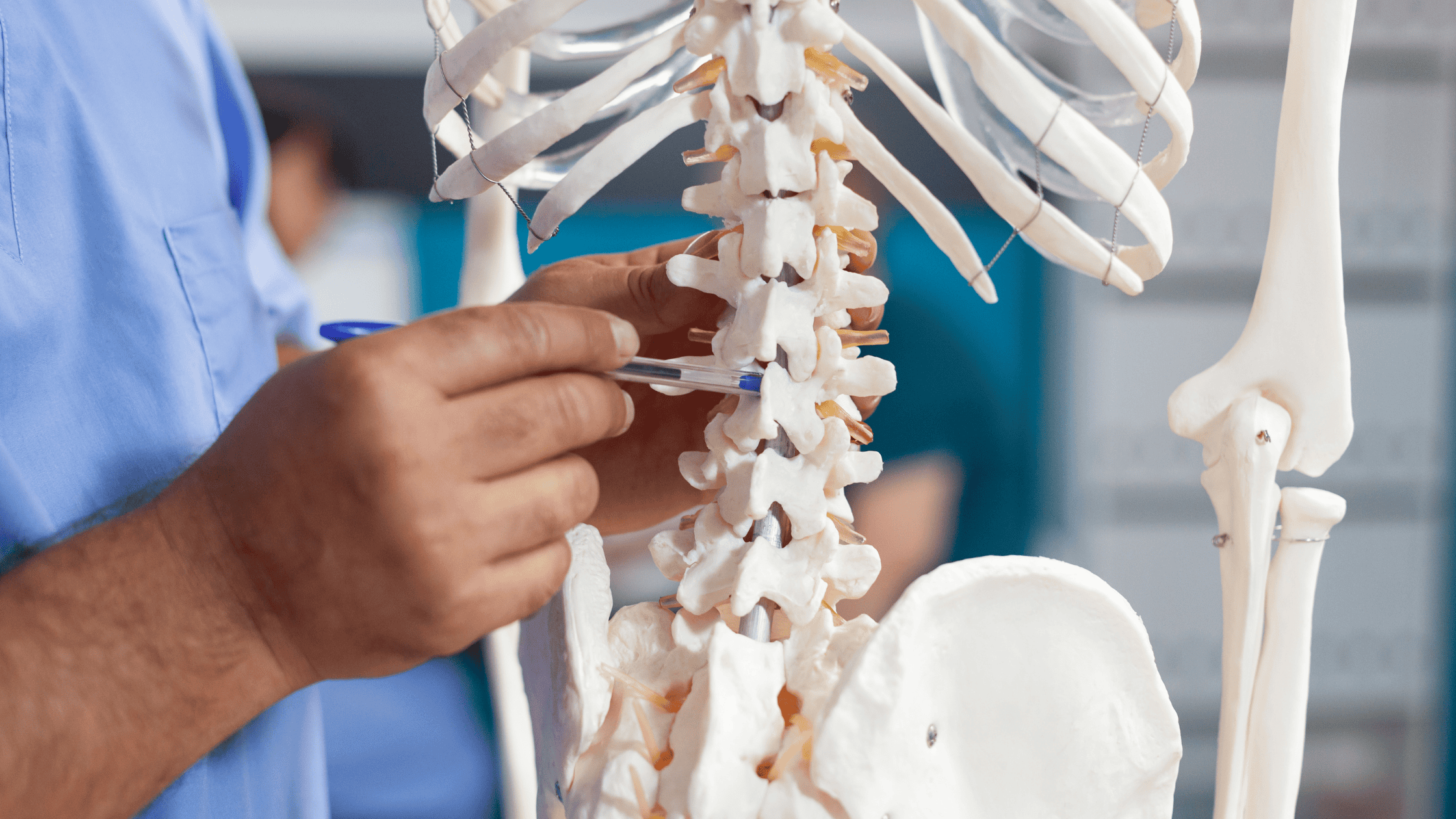

Spinal compression fractures cause persistent discomfort, and they may limit movement. Kyphoplasty offers a minimally invasive way to restore quality of life. This procedure targets fractured vertebrae, stabilizing the spine and addressing the source of pain directly, which makes it a viable option for those who have not found relief through conservative treatments. Here is more information on this procedure:
What Is Kyphoplasty?
Kyphoplasty is a minimally invasive procedure used to treat vertebral compression fractures, which occur when a spinal bone collapses due to osteoporosis, injury, or tumors. A surgeon inserts a small balloon into the fractured vertebra. The surgeon inflates the balloon to create space, and they fill the space with bone cement that hardens quickly to stabilize the fracture. The procedure is typically performed under local or general anesthesia, and patients may go home the same day.
Who Does It Help?
Kyphoplasty helps patients who have painful vertebral compression fractures that have not responded to conservative treatments. These treatments include:
- Rest and pain medication
- Bracing and physical therapy
- Other non-surgical interventions
When these methods fail to relieve symptoms after several weeks, a doctor may recommend kyphoplasty as the next step. Before proceeding, candidates typically undergo imaging tests to confirm that the fracture is recent and suitable for treatment. Older, fully healed fractures may not respond to kyphoplasty, so timing is a key factor in determining candidacy. Imaging results guide the physician’s decision, and they make sure the procedure is used only when it is likely to be effective.
How Is Mobility Restored?
Kyphoplasty stabilizes the fractured vertebra and can restore some of its original height, which is the primary mechanism by which mobility improves. When a vertebra collapses, the spine may curve forward. This creates a hunched posture that limits movement, and the balloon inflation step addresses this by lifting the collapsed bone while the cement holds it in the corrected position. As a result, the spine regains a more natural alignment.
With the fracture stabilized, patients may find it easier to stand, walk, and complete daily activities. Some individuals resume light movement within a couple of days after the procedure, and physical therapy may follow to rebuild strength and flexibility. Improved posture reduces strain on surrounding muscles. This supports steadier movement over time, as the spine no longer compensates for instability caused by the fracture.
How Is Pain Reduced?
When cement hardens within the fracture site, it stabilizes the bone and eliminates the small movements that continuously irritate surrounding nerves. An untreated compression fracture shifts slightly with each motion, triggering persistent pain signals. Once the cement sets, it removes that instability, and patients may report noticeable pain relief within days.
Kyphoplasty can significantly reduce pain scores in patients with vertebral compression fractures, which supports its use as an effective intervention. Less pain can reduce reliance on pain medication, and this lowers the risk of side effects. As discomfort decreases, patients move more freely. This further supports recovery and overall function.
Learn More From a Doctor
Kyphoplasty is a minimally invasive procedure that stabilizes vertebral compression fractures, restores spinal alignment, and reduces pain. It helps patients whose fractures have not improved with conservative treatments, particularly older adults with osteoporosis. By stabilizing the fracture, the procedure supports better mobility and lasting pain relief. If you are managing pain from a spinal fracture, speak with a doctor to learn whether kyphoplasty fits your situation. A medical evaluation can clarify your options, and it will guide your recovery.
