
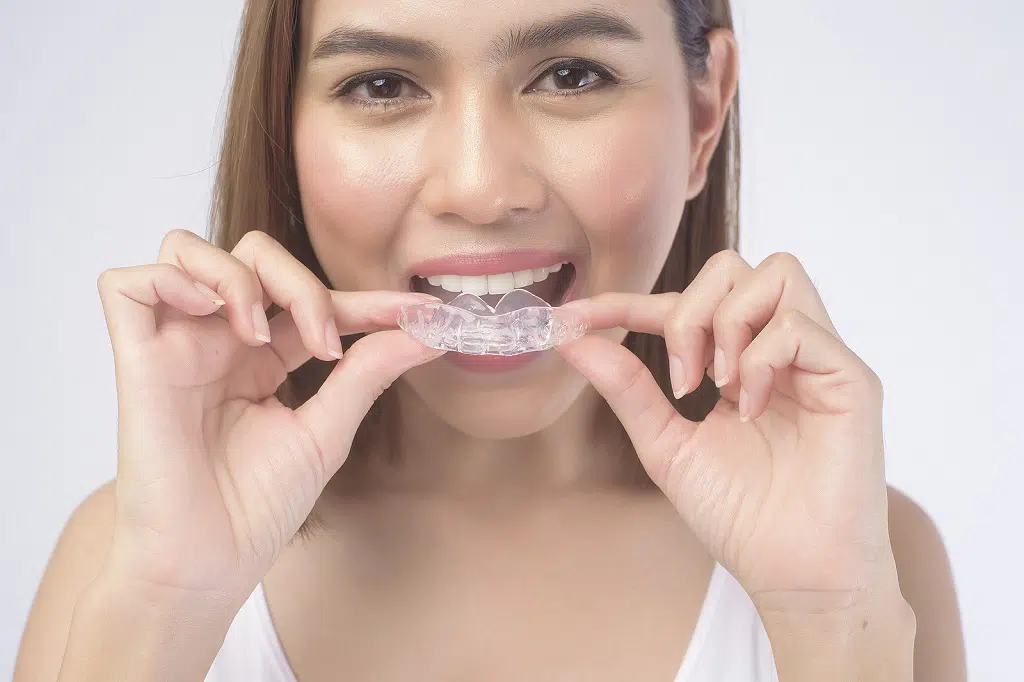

There comes a point when you notice your smile isn’t quite the same as it used to be.
Maybe one front tooth has shifted. Perhaps cleaning between crowded teeth has become more difficult. For some people, it’s not about appearance at all. They simply want their teeth to feel more comfortable when eating or speaking.
That’s where improving tooth alignment becomes worth thinking about. It isn’t something reserved for teenagers anymore. More adults are choosing to improve their smiles because the benefits often go well beyond aesthetics.
Life rarely follows the perfect timeline. Some people never had orthodontic treatment growing up, while others completed treatment years ago and noticed their teeth gradually shifting back. If you’re considering your options, speaking with a baulkham hills dentist can help you understand whether improving tooth alignment would benefit your oral health as well as your smile. An early assessment often provides more clarity than people expect.
A Straight Smile Does More Than Look Good
When teeth sit in better positions, everyday care usually becomes easier.
Plaque has fewer places to build up, floss can reach tighter spaces more effectively and brushing often feels less frustrating.
Better alignment may also help reduce uneven pressure across the teeth, which can minimise unnecessary wear over time.
Some of the most common benefits include:
- Easier brushing and flossing
- Better gum health
- Reduced uneven tooth wear
- Improved bite function
- Increased confidence when smiling
Every smile is different, so the benefits vary from person to person.
Why Adults Are Choosing Treatment Later in Life
Life rarely follows the perfect timeline.
Some people never had orthodontic treatment growing up. Others completed treatment years ago but noticed gradual movement after losing a retainer or simply through natural ageing.
Today, adults are often in a better position to invest in their oral health than they were years earlier.
Common reasons include:
- Preparing for a major life event.
- Improving long term dental health.
- Correcting teeth that have shifted over time.
- Addressing bite discomfort.
- Feeling more confident in professional or social settings.
None of these reasons are superficial. They’re usually connected to comfort, health or personal confidence.
Small Alignment Issues Can Lead to Bigger Challenges
Crowded or uneven teeth don’t always cause immediate problems.
Over time, though, they can make daily cleaning harder. Food may become trapped more easily and some teeth may experience greater biting pressure than others.
Here’s how minor alignment concerns can affect everyday oral health.
| Alignment Issue | Possible Long Term Impact |
| Crowded teeth | Harder to clean thoroughly |
| Bite imbalance | Uneven tooth wear |
| Gaps between teeth | Food trapping and plaque build-up |
| Tooth rotation | Difficult brushing and flossing |
| Overlapping teeth | Increased risk of gum irritation |
That doesn’t mean every alignment issue requires treatment. It simply means they’re worth having assessed.
Modern Treatment Offers More Choice
Orthodontic care has changed considerably over the years. People now have several treatment options depending on their goals, lifestyle and dental needs. Some cases are relatively straightforward, while others need more comprehensive planning.
This is where a personalised assessment becomes valuable.
If you’re considering treatment, visiting a baulkham hills dentist can help you understand what options are appropriate for your smile. Rather than recommending the same approach for everyone, an experienced dental team can explain the benefits, expected timeframes and whether treatment is likely to improve both appearance and function.
Healthy Habits Help Maintain the Results
Improving tooth alignment is only part of the journey.
Maintaining the result usually depends on consistent oral care and following your dentist’s advice.
A few habits that make a difference include:
- Keeping regular dental check-ups.
- Wearing retainers if they’re recommended.
- Brushing twice a day with fluoride toothpaste.
- Cleaning between your teeth every day.
- Reporting any noticeable tooth movement early.Small habits often protect the investment you’ve made in your smile.
Is Age Really a Barrier?
One of the biggest misconceptions is that orthodontic treatment is only effective during the teenage years.
In reality, many adults successfully improve their tooth alignment later in life. The treatment plan may differ depending on individual circumstances, but age alone doesn’t automatically rule someone out.
The best starting point is understanding your current oral health rather than making assumptions.
Final Thoughts
A healthier smile isn’t defined by age. Whether you’re in your twenties, forties or beyond, improving tooth alignment can make everyday cleaning easier, support long term oral health and help you feel more confident. The important part is finding out what suits your individual needs instead of comparing your situation with someone else’s.
Frequently Asked Questions
Can adults improve their tooth alignment?
Yes. Many adults choose orthodontic treatment to address crowding, spacing or teeth that have shifted over time.
Is improving tooth alignment only about appearance?
No. Better alignment can also support easier cleaning, healthier gums and improved bite function.
How long does treatment usually take?
Treatment varies depending on the complexity of the case. Some people complete treatment within months, while others require a longer plan.
Will my teeth move again after treatment?
Teeth can gradually shift over time. Wearing retainers as recommended helps maintain the final result.
Does everyone with crooked teeth need treatment?
Not always. Some alignment issues are minor and may not require correction. A dental assessment can determine whether treatment would be beneficial.
Can tooth alignment affect gum health?
Yes. Crowded or overlapping teeth may make brushing and flossing more difficult, increasing the chance of plaque build-up around the gums.
