
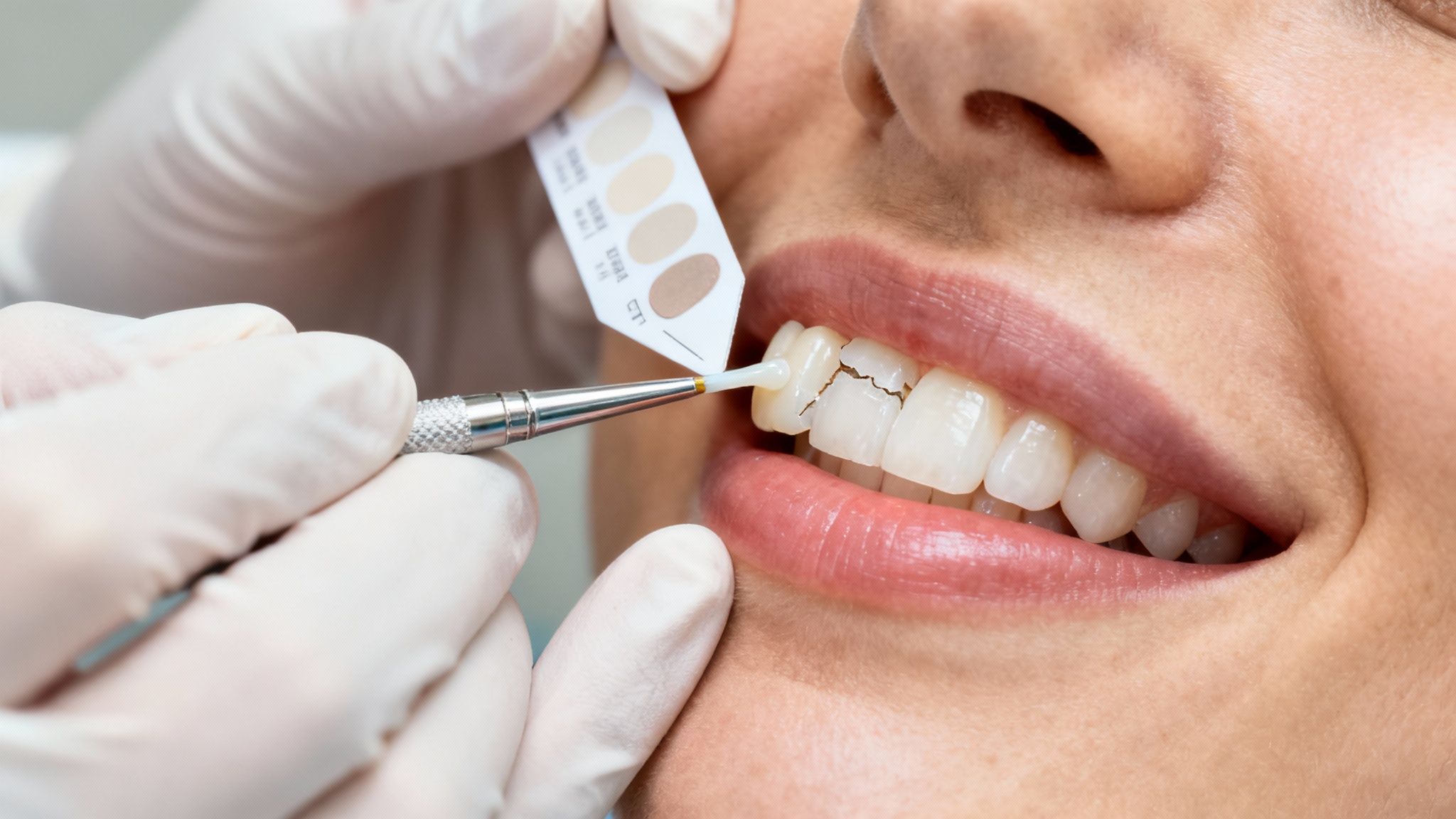

Taking a close look in the mirror after your morning coffee often brings up small details you usually ignore. Maybe it is a tiny chip on an incisor from a childhood bike fall, or stain buildup that brushing never seems to touch. It is around this point that people start exploring options in cosmetic dentistry, usually hoping for a straightforward, hassle-free fix.
The reality is that tweaking the appearance of your teeth involves a blend of dental health, materials science, and realistic expectations. Getting a clear view of how these treatments actually play out helps you make decisions that hold up over time.
Foundation First: Why Health Trumps Aesthetics
It is tempting to jump straight to choosing shades of white or looking at porcelain samples. But any experienced clinician will tell you that aesthetic work placed over compromised foundations is asking for trouble down the track.
Treating active issues like gum inflammation, tooth decay, or grinding habits comes before any cosmetic work. If you place a composite resin bond over a tooth with minor internal decay, the decay continues under the surface while hiding behind a clean exterior. Once your gums are pink and firm and your enamel is clean, cosmetic changes actually last as intended.
Comparing Your Main Options
Not all smile updates require extensive work. Depending on whether you want to alter colour, shape, or alignment, the approach changes significantly.
| Treatment | Main Purpose | Average Longevity | Typical Commitment |
| In-Chair Whitening | Lifts deep enamel staining from food, wine, or age | 6 to 18 months | Single 60-minute visit |
| Composite Bonding | Repairs small chips, minor gaps, or worn edges | 3 to 7 years | Single appointment, minimal prep |
| Porcelain Veneers | Corrects shape, symmetry, and heavy discolouration | 10 to 15 years | 2 to 3 appointments over a few weeks |
| Clear Aligners | Fixes crowding and bite alignment naturally | Permanent (with retainer) | 6 to 18 months of daily wear |
Matching Treatment to Your Daily Life
Choosing a path usually comes down to three practical questions: how much natural enamel you want to preserve, how much maintenance you are willing to do, and your long-term budget
- Enamel Preservation
Composite bonding builds onto your natural tooth without removing existing enamel in most cases. Porcelain veneers, on the other hand, usually require removing a paper-thin layer of enamel so the shell sits flush against your gumline. That makes veneers an irreversible decision, meaning they will eventually need to be replaced down the line. - Bite Dynamics
If you wake up with a tight jaw or know you clench your teeth during stress, tell your practitioner early. Unmanaged bite pressure snaps thin composite resin easily and can even pop porcelain off a tooth. A custom nightguard is often part of the package to protect your investment while you sleep.
- Stain Resistance
Porcelain acts almost like glass; it does not absorb pigments from dark drinks, turmeric, or black tea. Composite resin behaves more like natural enamel over time, meaning it will gradually stain and require periodic polishing to keep its luster.
Simple Post-Treatment Upkeep
Keeping your teeth looking good after treatment does not require complex routines, but it does demand consistency:
- Swap out hard-bristled brushes for soft ones so you do not wear down composite edges or scratch porcelain glazes.
- Rinse your mouth with plain water after drinking espresso or dark berry smoothies to prevent surface staining.
- Stick to your regular six-month checkup and clean routine so your practitioner can monitor the edges of any restorations.
- Wear your retainers as instructed if aligners were part of your plan, as teeth naturally try to drift back over time.
Frequently Asked Questions
Will my natural teeth be shaved down to small pegs for veneers?
No. That aggressive reduction is typically associated with full crowns, not standard porcelain veneers. Modern veneers usually require only a fraction of a millimetre shaved off the front surface of the enamel roughly the thickness of a contact lens—so the veneer fits flush without looking bulky.
Can I whiten my existing fillings or veneers if they look dark?
Professional whitening products only work on natural enamel. Bleaching agents will not lift stains from composite resin, porcelain, or old fillings. If your natural teeth are whitened around older restorations, those restorations may need to be replaced to match your new shade.
Is dental bonding easy to repair if it chips?
Yes. One of the main advantages of composite resin bonding is that it can be patched or added to in a single short appointment without needing to redo the entire tooth.
Why do some teeth hurt after professional whitening?
The active peroxide ingredients temporarily dehydrate the tooth and open microscopic pores in the enamel to reach internal stains. This allows temperature changes to reach the nerve more directly. The sensitivity usually fades within 24 to 48 hours as your saliva rehydrates the enamel.
How do I decide between clear aligners and veneers for mild crowding?
If your natural teeth are healthy and shaped well, clear aligners are usually the better choice because they move your real teeth without removing enamel. Veneers are better suited if the teeth are severely discoloured, chipped, or misshapen in addition to being slightly out of place.
Summary and Final Advice
Upgrading your smile works best when you view it as a long-term project rather than a quick cosmetic change. Take the time to get your underlying teeth and gums completely healthy first, choose materials that match your lifestyle and habits, and stick to a steady routine of daily care and regular dental checkups. When done thoughtfully, cosmetic treatments enhance your smile while keeping your natural teeth strong for years to come.
