
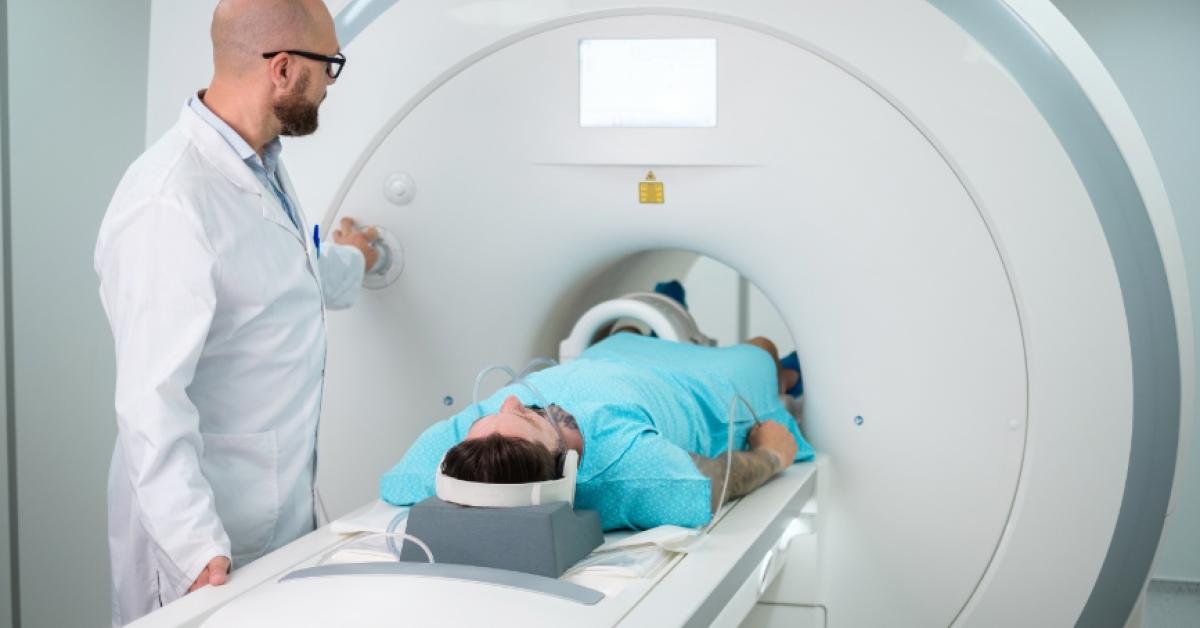

A computed tomography (CT) Scan is a diagnostic imaging tool that provides detailed views of the brain and other internal structures. In emergency and neurological care, it can help healthcare providers identify signs of stroke, bleeding, head injuries, tumors, and other conditions that require prompt treatment. Here is more information on how a CT Scan aids in identifying stroke and other neurological conditions:
Recognizing Warning Signs
Certain warning signs may prompt a doctor to order a computed tomography scan, and recognizing these signs early can inform the next steps in your care. Your physician will review your symptoms, and if the pattern points to a brain-related concern, a scan may follow. Here are key signs that make doctors recommend a CT scan:
- Sudden weakness or numbness: When one side of the body becomes weak or numb without warning, doctors often want a clear image of the brain.
- Trouble speaking or understanding: Slurred speech or confusion indicates changes that imaging can reveal.
- Loss of balance or coordination: A sudden stumble or dizziness may suggest a problem that a scan can clarify.
- Severe or unusual headache: A headache unlike any you have felt before can be a reason to look deeper.
These signs do not confirm any single condition, but they help your care team decide whether a scan is the right move.
Identifying Stroke-Related Changes
A stroke happens when blood flow to part of the brain is blocked or when a vessel bleeds, and a CT scan helps doctors tell these two types apart. The scan can show bleeding within minutes, which is why emergency teams rely on it so often. Doctors review the images carefully, and the details guide their responses. The two main stroke types appear differently on a scan. An ischemic stroke involves a blockage, while a hemorrhagic stroke involves bleeding, and the scan helps separate one from the other.
Detecting Neurological Conditions
A computed tomography scan does more than identify stroke-related changes; it can reveal a range of other concerns within the brain. The images show structures in fine detail, allowing doctors to study areas that may otherwise remain hidden. Doctors use a CT scan to look at the following conditions:
- Brain tumors: The images show unusual growths and their location within the brain.
- Head injuries: After a fall or accident, a scan can reveal bleeding, swelling, or fractures.
- Fluid buildup: Extra fluid in or around the brain appears clearly on a scan.
- Aneurysms: A weakened blood vessel may show up, which helps doctors plan their next steps.
These findings give your physician a comprehensive picture, and they support a thoughtful approach to your care.
Guiding Treatment and Follow-Up Care
Once a CT scan reveals what is happening inside the brain, doctors use that information to develop a plan. The images help them decide whether you need medication, a procedure, or further testing, and this guidance keeps your care focused. Follow-up scans also play a role over time. After treatment begins, a new computed tomography scan can show whether changes have improved or changed, and doctors compare these images to monitor progress. This ongoing view helps your physician adjust the plan when needed. A CT scan does not replace your doctor’s judgment; it strengthens it.
Schedule Your CT Scan Today
A computed tomography scan is a diagnostic tool that provides your healthcare team with detailed insights into the brain. Supplementing your treatment plan with precise imaging promotes better monitoring and adjustments over time. Contact a reputable medical imaging facility near you to schedule your CT Scan today.
