
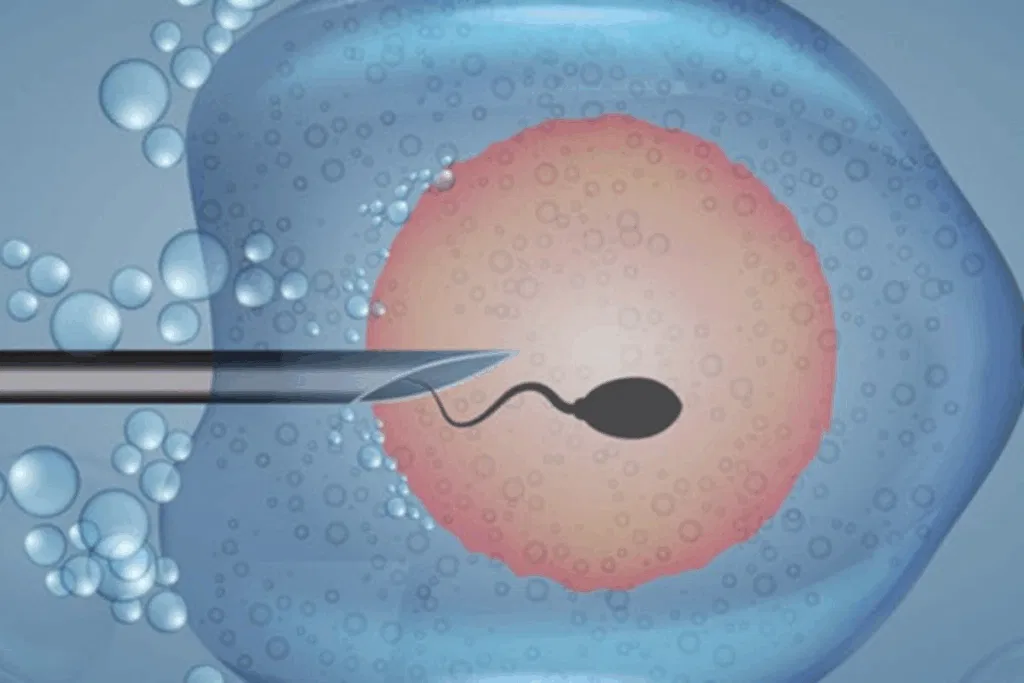

In vitro fertilization (IVF) is a medical intervention for patients facing significant reproductive challenges. Counseling during the IVF process provides patients with clinical guidance and objective coping strategies. A fertility specialist explains treatment protocols, and they offer structured support mechanisms. This specialized evaluation helps individuals navigate the complex medical procedures required for artificial reproduction, facilitating informed decision-making. Here is more information on the benefits of counseling during the process:
What Is IVF?
IVF is a form of assisted reproductive technology. Medical providers extract mature eggs from the ovaries, and they fertilize them with sperm in a clinical laboratory. The resulting embryos are then transferred directly into a uterus, where implantation can occur. This medical procedure bypasses certain biological obstacles to facilitate pregnancy.
Clinics use specialized equipment to closely monitor the fertilization process, and embryologists oversee cellular development. The clinical monitoring is precise, and advanced technology helps increase the likelihood of a successful pregnancy. The laboratory environment mimics natural conditions, thereby promoting embryonic development. As the procedure progresses, patients may receive ongoing updates from their medical team on the status of their embryos.
How Does It Work?
The procedure requires several distinct clinical phases spanning several weeks. Patients first undergo ovarian stimulation through prescribed medications, and this encourages the development of multiple eggs. After the eggs mature, providers perform a minor surgical procedure to retrieve these cells for fertilization.
Embryologists combine the retrieved eggs with sperm in a controlled laboratory environment. They monitor cellular division over a few days, and they may document the developmental stages. Once the embryos reach the right stage, a physician transfers one or more viable embryos into the patient’s uterine cavity.
Patients may receive regular blood tests and ultrasounds to monitor their physiological response to the medications, and these diagnostic tests allow the physician to adjust the treatment plan. Following the embryo transfer, patients wait a couple of weeks before they complete a clinical pregnancy test. Consulting a fertility specialist helps patients better understand the process.
Who Does It Help?
This reproductive technology serves patients facing various medical obstacles to natural conception, including:
- Individuals with fallopian tube damage or severe endometriosis
- Male factor infertility and unexplained reproductive challenges
- Same-sex couples and single individuals
- Patients with inherited genetic conditions
Medical providers evaluate each individual through a thorough medical history and diagnostic testing to determine if this treatment is suitable and to create a customized protocol.
What Is Counseling?
Fertility counseling is a structured psychological intervention conducted by a licensed IVF specialist. This clinical service addresses the various impacts associated with rigorous medical fertility treatments. A specialist evaluates the patient’s readiness for the procedures, and they explain the potential outcomes of each clinical phase. These sessions focus on information processing, which helps patients maintain perspective throughout the medical timeline.
How Is Counseling Beneficial?
Professional support delivers distinct clinical advantages for individuals undergoing reproductive medical procedures. By discussing statistical probabilities and medical realities beforehand, patients develop realistic expectations regarding their specific treatment cycle. This objective preparation may reduce dropout rates, and it helps patients make informed decisions about their medical care.
Seek Counseling Services Now
Integrating professional support into your reproductive medical plan provides necessary structure, as fertility counseling equips patients with verified strategies for managing the clinical demands of artificial reproduction. Schedule an initial evaluation with an IVF specialist today to establish a plan for your upcoming procedures. Taking this proactive step enables informed, objective decision-making, which can improve the process.
