
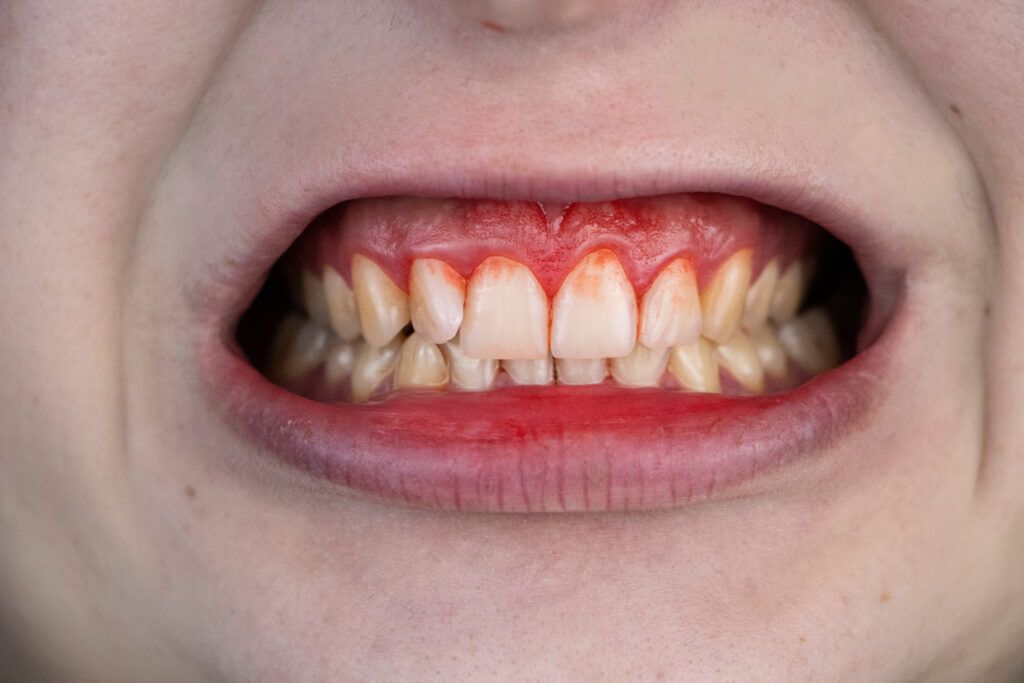

Gum disease affects the tissues surrounding and supporting the teeth. As bacteria accumulate in the mouth, infections develop that compromise dental health. Patients benefit from recognizing the early signs of this condition, and they should seek professional evaluation promptly to prevent further complications. Here is more information on how this condition progresses:
What Is Gum Disease?
Gum disease represents a continuous bacterial infection of the oral cavity. Medical professionals classify this condition into different stages, and they determine treatment protocols based on the severity of tissue damage. Since the infection attacks the supporting bone structure, it ultimately causes tooth mobility or complete tooth loss. The condition begins softly at the gum line, but it advances deeper into the periodontal pockets over months or years. A dentist performs a comprehensive examination to identify the specific stage of the disease.
What Causes It?
The primary cause of this condition is the accumulation of bacterial plaque on dental surfaces. Plaque forms a sticky film over the enamel, and it continuously hardens into calculus if left undisturbed. When individuals consume sugary foods, the bacteria produce acids that irritate the surrounding gum tissues. This constant irritation triggers an inflammatory response from the body’s immune system. Genetics, smoking, and certain systemic diseases also play roles in the development of periodontal issues.
How Does It Progress?
The progression begins with gingivitis. During this initial phase, the gums become inflamed due to exposure to plaque, but the underlying bone remains intact. Patients can typically reverse gingivitis through improved daily hygiene, and they should maintain regular dental visits to monitor their recovery.
If gingivitis remains untreated, it can progress to early periodontitis. The bacterial infection extends below the gum line, and the body’s immune response begins to destroy the supporting bone matrix. Small periodontal pockets form that trap additional debris as the connective tissues detach from the tooth roots.
In the final stage of advanced periodontitis, the supporting bone structure suffers severe, irreversible destruction, and the periodontal pockets deepen significantly. The teeth also shift rapidly within the jawbone. Since the structural foundation is severely compromised, dentists may need to extract the affected teeth.
What Are the Symptoms?
Patients benefit from monitoring their oral health for specific warning signs. The symptoms vary depending on the exact stage of the infection, and they may start subtly. When patients recognize these indicators early, they can seek appropriate medical intervention before severe damage occurs. Common indicators of periodontal issues include:
- Red, swollen, or tender gums that bleed easily during regular brushing
- Persistent bad breath or a constant metallic taste in the mouth
- Noticeable recession of the gum line away from the teeth
- Deep pockets that form between the teeth and the surrounding gums
- Loose teeth or changes in the way the teeth fit together
What Are the Treatment Options?
The specific treatment approach depends on the disease’s progression. Dentists use professional cleaning to manage the earliest stages of gingivitis. For moderate periodontitis, dental professionals perform a procedure called scaling and root planing. The dentist cleans deep beneath the gum line to remove hidden bacteria, and they smooth the root surfaces to prevent future plaque accumulation. Advanced cases often require LANAP® (laser-assisted new attachment procedure) to restore oral health.
Consult a Dental Specialist Now
Periodontal disease requires immediate professional attention to prevent irreversible oral damage. Dental specialists can evaluate your condition, and they will design a targeted treatment plan. When you delay treatment, the infection continues to degrade your jawbone and overall health. Contact a qualified periodontist today to schedule a comprehensive evaluation.
