
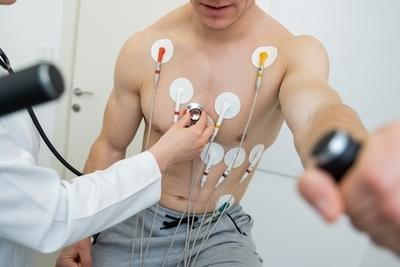

Heart disease remains a leading health risk worldwide, and early detection helps patients get the care they need before these types of conditions worsen. A stress test is one method of assessing a person’s heart health. This test involves performing aerobic exercise under supervision while being monitored. When the cardiologist observes the heart’s response to this heightened state of activity, they can determine any needed treatments to help them improve their heart health. Here is more information about stress testing:
Understanding Heart Disease
Medical providers use stress testing to identify hidden cardiovascular problems before symptoms become severe. Heart disease is an umbrella term that includes many conditions, and coronary artery disease, or CAD, is the most common type. Plaque buildup causes coronary artery disease. It blocks blood flow to the heart muscle, causing the heart to become overworked when pumping blood.
Other types include arrhythmias and heart valve issues. Poor diet and lack of exercise contribute to these conditions, but genetics also plays a role. If you have a family history of heart disease, you can undergo regular screening to identify any issues in their early stages.
Diagnosing Heart Conditions
Doctors diagnose cardiovascular conditions using several methods, and physical exams are the first step. They listen to the heart with a stethoscope to identify any irregular heartbeat or other symptoms. A stress test measures heart performance during physical exertion. This evaluation helps doctors observe the heart under pressure, and they can spot issues that may not be observable when the patient’s heart is at rest.
The procedure evaluates the following aspects:
- Blood pressure changes during exercise.
- Heart rhythm abnormalities.
- Overall exercise capacity.
Experiencing Stress Testing
Patients typically walk on a treadmill during the evaluation, or they ride a stationary bike. The medical staff attaches electrodes to the chest to monitor electrical activity. The speed of the treadmill increases gradually, and the patient exercises until they reach a target heart rate. If the patient cannot exercise, doctors administer medication that simulates physical exertion.
Evaluating the Test Results
Cardiologists review the data after the procedure, and they look for signs of reduced blood flow. A normal result means the heart functions well and is receiving adequate oxygen during exertion. Abnormal results indicate potential blockages. Your doctor will recommend further action.
The next steps can range from conservative measures to more advanced interventions, including:
- Lifestyle modifications: Implementing changes to diet and exercise routines can be beneficial to heart health.
- Medication management: Certain medications lower blood pressure or manage other risk factors.
- Surgical procedures: Performing procedures such as angioplasty restores blood flow for more severe cases.
It is also possible that the doctor will need to order more tests to provide more information. These tests may include a stress echocardiogram or cardiac catheterization.
Care for Your Heart
Early detection of cardiovascular disease helps you get the care you need while the disease is most treatable. Doctors use various evaluations to monitor cardiovascular performance, and they use this information to formulate a custom treatment plan for your unique case. Women and men tend to have different experiences with heart disease. This factor influences diagnosis and treatment as well. If you have concerns about heart conditions or just want to maintain your cardiovascular health, consult a cardiologist near you.
