
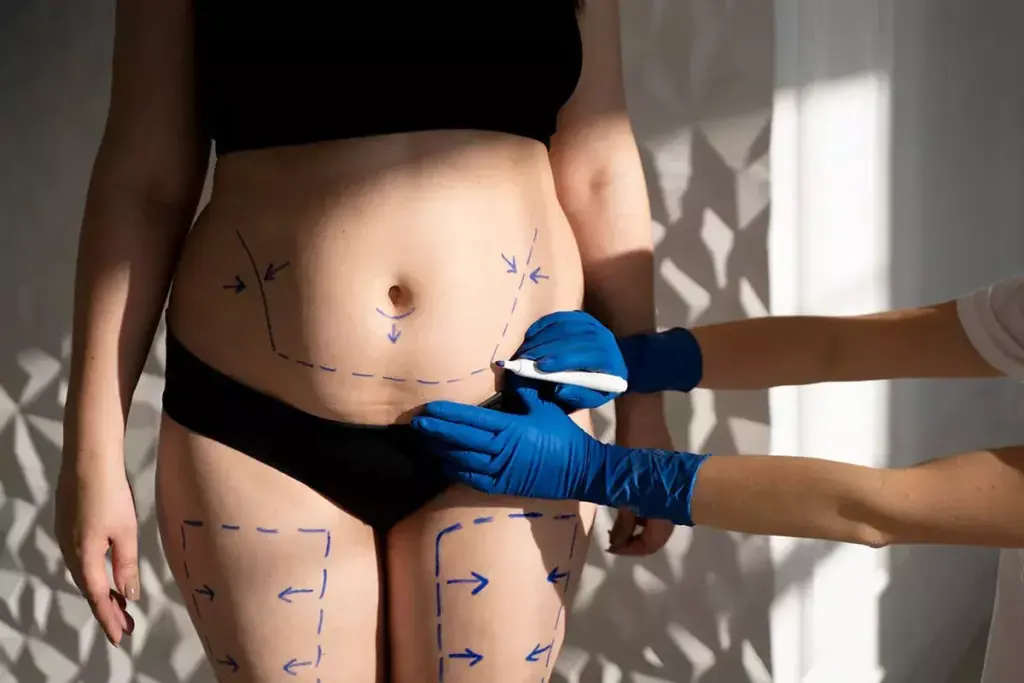

Body contouring encompasses various surgical procedures designed to alter physical dimensions. Individuals can experience localized fat accumulation that resists standard dietary modifications and rigorous exercise regimens, and liposuction remains an approach for removing stubborn fat cells. When physical activity and nutritional management reach a plateau, surgical intervention offers an alternative pathway to alter body shape.
What Is Liposuction?
Liposuction is a body contouring surgery intended to refine physical proportions by removing isolated fat deposits. Medical professionals begin the procedure by administering anesthesia. Surgeons then create precise, minor incisions in the targeted skin regions. These incisions facilitate the entry of surgical instruments, aiming to minimize subsequent scar formation. The surgeon guides a cannula beneath the skin and uses deliberate motions to break up and dislodge the fat cells. Once the fat tissue is loosened, a medical vacuum system suctions the cellular material out of the body. Afterward, the surgical team closes the incisions utilizing medical sutures.
While the traditional suction-assisted technique remains prevalent, surgeons may integrate modified approaches. Tumescent liposuction involves injecting a sterile solution into the fat layer to reduce bleeding. Other specialized techniques can utilize ultrasound or laser energy. These energy-assisted modalities help liquefy the fat cells prior to extraction and modify the standard surgical approach.
Who Is It For?
Ideal candidates typically maintain a stable body weight. Patients exhibiting high skin elasticity and firmness, alongside underlying muscle tone, can achieve desirable results. Medical professionals require patients to meet certain health benchmarks. Candidates must be non-smokers and lack underlying medical conditions that could interfere with postoperative recovery. The procedure strictly serves as a targeted contouring tool, not a weight reduction method for obesity. It also does not resolve structural skin irregularities such as cellulite or severe tissue laxity. Patients must hold realistic expectations regarding the alterations the surgery can achieve.
What Does It Address?
Fat distribution varies among individuals; this leads to specific areas that may retain disproportionate volume despite diligent dietary management. Liposuction addresses these localized regions to create a more balanced physical profile. Surgeons frequently perform the procedure on the abdominal region, hips, and flanks, where fat tends to accumulate prominently. Patients may also request contouring for the thighs, buttocks, and back.
The procedure also applies to smaller, more precise anatomical areas. Surgeons can refine facial and neck contours and target the chin, the neck, and the cheeks. They may also target extremities, including the upper arms, knees, calves, and ankles. By selectively removing fat from these designated locations, surgeons assist patients in achieving their desired anatomical proportions. The removed fat cells do not regenerate. To sustain the new proportions, the patient must maintain stable weight metrics through ongoing nutritional and lifestyle habits. Weight gain following the procedure can cause remaining fat cells in untreated areas to expand.
Confer With a Dermatologist
Exploring body contouring options requires direct communication with a qualified medical professional. Medical professionals provide comprehensive evaluations, matching individual patient goals with appropriate surgical interventions. Thorough preoperative planning helps optimize the final aesthetic outcome and allows them to prioritize patient safety. Prospective patients should schedule an appointment at a medical facility to discuss their distinct anatomical needs and verify their medical eligibility.
