
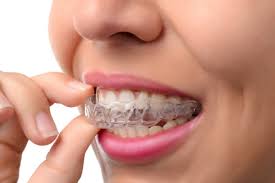

Orthodontic treatments provide solutions for aligning teeth, correcting bite irregularities, and improving overall dental function. Dental technology has developed various options for patients seeking orthodontic care. Traditional metal brackets have a long history of efficacy in treating complex malocclusions. Clear braces offer an alternative approach for individuals needing structural correction. These orthodontic devices function similarly to their metal counterparts, but offer a different visual aesthetic.
What Are Clear Braces?
Clear braces are comprehensive orthodontic systems designed to align teeth using a network of brackets and wires. Unlike traditional options made entirely of visible metal, these systems utilize translucent ceramic materials. These components blend closely with the natural color of the patient’s teeth. Some specific designs incorporate a combination of metal and ceramic to maintain structural integrity and reduce overall visibility.
These orthodontic appliances operate on the same mechanical principles as standard metal braces. They apply continuous, gentle pressure to the dental arches and shift teeth into their desired positions over an extended period. Orthodontists attach the clear brackets directly to the front surfaces of the teeth, using specialized dental adhesives. They then connect these brackets with an archwire.
What Should You Expect?
When initiating treatment, an orthodontist carefully bonds the ceramic brackets to the enamel of the teeth. After securing the individual brackets, the provider threads the archwire through them and fastens it in place using small ligatures. Patients must attend periodic appointments so the orthodontist can adjust the tension of the wires. These incremental adjustments guide the teeth toward their final, corrected positions.
Individual timelines naturally vary based on the specific dental alignments and the complexity of the malocclusion being treated. Throughout the active treatment phase, maintaining thorough oral hygiene remains a top priority. Patients should brush their teeth after every meal and floss daily to prevent plaque accumulation around the intricate bracket structures.
Orthodontists advise against consuming hard items or sticky foods. Chewing on objects like hard candies or sticky caramels might dislodge or break the ceramic components. Following the removal of the braces, patients transition to the retention phase. This typically involves wearing a retainer; this holds the teeth securely in their newly established positions while the changes stabilize.
What Are the Benefits?
A primary advantage of clear braces lies in their reduced visibility. The semi-transparent materials allow the natural tooth shade to show through, making the appliance much less conspicuous. The materials used in these braces provide substantial physical durability and make them a suitable option for active individuals.
Manufacturers design the ceramic brackets with smooth, rounded contours; this structural detail may reduce friction against the inner lips and cheeks. The rounded design can contribute to a more comfortable experience for the patient. By combining physical durability with a subtle appearance and enhanced comfort, clear braces offer a highly practical approach to orthodontic correction.
Confer With an Orthodontist
Selecting the appropriate orthodontic treatment requires professional guidance and formal clinical evaluation. Every individual presents a unique dental structure, and specific alignment issues respond better to particular types of orthodontic appliances. An orthodontist can comprehensively evaluate the teeth, jaw alignment, and overall oral health, allowing them to recommend the most effective corrective strategy.
