
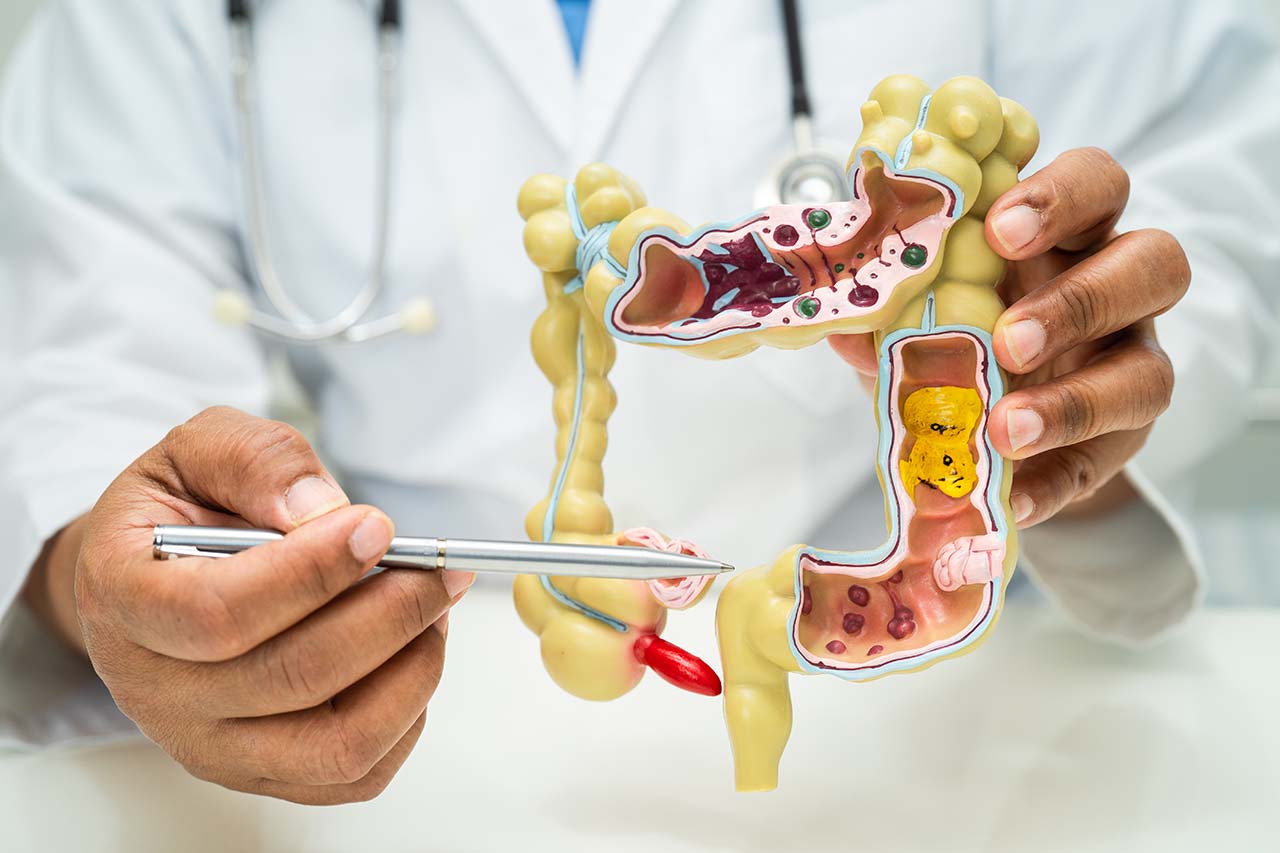

Medical professionals utilize colonoscopy screenings for gastrointestinal evaluation. Patients undergo these standard procedures at regular intervals depending on their age and family history, and physicians analyze the data for any anatomical abnormalities. Because practitioners require accurate internal imaging to make clinical judgments, understanding the role of colonoscopy for early detection of diseases and cancers provides a necessary foundation for gastroenterology.
What a Colonoscopy Views
When a gastroenterologist begins a colonoscopy, they carefully insert a flexible tube equipped with a micro-camera into the patient’s rectum. This specialized instrument views the structure of the large intestine. The camera transmits continuous real-time video to a viewing monitor, and the operating doctor analyzes the intestinal lining for irregularities.
The view of the intestine allows the doctor to see the entire structure, and they look for specific anomalies like polyps. Although the majority of these polyps are benign, some growths may transform into malignant tumors. The endoscopic camera also identifies persistently inflamed tissues throughout the lower digestive tract and other causes of discomfort.
How It Informs Diagnoses
Tissue sampling occurs concurrently during the initial inspection of the digestive tract. If the operating physician spots an anomalous cellular growth, they extract a small amount of tissue using microscopic forceps. Pathologists test these biological tissue biopsies in the laboratory, and the cellular structures are analyzed by these specialists under microscopes to find what is causing the problem.
Because evaluation reveals hidden cellular mutations, this analytical process distinguishes between benign gastrointestinal inflammation and cancerous growth. The resulting pathology report details the nature of the extracted tissue, and this report guides the physician’s subsequent treatment strategy. Physicians rely on these cellular classifications for accurate disease diagnosis. If other issues arise during the analysis, physicians can view the images for other internal trauma.
Diagnostic application extends beyond standard oncology, and the endoscopic procedure also confirms chronic inflammatory bowel conditions like Crohn’s disease. The physical visual evidence directly matches established diagnostic criteria for these autoimmune ailments. As medical teams compile the endoscopic imagery with the laboratory pathology results, they formulate an accurate plan for future treatment.
How Early Detection Helps Treatment
Medical interventions consistently demonstrate higher efficacy rates at initial stages of disease progression. Removing precancerous polyps halts tumor development, and this preemptive extraction alters the patient’s projected long-term health trajectory. When diagnostic teams identify malignancies early, specialized surgeons can often remove the tumor before it spreads or progresses. For noncancerous diseases, doctors can begin early treatment to reduce the progression of disease, or allow patients to start lifestyle changes that will help with their conditions.
Because localized surgical treatments bypass the need for chemotherapy, patients experience fewer side effects during their recovery period. Early identification also simplifies medication management for chronic inflammatory bowel diseases. Timely medication adjustments prevent intestinal tissue degradation, and doctors monitor these underlying conditions with routine follow-up screenings.
Schedule a Colonoscopy
Standard medical guidelines recommend initial screening timelines based on patient age, and physicians adjust these recommendations for individuals with a family history of gastrointestinal diseases. If you reach the standard recommended screening age of forty-five, a consultation with a certified gastroenterologist clarifies the procedural requirements. A routine appointment establishes a baseline for your digestive health record.
An initial appointment for evaluation can determine if a colonoscopy is the correct procedure for diagnosis, especially for at-risk individuals. A patient can discuss any concerns or symptoms, and physicians can use reported data to assess issues within the gastrointestinal tract. Schedule an appointment with a specialist to find out if a colonoscopy is right for you.
