
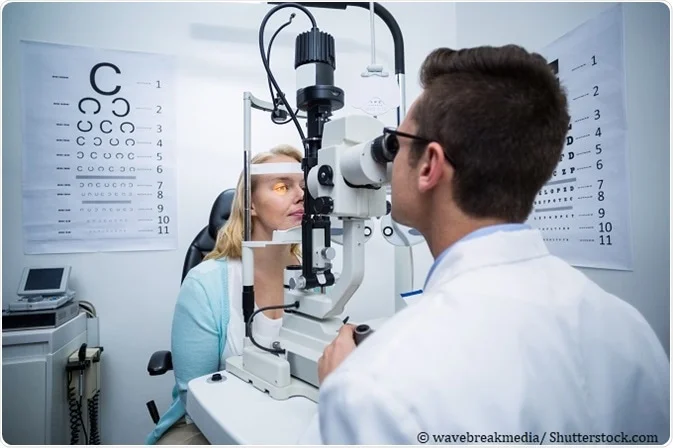

Optometrists diagnose and manage many eye and vision issues, and they also prescribe corrective lenses. They work in clinics, retail practices, and medical settings. When you visit an optometrist, you receive services that address sight, eye health, and visual function. Here are some of the services that an optometrist provides to their patients:
Medical Eye Exams
A medical eye exam checks vision and eye health, and it also reviews symptoms like pain or blurred sight. The optometrist asks about your health history. As some eye diseases develop with few signs, the exam includes internal and external eye checks.
The visit may include several tests, and each one serves a clear purpose. Parts of the exam include:
- Visual acuity testing
- Inocular pressure measurements
- Retinal evaluation
When symptoms point to a problem, the optometrist may assess dry eye, infections, or allergies. They also look for signs of glaucoma and cataracts. If a condition needs surgical care, the optometrist refers you to an ophthalmologist.
Ophthalmic Glasses
Eyeglasses correct refractive errors, and they are prescribed after vision testing. Nearsightedness, farsightedness, and astigmatism are typical findings. When the prescription is written, lens type and frame fit also matter.
Some people need single-vision lenses, but others need bifocals or progressives. The optometrist measures your prescription. Since lens coatings affect glare and scratch resistance, you may discuss those options during the visit.
A proper fit helps with comfort and vision, and poor alignment may affect how glasses perform. Frame size can affect the outcome. When selecting eyewear, the optometrist or staff may review:
- Bridge fit
- Temple length
- Lens material
Fitted Contact Lenses
Contact lenses sit on the eye, and they require more than a glasses prescription. The optometrist measures the cornea. Since your eye shape and tear quality differ from person to person, lens fitting involves added testing.
Some patients wear soft lenses, but others use toric, multifocal, or rigid lenses. Trial lenses help assess the fit of contact lenses. When the lens moves too much or too little, the prescription may be adjusted as needed.
The optometrist also explains cleaning steps, and they review wearing schedules. Contact lens misuse may raise the risk of infection. If your eyes become red or painful, you need prompt evaluation. Proper follow-up appointments are helpful to monitor eye health and make sure the lenses continue to fit comfortably.
Eye-related Requirements
Some jobs, schools, and government agencies require vision forms, and optometrists can complete them. Driver’s license screenings are one example. When a form needs current test results, the office records visual acuity and related findings.
Workplace vision demands vary, but the exam may address screen use, depth perception, or color vision. The optometrist documents the results. Since each agency sets its own standards, you should bring the exact paperwork to the appointment.
Visit an Optometrist Today
Eye care includes exams, glasses, contact lenses, and required vision documentation, and each service has a specific role. Optometrists also track changes over time. If you need an eye exam or updated eyewear, schedule a visit with an optometrist today.
