
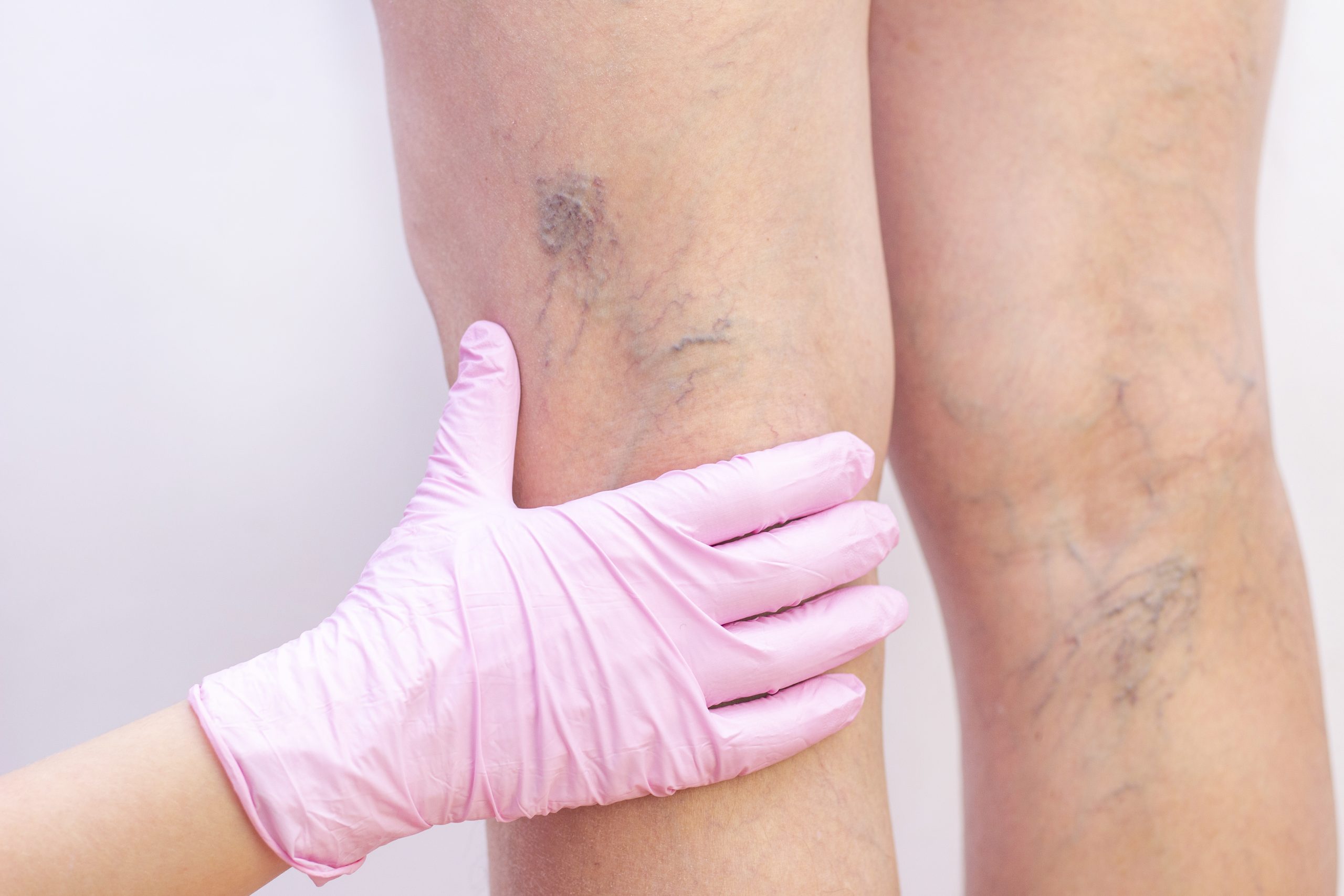

Varicose veins are enlarged veins that appear on the legs and feet. They often look twisted, raised, blue, or purple beneath the skin. In some cases, this condition leads to changes that affect movement and daily tasks. Symptoms and appearance may shift over time, so it’s helpful to know what signs deserve medical attention. Here’s more information about varicose veins and when to seek treatment:
Noting Changes in Appearance
A visible change in the veins may be one of the first signs individuals notice. Varicose veins sometimes appear enlarged, bulging, or rope-like. They may become more noticeable over time or develop in additional areas of the leg. If you observe the veins increasing in size, darkening in color, or becoming more raised, contemplate scheduling an evaluation with a vascular specialist. A provider can help assess how long the veins have been present and whether their appearance has changed gradually.
Tracking Changes in Symptoms
Physical symptoms are another reason to seek treatment; some people notice the following symptoms in their legs:
- Aching
- Heaviness
- Throbbing
- Swelling
- Pressure
These symptoms sometimes become more noticeable after long hours of standing, sitting, or walking through a full day. When symptoms become more frequent, they may begin to disrupt routine tasks. Work demands, exercise, and time spent on your feet sometimes become harder to manage; this is when a healthcare visit is often helpful.
Before your visit, write down when symptoms started, how long they last, and what seems to make them better or worse. This record gives your provider a clearer picture of what’s happening. It helps them identify symptom patterns and evaluate how the condition affects circulation and daily activity; it also enables them to determine whether additional testing or treatment options should be discussed.
Reviewing Changes in Skin
Watch for skin changes that develop near the varicose veins. Dryness, irritation, discoloration, or thickened skin may indicate changes that warrant evaluation by a medical professional. These signs do not identify the underlying cause on their own, but they provide valuable clinical information during an examination.
Swelling in the lower leg is also significant, especially when it occurs frequently or lasts longer than expected. If the skin near a vein appears increasingly irritated or begins to break down, prompt medical evaluation is a key next step. Monitoring these changes closely helps provide a clearer picture of how symptoms are progressing, and it gives you more detailed information to discuss during an appointment.
Assessing Changes in Routine
Varicose veins have the potential to affect daily routines in noticeable ways. Standing for long periods may become less manageable, and walking certain distances sometimes requires more effort than before. Exercise, work responsibilities, and everyday movement also begin to require adjustments in some cases. These changes are significant because they show how the condition is affecting day-to-day function and comfort. A provider may ask about job duties, family history, activity level, or past pregnancies to develop a more complete understanding of the situation. This broader review leads to more focused and practical treatment discussions. If you find yourself reorganizing your day around leg symptoms, it may be time to schedule a medical evaluation.
Find Treatment for Varicose Veins
Recognizing when to seek treatment for varicose veins begins with paying attention to visible changes, physical symptoms, skin condition, and daily function. Each of these signs offers useful clues, and they can help you decide when to visit a vascular specialist. These professionals provide various treatment options for this condition, including endovenous ablation. If you’ve noticed lasting vein or leg changes, schedule an appointment with a qualified specialist and discuss the next step for your care.
