
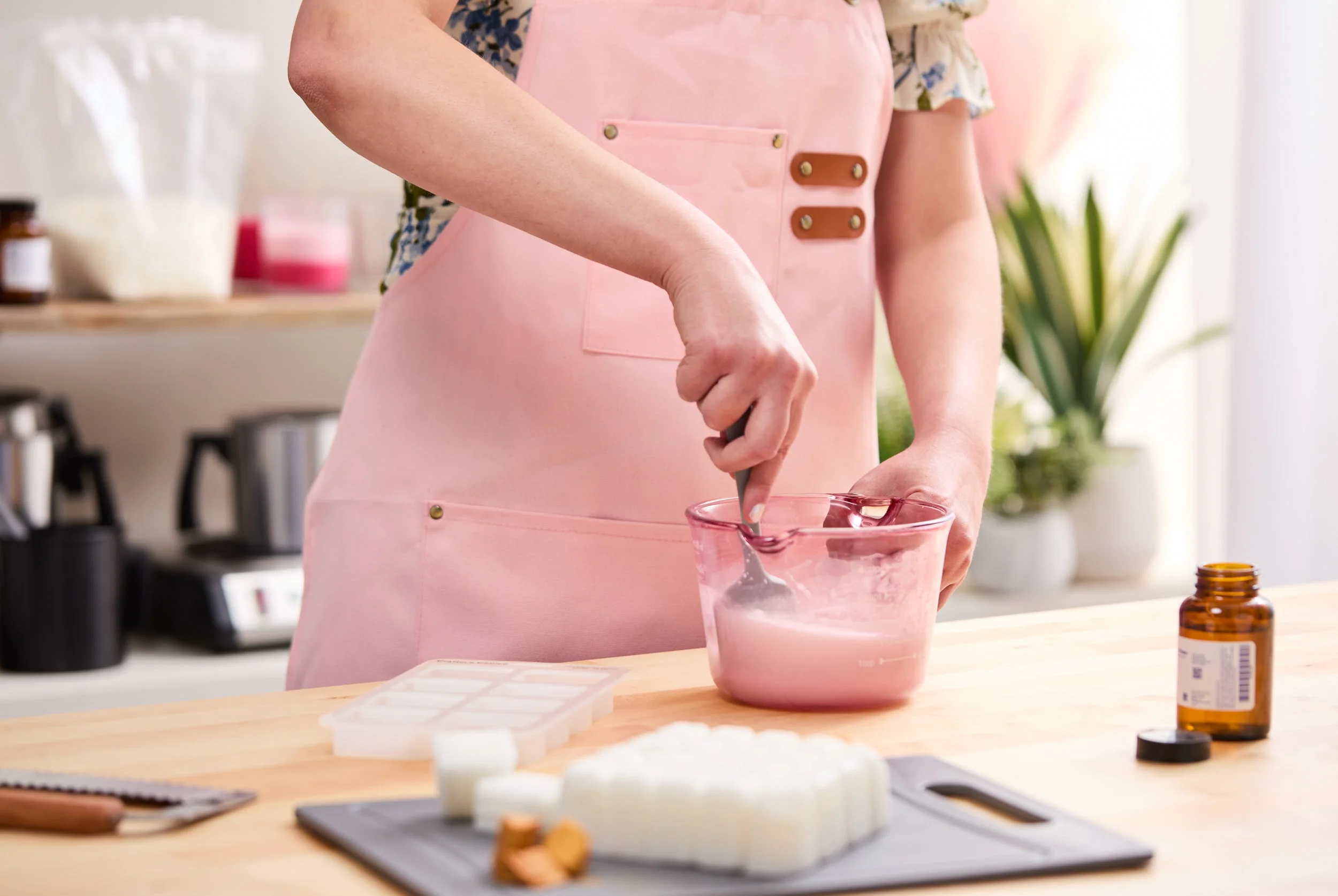

Specialty soap making supplies give you access to unique scents and textures, and these are ideal for signature aromas. You can use the supplies to make boutique-grade soaps for personal care, gift-giving, or commercial use. Apothecary shops also offer a wide variety of ingredients for custom soaps. This includes additives, seeds, and dried botanicals. Here are a few tips to help you explore soap supplies for unique scents:
Use Custom Blends
Use fragrance or essential oils to create a custom scent; each choice offers a different level of control and consistency. Fragrance oils may have lab-formulated, stable, long-lasting scents, while essential oils are plant-derived and natural. Some specialty soap making supplies also include designer-inspired blends with fragrance oils modeled after high-end perfumes. These options give your soaps a luxury feel and work well for bold, layered scents and themed batches. You can create soaps using lye or melt-and-pour soap bases to help create custom fragrances. Creating unique scents sometimes requires specialty blends instead of traditional fragrances; this includes:
- Atmospheric, non-botanical scents like ocean breeze and smoke
- Food-based scents like buttercream icing, oatmeal milk, and honey
- Comfort fragrances like tobacco, vanilla, and coffee bean
- Fruity blends like cucumber melon
- Exotic florals and woods like Egyptian musk and sandalwood
Follow Advanced Blending Techniques
Creating unique soap scents may involve layering notes using a fragrance pyramid. The process uses base notes, which are heavy, long-lasting scents, such as sandalwood, patchouli, or amber. Heart notes help add character and should feature floral or spicy scents, such as jasmine and rose. Top notes deliver the first impression, and they may be light scents like lemon, peppermint, and bergamot.
Base oils influence how fragrances behave during curing and use; some oils may hold scent longer than others. Combining oils and scent profiles requires pairing fragrance strength with base composition. Blend strong base notes like amber or sandalwood with dense oils like shea or olive to help hold the fragrance. Lighter scents like green tea and citrus may pair well with balanced blends. Build combinations with contrast and support, such as mixing lemon and eucalyptus with coconut-olive base, or warm vanilla or cocoa with butters. Avoiding overloading fragrance into soft oil blends helps prevent uneven distribution or fading after curing.
Use Scent Enhancers
Specialty supplies help stabilize or extend fragrance, preserving scent through curing and daily use. Fixatives such as resins or powder additives may reduce scent fading in lighter blends, such as citrus or herbal profiles. Use the right stabilizer in your formulation, like vanilla in sweet, dessert scents, to maintain scent integrity and prevent discoloration. Some suppliers offer pre-crafted fragrance oils; you can add these to a soap base to enhance and prolong the scent.
Find Quality Soap Making Supplies
Soap making requires safe ingredients, so check the International Fragrance Association guidelines provided by your supplier. You can make unique scent formulations from scratch for your soaps; some suppliers also offer books with unique recipes that allow custom tweaks. Order high-quality soap making supplies today to start creating unique scents.
