
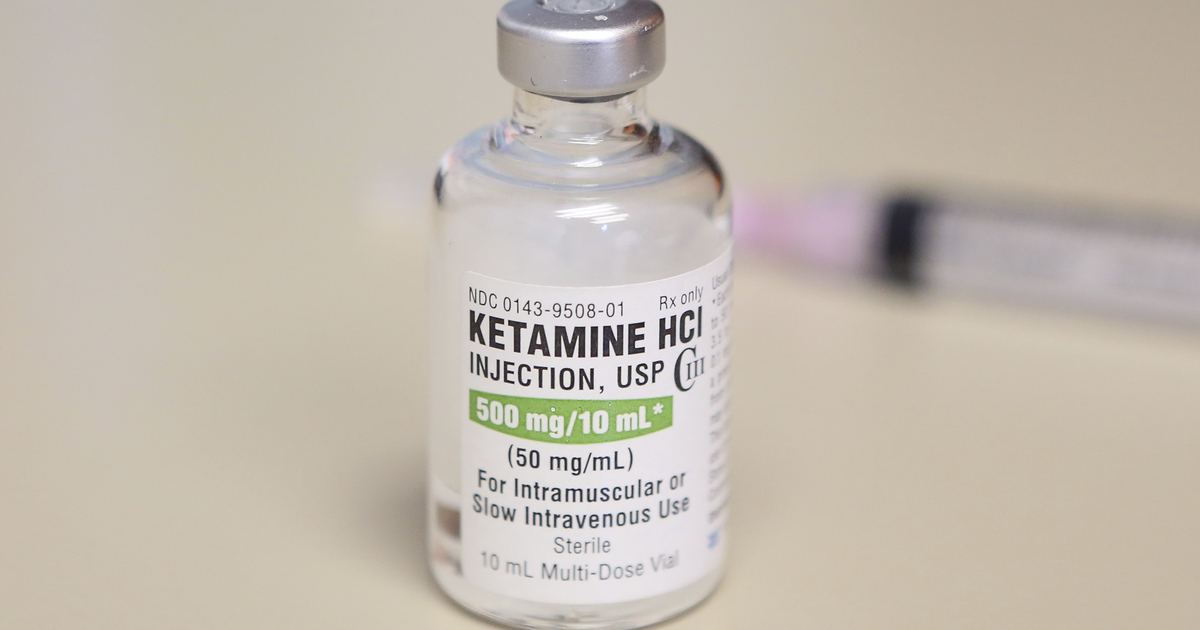

For some patients, standard interventions like selective serotonin reuptake inhibitors do not yield adequate relief from clinic depression. Ketamine therapy has emerged as an approach for addressing persistent depressive symptoms when conventional methods fall short. This therapy introduces a different mechanism of action within the brain and is administered under strict medical supervision.
What Is Ketamine Therapy?
Ketamine therapy involves the clinical administration of ketamine to manage severe cases of depression. Traditional antidepressant medications target neurotransmitters like serotonin. Ketamine interacts with the brain differently and specifically targets glutamate. By influencing glutamate receptors, the medication helps support neuroplasticity, allowing the brain to rebuild neural connections associated with mood regulation.
One primary form of this treatment involves a nasal spray known as Spravato. This specific esketamine formulation can work alongside a standard oral antidepressant, offering a complementary approach to symptom management. Due to its specific physiological effects, clinics only administer this medication within a controlled environment, which prioritizes patient safety throughout the therapy.
What Should You Expect?
The treatment journey begins with a comprehensive medical evaluation. Providers review your circumstances and verify that this specific therapy aligns with your medical needs. Once cleared for treatment, you will attend scheduled sessions.
You receive the medication in a room designed for relaxation. Medical staff remain present to monitor you and oversee your physical response. Because the medication can induce side effects like temporary feelings of disconnection, dizziness, or nausea, direct clinical observation is a mandatory safety protocol.
The observation period typically lasts for an hour or two following the dose. Staff members provide a comfortable space to rest while checking your progress. After the session concludes, you must have a reliable method of transportation. A standard treatment schedule usually involves one or two sessions per week for the first month, eventually moving to a customized maintenance schedule based on clinical recommendations.
What Are the Benefits?
A notable advantage of ketamine-based treatments is the speed at which they can alleviate depressive symptoms. Standard oral antidepressants often require several weeks to reach full therapeutic efficacy. Patients undergoing ketamine therapy may report a rapid reduction in mood disturbances and sometimes notice improvements within days following their initial appointment. This rapid onset provides an immediate path to stability, while daily prescribed medications take time to build up in the patient’s system.
By fostering new neural pathways, the therapy gives individuals a chance to break free from prolonged depressive cycles. This intervention provides a valuable alternative for patients who have previously felt stuck after exhausting multiple medication trials. Along with supporting mood regulation, early intervention with this therapy may help decrease severe distress and offer a renewed sense of stability for those navigating chronic mental health challenges.
Seek Professional Behavioral Health Care
Managing treatment-resistant depression requires guidance from trained psychiatric professionals. Selecting a professional treatment center guarantees that you receive care that meets stringent safety standards. Providers at these facilities possess the specialized training that is necessary and administer controlled therapies safely. If standard antidepressants have not provided the relief you seek, discussing advanced options with a medical specialist is a logical next step.
