
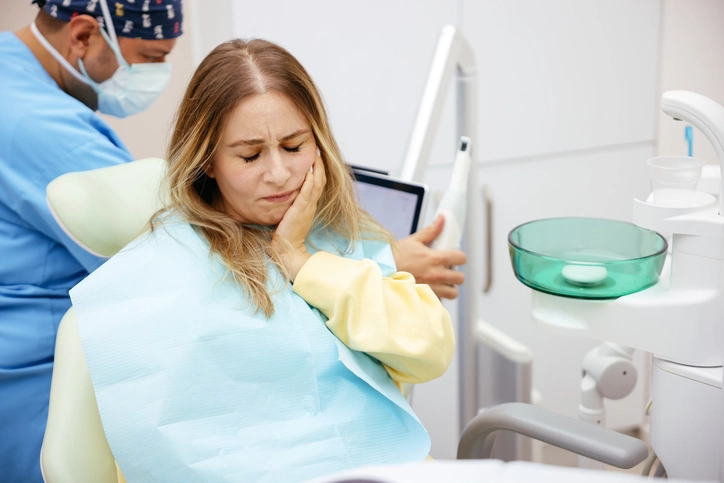

Dental injuries and severe oral pain may arise without warning, needing prompt professional intervention. Knowing how to access medical assistance helps limit long-term damage and reduce discomfort. When a sudden oral health issue occurs, patients must quickly identify the severity of their symptoms and locate an emergency dental care provider equipped to handle urgent cases.
What Is Emergency Dental Care?
Emergency dental care is a specialized area of dentistry dedicated to addressing sudden injuries and urgent oral health needs. Unlike routine visits that focus on preventive maintenance, emergency services concentrate on immediate interventions. Specialists in this field evaluate and treat conditions that pose a direct risk to a patient’s oral health. The primary objective is to address the source of pain and preserve the natural tooth structure whenever possible. By seeking prompt attention, patients receive the targeted care needed to stop bleeding, manage infections, and repair physical damage.
What Issues Require Emergency Care?
A wide range of dental traumas needs immediate medical attention. Patients should seek urgent care if they experience a chipped or severely cracked tooth, since nerves and weakened structures require repair. A knocked-out permanent tooth is another common scenario needing rapid care. Other conditions needing immediate care include loose adult teeth or teeth that have been forcefully pushed deeper into or partially out of the jawbone.
Severe, unyielding toothaches also fall under the category of urgent dental matters. Deep decay or sudden abscesses often manifest as intense pain, and ignoring these symptoms can lead to spreading infections. If a foreign object becomes firmly lodged beneath the gum line, a dental professional must extract it to prevent tissue damage. Anytime an individual sustains direct trauma to the mouth, evaluating the damage through a professional lens helps prevent secondary complications.
How Should You Prepare?
Preparing for unexpected dental incidents involves identifying a reliable provider before a trauma occurs. Patients may research local clinics that advertise urgent care services, and take note of their operating hours and contact information. Upon arriving at a clinic, patients can anticipate a thorough evaluation. The attending dentist begins by reviewing the details of the current injury, alongside the patient’s general medical and oral health history. A physical examination follows, focusing closely on the damaged teeth and surrounding oral tissues.
To accurately gauge the extent of the trauma, the dentist may order diagnostic imaging. Following the assessment, the practitioner creates a treatment plan tailored to the injury. Treatments range from administering tooth extractions and root canals to repairing broken crowns and providing necessary restorations. Some practices offer sedation options to facilitate a comfortable treatment experience for anxious patients.
Find Quality and Immediate Care
When an oral injury strikes, swift action improves the likelihood of a full recovery. If a permanent tooth is completely knocked out, patients should gently rinse it without scrubbing the root and place it in a small container of milk or saline solution while transporting it to the clinic. Locating a dedicated emergency dentistry specialist provides clarity and guarantees that urgent matters receive immediate, expert attention. By understanding the scope of urgent dental services and knowing exactly who to call, patients protect their long-term oral health and function.
