
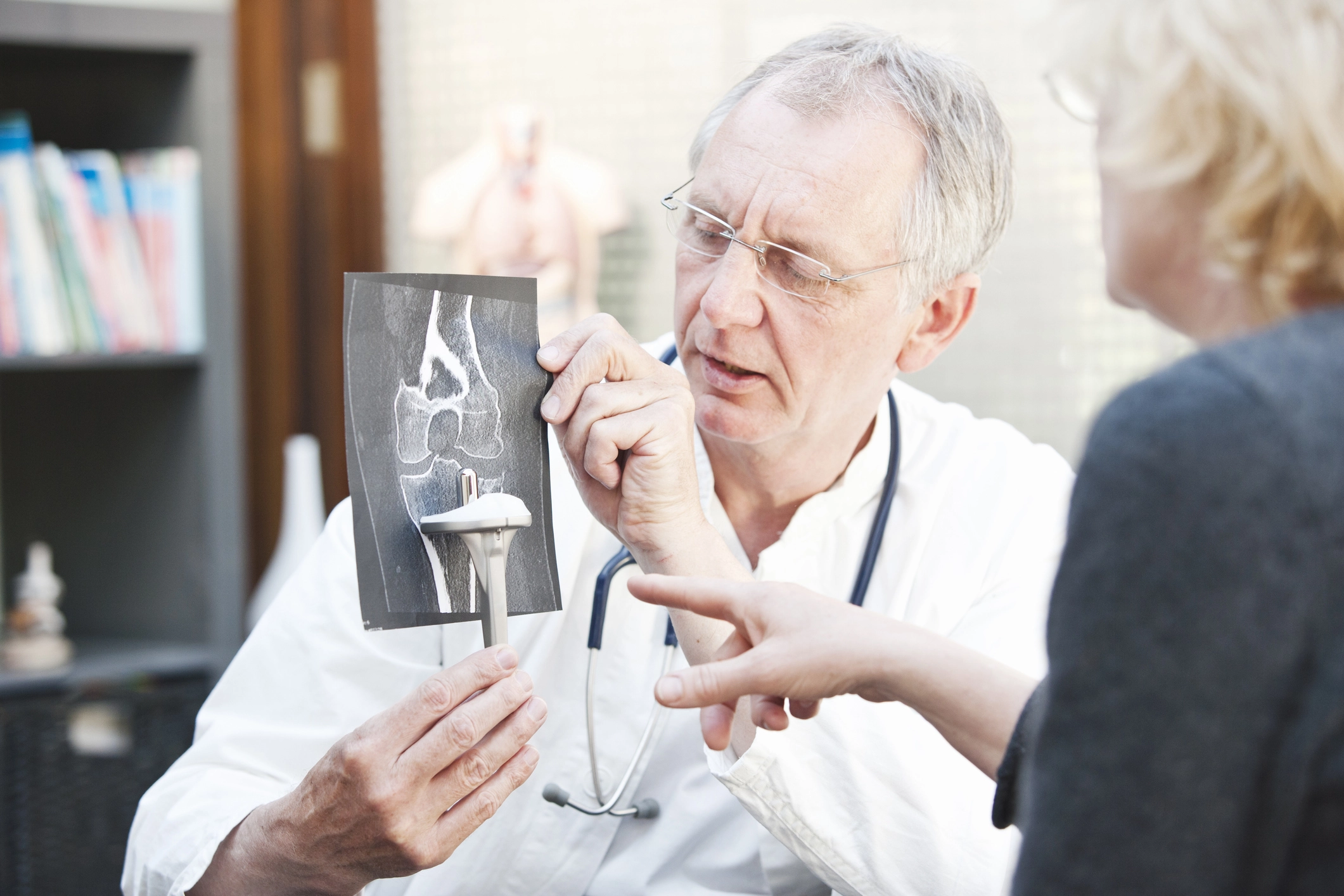

Orthopedic surgeons diagnose and treat physical conditions of the feet, and this includes bones, joints, ligaments, and muscles. When individuals experience chronic joint issues, these doctors evaluate the exact underlying structural problem. Medical professionals conduct thorough physical evaluations and develop practical treatment protocols for their patients. Here is more information on key qualities you should look for in an orthopedic surgeon:
Technical Dexterity
Surgeons operate with highly sophisticated surgical tools, and they execute exact movements during operations. This high level of technical dexterity requires exceptional hand-eye coordination from the medical provider. Because modern surgical procedures demand high physical precision, doctors must practice these manual skills constantly. Consistent physical repetition builds the necessary muscle memory for complex medical procedures.
If an operation requires exceptionally small incisions, very steady hands prevent unnecessary surrounding tissue damage. Firm manual control aims to lower the risk of errors, and this physical precision supports expected outcomes. Excellent motor skills define the most competent medical practitioners in this specific field of medicine. Patients should expect this high degree of physical capability throughout the entire procedure.
Specialized Skills
An orthopedic surgeon may dedicate their practice to very specific areas of the human body. Some practitioners specialize in knee replacements, while others treat exclusively complex spinal column conditions. Since medical science advances quite rapidly, this focused training keeps doctors updated on specific treatments.
When a doctor exclusively targets one specific joint, they develop a deeply nuanced understanding of its mechanics. This clinical focus actively refines their daily diagnostic capabilities in the medical office. Specialists typically treat similar cases repeatedly over the years, so they identify subtle physical changes very quickly. Targeted expertise greatly assists with planning an effective strategy.
General orthopedic doctors provide standard care, but specialized surgeons bring highly targeted expertise to specific conditions. As you evaluate your various healthcare options, look for doctors with specific board certifications in orthopedics. These official credentials effectively verify their advanced medical training in that exact field. A qualified doctor applies their targeted background directly to your specific medical condition.
Less Invasive Techniques
Modern orthopedic medicine offers numerous minimally invasive surgical approaches for various joint and muscle problems. While traditional open surgery still works well for large repairs, smaller incisions typically reduce average recovery time. Doctors use tiny cameras to view inside the body, and they operate through very small tubes. Here are a few minimally invasive medical options:
- Arthroscopic shoulder and knee joint repairs
- Microscopic nerve decompression procedures
- Small-incision outpatient spine surgeries
Robotic-assisted Capabilities
While doctors still control the entire procedure, robotic systems provide enhanced visualization of the surgical area. These advanced systems map the exact joint anatomy before the actual surgery physically begins. The robotic arms guide the surgeon’s instruments precisely, and this mechanical guidance prevents deviations from the surgical plan. Technology simply acts as a highly advanced tool in the hands of a skilled practitioner.
Find an Orthopedic Surgeon
You require a highly capable surgeon, so you must thoroughly research local specialists before committing. Before you schedule a major procedure, verify the specific background of your chosen medical provider. Review their specific technical capabilities and their available robotic surgery options during your first meeting. Contact a local orthopedic clinic today to schedule your initial consultation.
