
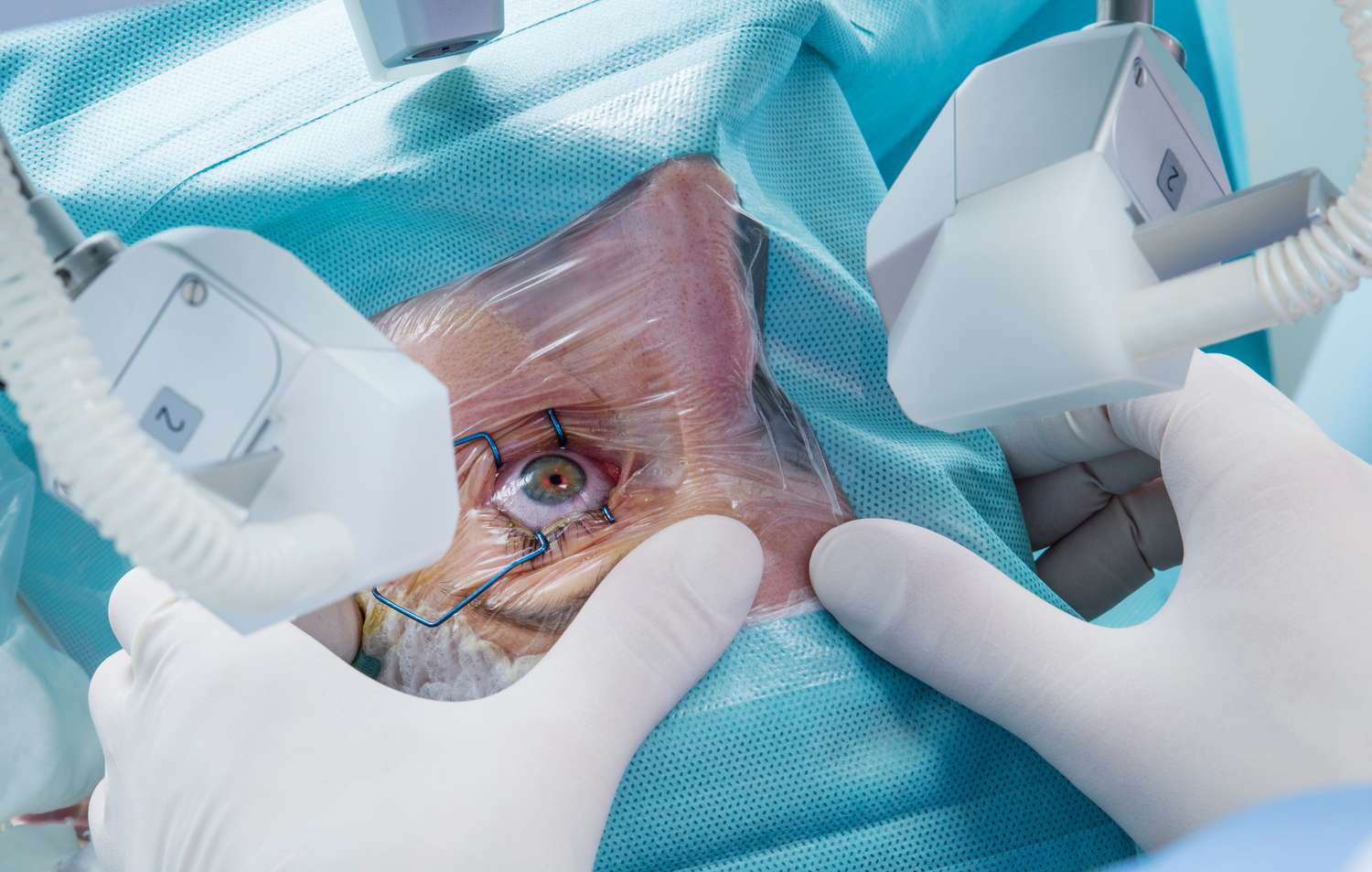

Laser cataract surgery is a significant advancement in modern eye care, combining precision technology with established surgical techniques to improve cataract treatment. The system can enhance accuracy during key steps of the procedure and support customized treatment planning. Here’s a closer look at the technology behind laser-assisted cataract surgery:
Shifting to Digital Precision
Surgeons traditionally use handheld instruments to make small incisions in the eye. A human hand creates these cuts, so the results can vary slightly between operations. Laser cataract surgery changes this process; it allows doctors to achieve exact measurements every time. The laser system uses a computer interface to guide the surgical tools. The software calculates the exact depth for the cuts, and the laser executes the plan flawlessly. Patients receive a highly customized treatment plan when surgeons use this digital approach.
Mapping the Eye
Eye doctors gather detailed images of the eye prior to the laser-assisted cataract procedure. The mapping phase produces a high-resolution 3D model, and the surgeon uses it to plan the incisions. Although every eye shares a basic structure, each patient has unique physical traits.
Advanced imaging technology measures the exact thickness of the cornea. The system scans the front portion of the eye, and it sends this data directly to the surgical computer. The laser relies on these measurements to place the cuts in the correct locations. These maps are fundamental for a successful operation. The visual data reveals any irregularities, and the surgeon adjusts the treatment accordingly.
Understanding the Laser’s Role
Once the imaging is complete, the laser performs specific tasks with extreme accuracy during the laser cataract surgery. Here’s what the laser does during the procedure:
- Making exact incisions in the cornea.
- Creating a circular opening to access the cataract.
- Softening the cataract for gentle removal.
Traditional methods use ultrasound energy to break up the cataract, but this can sometimes cause swelling. The laser cleanly divides the lens, which helps reduce the amount of ultrasound energy needed later.
Connecting Technology to Outcomes
The digital precision of laser-assisted cataract surgery lowers surgical risks and provides highly predictable results. When the incisions are perfectly round, the new artificial lens sits securely in the ideal position. Accurate lens placement is a fundamental factor for clear sight. The new artificial lens restores normal vision, and it can correct preexisting refractive errors. Patients who choose laser-assisted cataract surgery often see a significant improvement in their daily routines.
The laser also corrects astigmatism during the same procedure. The surgeon programs the laser to reshape the cornea, and this step fixes the irregular curvature. This capability is a key benefit for individuals who want to reduce their dependence on glasses. Recovery times often vary among different individuals. Patients often report a quick return to their normal routines, but doctors still advise caution during the first week.
Book Your Laser Cataract Surgery Appointment
Laser cataract surgery uses advanced imaging and computer-guided lasers. This technology replaces several manual steps, and it creates a highly precise surgical environment. Contact a qualified ophthalmologist in your area to book your laser-assisted cataract surgery appointment today.
