
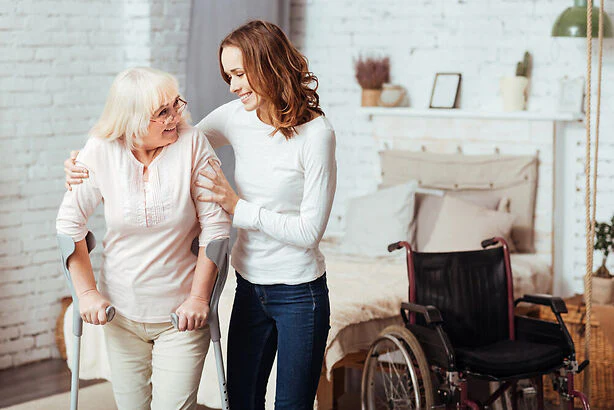

Geriatrics is a medical specialty, and it focuses entirely on the unique health needs of older adults. Because aging naturally changes the human body, older individuals frequently face new and complex physical challenges. Mobility issues arise often in this population, and these limitations affect their daily routines and habits. Here is more information on addressing mobility issues with these patients:
Offering Telehealth Services
While office visits require travel, telehealth appointments happen entirely over remote connections. Older patients stay inside their own secure living spaces during these remote medical consultations. Providers discuss physical symptoms over the phone, or they use secure online medical platforms instead. These convenient remote appointments remove the physical stress of traveling to a busy clinic.
Doctors who work in geriatrics review current medication lists remotely, and they ask specific questions about new physical discomfort. Because patients skip the clinic trip, they avoid exhausting long walks across parking lots. Telehealth directly helps geriatric patients who have severe daily movement restrictions and chronic pain. This modern method bypasses the need to navigate crowded waiting rooms and narrow hallways.
Providing Home Visits
When geriatric patients struggle with travel, dedicated medical providers visit them directly at their houses. In-home assessments evaluate physical mobility, and they help visiting doctors spot dangerous environmental risks immediately. These personalized home visits drastically reduce the physical strain on an already fragile older patient. The medical team reviews the living space to identify potential hazards, such as loose floorboards.
Doctors observe the patient walking through the room, but they also check for hidden fall hazards. Steep stairs present a dangerous obstacle for many older individuals living alone. If thick rugs block a narrow hallway, the healthcare provider notes the specific safety risk. Providers then recommend practical modifications to make the home environment safer for daily navigation.
Home visits provide a very realistic view of the patient’s actual daily movement routines. Physical therapists teach safe movement techniques, and they suggest specific mobility aids for the patient. Because providers visit the home, they see exactly how these individuals navigate their personal living areas. This hands-on approach directly addresses the immediate physical barriers inside the private residence.
Utilizing Video Chat
Engaging in a video chat requires a few specific technological tools for a successful appointment. When the digital camera is active, doctors evaluate posture and balance from a remote location. Video calls add a helpful visual component, and providers observe patient movements through the screen. Patients gather the following basic items for this helpful medical setup:
- A working smartphone or a modern tablet
- A stable internet connection for clear video
- A quiet room with bright overhead lighting
Offering Accessible Entrances
If older patients visit the physical clinic, the medical buildings need accessible outdoor pathways. Smooth ramps replace steep concrete stairs at the main doors of the healthcare facility. Wide interior hallways comfortably accommodate standard wheelchairs and oversized medical walkers without any tight bottlenecks.
Find Geriatrics Near You
You require the right medical care, so search for nearby geriatric providers in your area today. Local specialty clinics treat older adults dealing with severe mobility limitations and other physical challenges. Call a geriatric specialist near your home before your mobility changes further down the road. Schedule your initial medical appointment right now to address your specific movement concerns.
