
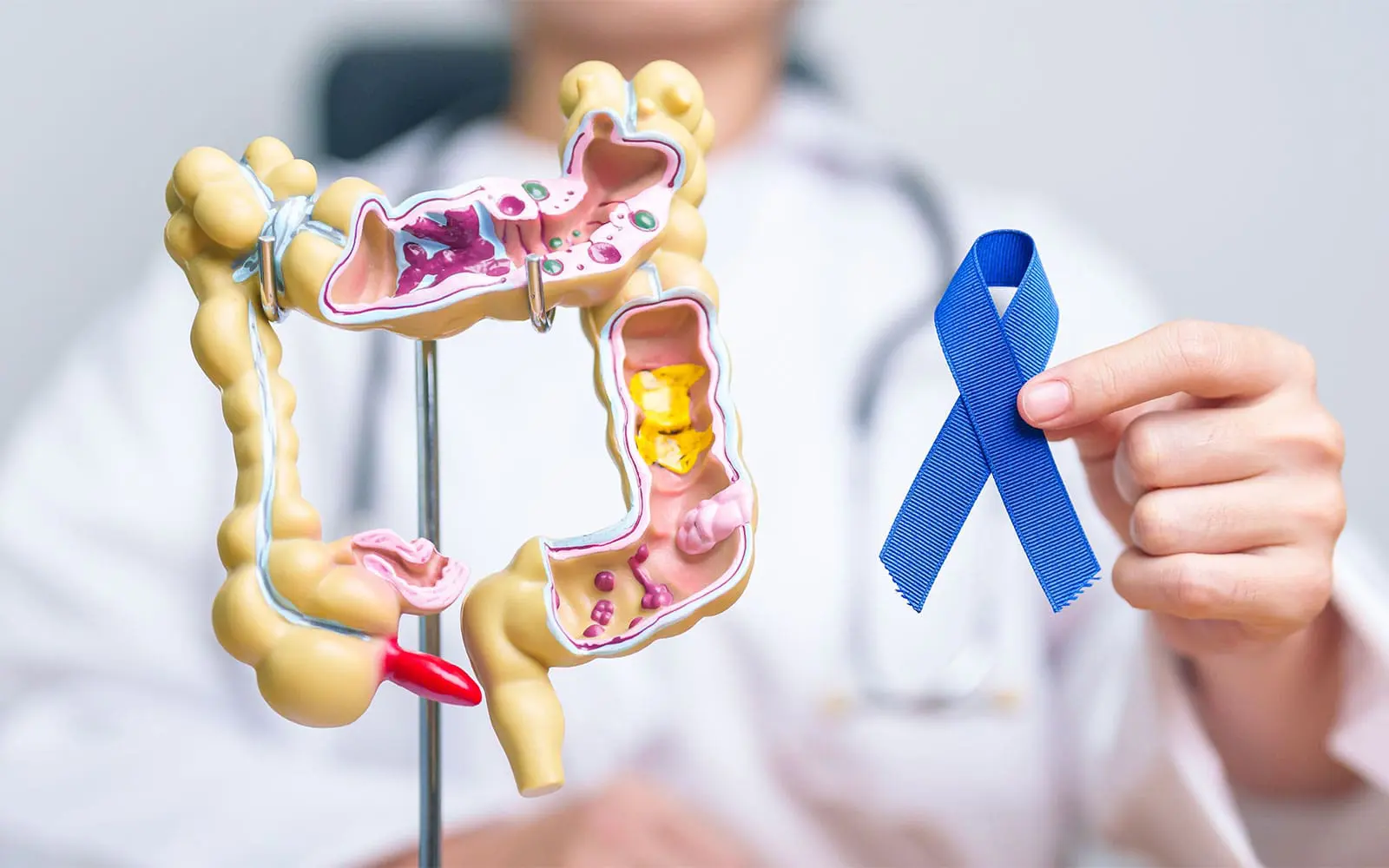

When you schedule regular colon cancer screenings, doctors look closely for internal physical changes. Medical teams use these targeted tests to examine your large intestine completely. The tests spot abnormal cells quickly, and they give doctors a clear view inside your body. This is why regular colon cancer screenings are helpful for early detection:
Guiding Treatment
When doctors fully understand what has been detected, they plan specific medical treatments quickly. Treatment plans target the disease directly, and they keep your body strong during recovery. Medical teams use the colon cancer screening details for several specific medical steps:
- Locating the exact tumor position.
- Planning the precise surgical approach.
- Deciding on specific medication needs.
- Organizing future follow-up appointments.
Treatment begins with a clear strategy tailored to your unique condition, making sure every step is purposeful and effective. Doctors may combine surgery and medication to achieve the ideal outcome, focusing on both removing the tumor and preventing recurrence. While recovery times can vary, adhering to follow-up care and prescribed treatments is helpful for long-term health and healing.
Finding Polyps
Doctors look for small tissue growths called polyps during the visual exam. Most polyps remain completely harmless, but some turn into cancer over time. Because these polyps grow at a slow pace, regular tests track their size. Medical staff removes these suspicious growths safely right during the initial procedure.
Removing these small polyps stops cancer development, and it protects your internal health directly. While you might feel completely fine, polyps grow without causing any noticeable physical symptoms. Screenings find these silent growths early during the examination process. Doctors always send the removed tissue to a lab for complete microscopic testing.
After the lab tests the removed tissue, your doctor explains the specific results clearly. The detailed pathology report shows the exact polyp type to your medical team. Some growth types need close monitoring, or they require a follow-up test very soon. This precise medical information guides your exact future screening schedule without any guessing.
Catching Cancer Early
Early disease detection may improve your medical outlook significantly after the initial diagnosis. If a test finds cancer early, doctors have many more safe treatment options available. Small tumors stay localized, and they do not spread to other major organs. Patients typically recover faster from these early-stage medical treatments.
Doctors use flexible scopes to find small tumors, and they take biopsies very safely. Early-stage colon cancer rarely causes any physical pain during your daily activities. While the disease remains strictly in the colon, surgery works very well for patients. Routine medical checks catch the disease safely in this highly manageable early phase.
Ruling Out Cancer
A completely clear test result typically brings immense relief to patients. The screening finds absolutely no cancer, and you avoid unnecessary medical worry immediately. Because harmless symptoms mimic other serious issues, a clear test explains your stomach pain safely. Doctors look for other minor digestive problems to heal your discomfort completely.
Schedule Colon Cancer Screenings
Before you reach age 45, talk to your primary doctor about testing options. Medical professionals offer different types of safe screening methods for your specific needs. You choose a comfortable testing option, and the health clinic sets an exact appointment time. Call your local medical clinic to schedule your colon cancer screening today.
