
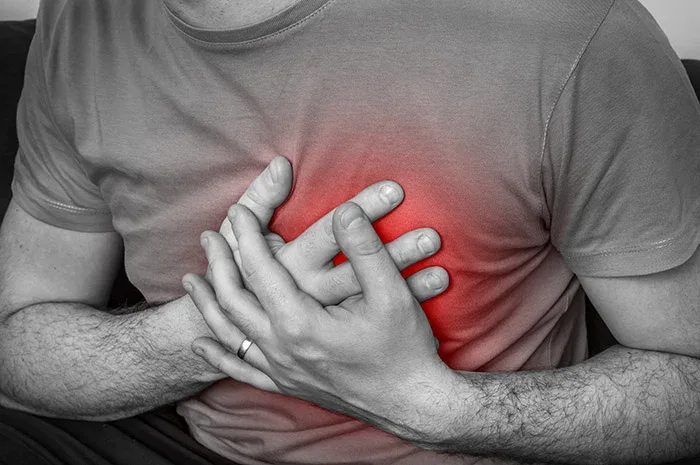

Heart disease is one of the leading health concerns worldwide. Many people assume heart problems happen suddenly, but in reality the body often gives early warning signs. Unfortunately, these signs are sometimes ignored or mistaken for minor health issues.
Understanding the early symptoms of heart disease can help you seek medical care before a serious complication occurs. Early detection plays a key role in preventing heart attacks, strokes, and other cardiovascular problems.
In this article, we will explore the most common warning signs of heart disease and explain when you should consider consulting a healthcare professional.
Understanding Heart Disease
Heart disease refers to several conditions that affect the heart and blood vessels. The most common type is coronary artery disease, which occurs when plaque builds up in the arteries that supply blood to the heart.
Over time, this buildup can restrict blood flow and increase the risk of a heart attack. However, lifestyle factors such as diet, exercise, smoking, and stress can significantly influence heart health.
Because heart disease develops gradually, recognizing the early symptoms can make a major difference in treatment outcomes.
1. Chest Pain or Discomfort
Chest pain is one of the most well-known symptoms of heart disease. It may feel like pressure, tightness, or burning in the chest.
Some people describe it as a heavy weight sitting on their chest. The pain may last for a few minutes or come and go.
Although chest pain can sometimes be caused by other conditions, persistent discomfort should never be ignored.
2. Shortness of Breath
Shortness of breath can occur when the heart cannot pump blood effectively. As a result, oxygen levels in the body may decrease.
You might notice this symptom during simple activities like walking, climbing stairs, or even resting.
If breathing difficulties appear suddenly or worsen over time, it is important to seek medical advice.
3. Fatigue and Weakness
Extreme fatigue that does not improve with rest may be a warning sign of heart problems. When the heart struggles to pump blood efficiently, the body receives less oxygen and nutrients.
As a result, you may feel unusually tired even after light physical activity.
This symptom is especially common in people who are developing heart disease gradually.
4. Pain in the Arms, Neck, or Jaw
Heart-related pain does not always stay in the chest. In many cases, the discomfort spreads to other areas of the body.
Common areas include:
- Left arm
- Shoulders
- Neck
- Jaw
- Upper back
This type of pain is known as radiating pain and may indicate a serious cardiovascular issue.
5. Dizziness or Lightheadedness
Feeling dizzy or faint can sometimes be linked to heart problems. This may happen when the heart cannot deliver enough blood to the brain.
Occasional dizziness may not be serious. However, frequent or sudden episodes should be evaluated by a healthcare professional.
6. Irregular Heartbeat
An irregular heartbeat, also called arrhythmia, may feel like the heart is fluttering, skipping beats, or racing.
Although occasional palpitations can occur due to stress or caffeine, persistent irregular heartbeats may signal an underlying heart condition.
7. Swelling in Legs, Ankles, or Feet
Swelling in the lower body can occur when the heart is unable to circulate blood properly.
This condition causes fluid to build up in the tissues, especially in the legs and ankles.
Persistent swelling may indicate heart failure or other cardiovascular complications.
8. Nausea or Loss of Appetite
Some individuals experience digestive symptoms when dealing with heart disease. These may include nausea, indigestion, or a sudden loss of appetite.
Because these symptoms can resemble stomach problems, they are often overlooked.
However, when combined with other warning signs, they may indicate heart trouble.
9. Excessive Sweating
Sudden sweating without physical activity can be a concerning symptom. Many people experiencing a heart attack report cold sweats.
If sweating occurs alongside chest discomfort or dizziness, immediate medical attention may be necessary.
10. Persistent Cough
A chronic cough that produces white or pink mucus may indicate fluid buildup in the lungs.
This can occur when the heart struggles to pump blood efficiently. While coughing can be caused by many conditions, persistent symptoms should be evaluated by a doctor.
Risk Factors That Increase Heart Disease
Several factors can increase the risk of developing heart disease. These include both lifestyle choices and medical conditions.
Common risk factors include:
- High blood pressure
- High cholesterol
- Smoking
- Obesity
- Lack of physical activity
- Diabetes
- Chronic stress
- Family history of heart disease
Managing these risk factors can significantly reduce the chances of developing serious heart conditions.
Tips to Protect Your Heart Health
Fortunately, many heart problems can be prevented through healthy lifestyle habits.
Here are a few important tips:
- Eat a balanced diet rich in fruits and vegetables
- Exercise regularly
- Maintain a healthy weight
- Avoid smoking and limit alcohol
- Manage stress effectively
- Schedule regular health checkups
Small daily habits can have a powerful impact on long-term heart health.
Conclusion
Heart disease often develops silently over time, but the body frequently provides early warning signals. Recognizing these symptoms can help you take action before a serious complication occurs.
If you experience persistent chest pain, shortness of breath, unusual fatigue, or other concerning symptoms, it is important to seek medical advice.
Prioritizing heart health through regular exercise, a balanced diet, and routine medical checkups can significantly reduce the risk of cardiovascular disease.
Taking care of your heart today can lead to a healthier future.
FAQs
1. What are the earliest signs of heart disease?
Early signs may include fatigue, chest discomfort, shortness of breath, dizziness, and irregular heartbeat. These symptoms can appear gradually and should not be ignored.
2. Can heart disease occur without chest pain?
Yes. Some people experience symptoms like fatigue, nausea, or shortness of breath without noticeable chest pain.
3. Who is most at risk for heart disease?
Individuals with high blood pressure, high cholesterol, diabetes, obesity, or a family history of heart disease are at higher risk.
4. How can I reduce my risk of heart disease?
You can reduce your risk by eating healthy foods, exercising regularly, quitting smoking, managing stress, and maintaining a healthy weight.
5. When should I see a doctor for heart symptoms?
You should seek medical attention if you experience persistent chest pain, severe shortness of breath, dizziness, or unusual fatigue.
