
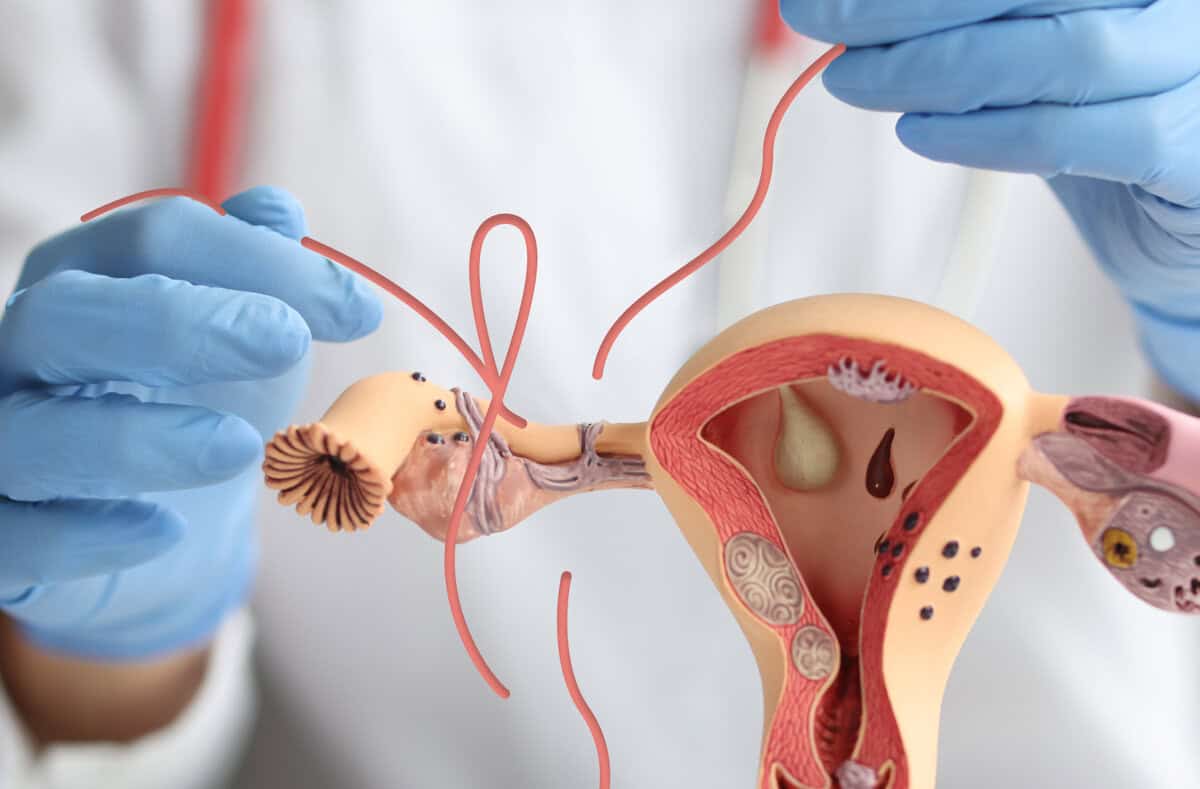

Physicians used to view tubal ligation as a permanent choice, but medical advancements now provide viable options for proper reversal. Women who have previously undergone tubal ligation as a birth control method may choose to restore their natural fertility. Tubal reversal surgery offers a pathway to achieve pregnancy without the need for alternative fertility treatments like in vitro fertilization. This procedure reconnects the fallopian tubes, allowing the natural conception process to take place. Knowing what happens before, during, and after the operation helps patients make informed medical decisions regarding their reproductive health.
What Is Tubal Reversal?
Tubal reversal is an outpatient surgical operation designed to restore a woman’s ability to become pregnant naturally. Surgeons perform this operation by making tiny incisions to access the fallopian tubes and reconstruct those that were previously blocked or cut. Reconnecting these pathways creates an avenue for an egg to travel from the ovaries to the uterus, where sperm can successfully fertilize it. The minimally invasive nature of the technique allows patients to return home on the same day as the procedure.
Who Is It For?
Medical professionals evaluate several factors to determine if a patient qualifies for this operation. A fertility specialist will conduct a thorough review of the patient’s medical background, including any current medications and their overall reproductive health. Doctors perform physical examinations and might order diagnostic imaging, such as an ultrasound, to inspect the condition of the fallopian tubes and surrounding reproductive organs. This evaluation helps confirm that there is enough healthy tissue remaining to successfully reconstruct the tubes.
Candidates are generally individuals who regret a past permanent birth control decision and possess an active desire to conceive a child naturally. Age and underlying health conditions play a role in determining eligibility for the operation. The type of initial tubal ligation procedure performed also dictates the viability of a reversal, as procedures that removed only a small portion of the fallopian tube generally have a higher success rate for reversal than those that removed the entire tube.
What Should You Expect?
Preparing for the operation involves following specific directions from a healthcare provider. Patients may need to pause certain prescriptions and must avoid eating or drinking on the morning of the surgery. Because the process requires anesthesia, individuals need to arrange for a driver to take them home.
On the day of the appointment, patients may need to arrive about 90 minutes before the scheduled time. Medical staff will provide a hospital gown and administer medication to induce sleep. The surgical reconstruction of the fallopian tubes takes approximately one to two hours to complete. Following the operation, individuals spend a few more hours in a recovery room and undergo observation before receiving discharge approval.
The post-operative phase requires rest. Patients tend to experience mild tenderness around the incision sites, which may be relieved by applying a heating pad. Full recovery takes roughly two weeks. Doctors advise against heavy lifting or strenuous exercise during this healing window. Most individuals can resume their standard work schedules within a few days, and a follow-up appointment takes place a couple of weeks after the surgery to monitor healing progress.
Meet With a Fertility Specialist
Restoring natural fertility requires thorough planning and expert medical guidance; taking the first step involves scheduling a consultation with a medical professional. During this meeting, doctors will review specific patient questions, evaluate past surgical records, and outline a tailored treatment strategy. By working closely with a qualified medical team, patients gain a clear understanding of their reproductive options and gain clarity on the steps necessary to achieve a healthy pregnancy.
