
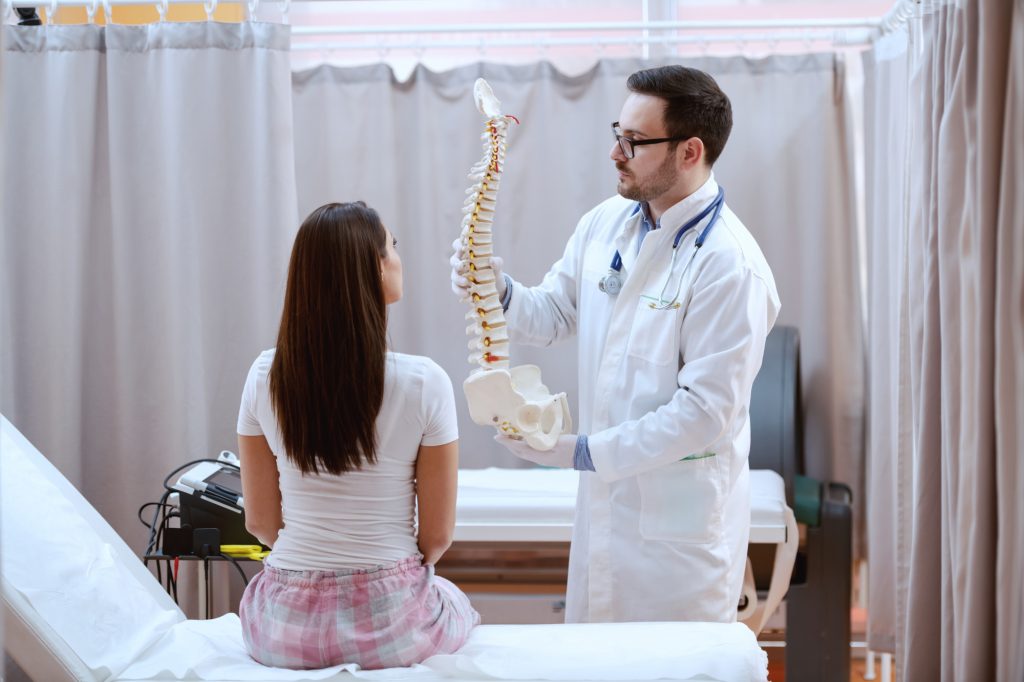

Spinal care involves evaluation and management of the back, neck, and spine, with treatment plans guided by symptoms and physical function. Providers may assess movement and spinal mechanics, then recommend targeted interventions based on clinical findings. Possible approaches include massage therapy, cold laser therapy, and spinal decompression; each one addresses different aspects of musculoskeletal or structural function. These services may be used individually or in combination, depending on the patient’s evaluation and treatment objectives. Here’s information about various approaches to spinal care:
Reviewing Spinal Care
Spinal care integrates multiple service types, including manual therapy, in-office modalities, movement instruction, and follow-up care. Evaluation typically begins with a review of symptoms and daily activities. Specialists may also assess posture, physical function, range of motion, and muscle tension. This initial assessment guides treatment planning. Back and neck conditions can have different underlying causes, so providers evaluate multiple contributing factors. These sometimes include muscle tightness, repetitive movement, spinal loading, and reduced flexibility, enabling them to determine an appropriate course of care.
Using Massage Therapy
Massage therapy focuses on muscles and soft tissue near the spine, shoulders, hips, and neck. Providers use this therapy to target stiffness and movement limits that may affect posture and daily function. During a session, the provider utilizes manual techniques to target specific areas. Some sessions address larger muscle groups; others focus on smaller areas with visible tightness or restricted movement. The exact method depends on the treatment plan and the area being worked on.
This type of therapy often fits into a broader routine instead of serving as a single stand-alone visit. A provider may pair it with stretching, posture instruction, or guided exercises. Massage therapy is also used in combination with chiropractic care; this helps loosen the muscles to promote better results from chiropractic manipulations.
Exploring Cold Laser Therapy
Cold laser therapy is another approach used in some spinal care practices. This service uses low-level light applied to a targeted area of the body. It is non-invasive and office-based, and it may be included in treatment plans that also involve physical guidance or manual care.
Before using cold laser therapy, the provider identifies the area that needs attention through an exam or a review of earlier findings. Sessions can be short, and the treatment focuses on a specific location near the back, neck, or surrounding soft tissue. Because the service is targeted, a careful assessment is fundamental.
The potential benefits of cold laser therapy include:
- Reduced pain
- Quicker healing
- Reduced reliance on medication
- Improved quality of life
Understanding Spinal Decompression
Spinal decompression focuses on reducing pressure in selected areas of the spine; it involves controlled positioning and mechanical traction. Providers may contemplate this service when they want to address spinal loading patterns or discuss disc space and pressure-related findings. During a session, the spine is gently stretched in a controlled manner to reduce compressive forces and support improved alignment and mobility. Sessions are typically guided by clinical assessment and adjusted based on patient response and treatment goals.
Learn More About Spinal Care
Spinal care includes a range of methods, and each serves a distinct clinical purpose, whether managing lower back pain or a herniated disc. Options include massage therapy, cold laser therapy, and spinal decompression, which may be incorporated into a comprehensive treatment plan. To determine the most appropriate approach for your condition, schedule an evaluation with a qualified provider.
