
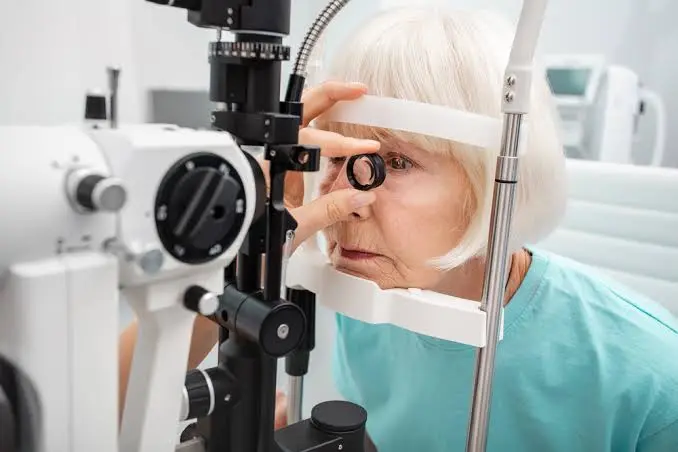

Glaucoma damages the optic nerve, and this damage is typically linked to high pressure inside your eye. The condition develops slowly, so many people notice nothing until vision starts to fade. Since early detection matters, doctors screen for glaucoma during routine eye exams, and treatment focuses on lowering eye pressure to slow further harm. Here is more information on how doctors treat glaucoma:
Prescription-strength Eye Drops
Eye drops may be the first treatment doctors prescribe. Some drops reduce fluid production, while others help fluid drain away faster. When you use these drops daily, you keep eye pressure within a safer range.
Doctors match the drop type to your specific needs, and they monitor how your eyes respond. A few categories include:
- Prostaglandins to improve fluid drainage
- Beta blockers to lower fluid production
- Alpha agonists to do both
You apply most drops once or twice a day. Since consistency affects results, doctors review your routine at follow-up visits. They adjust the prescription if pressure stays high.
Laser-assisted Treatment
Laser procedures offer another way to manage eye pressure. A doctor uses a focused beam to open drainage channels, and the session usually takes only a few minutes. When drops alone fall short, this option helps.
Several laser methods exist, and your doctor selects one based on your glaucoma type. Trabeculoplasty targets the drainage angle in open-angle glaucoma. Iridotomy creates a tiny opening for angle-closure glaucoma. Since the procedure happens in the office, you go home the same day.
Oral Medications
Sometimes drops and procedures need extra support. Doctors may prescribe oral medication to lower eye pressure further, and they often use this for short periods. When pressure spikes suddenly, pills act as a quick measure. Carbonic anhydrase inhibitors are another oral option. These tablets reduce fluid production inside the eye. Since they sometimes cause side effects, your doctor reviews your full health history first. Surgical Procedures
Surgery becomes an option when drops and lasers do not control pressure well. Doctors create a new drainage path so fluid leaves the eye more easily. While each surgery carries some risk, the goal stays the same: protect remaining vision.
Trabeculectomy is a standard procedure, and it forms a small flap that releases fluid. A surgeon may also place a tiny drainage device inside the eye. Since recovery takes time, your doctor schedules several checkups afterward.
Minimally invasive glaucoma surgery (MIGS) suits milder cases. These techniques use very small openings, so recovery may be quicker. Your doctor explains which approach fits your situation and walks you through what to expect. They watch for reactions and adjust the treatment as needed.
Get Treated for Glaucoma
Glaucoma needs steady, ongoing care from a trained eye doctor. Treatment plans vary, and your doctor builds one around your specific diagnosis. When you stick with regular appointments, you give your eyes consistent attention. Early action gives you more treatment choices, and because glaucoma progresses quietly, do not wait for symptoms to appear. Call your eye care provider today and book an appointment to check your eye health.
