
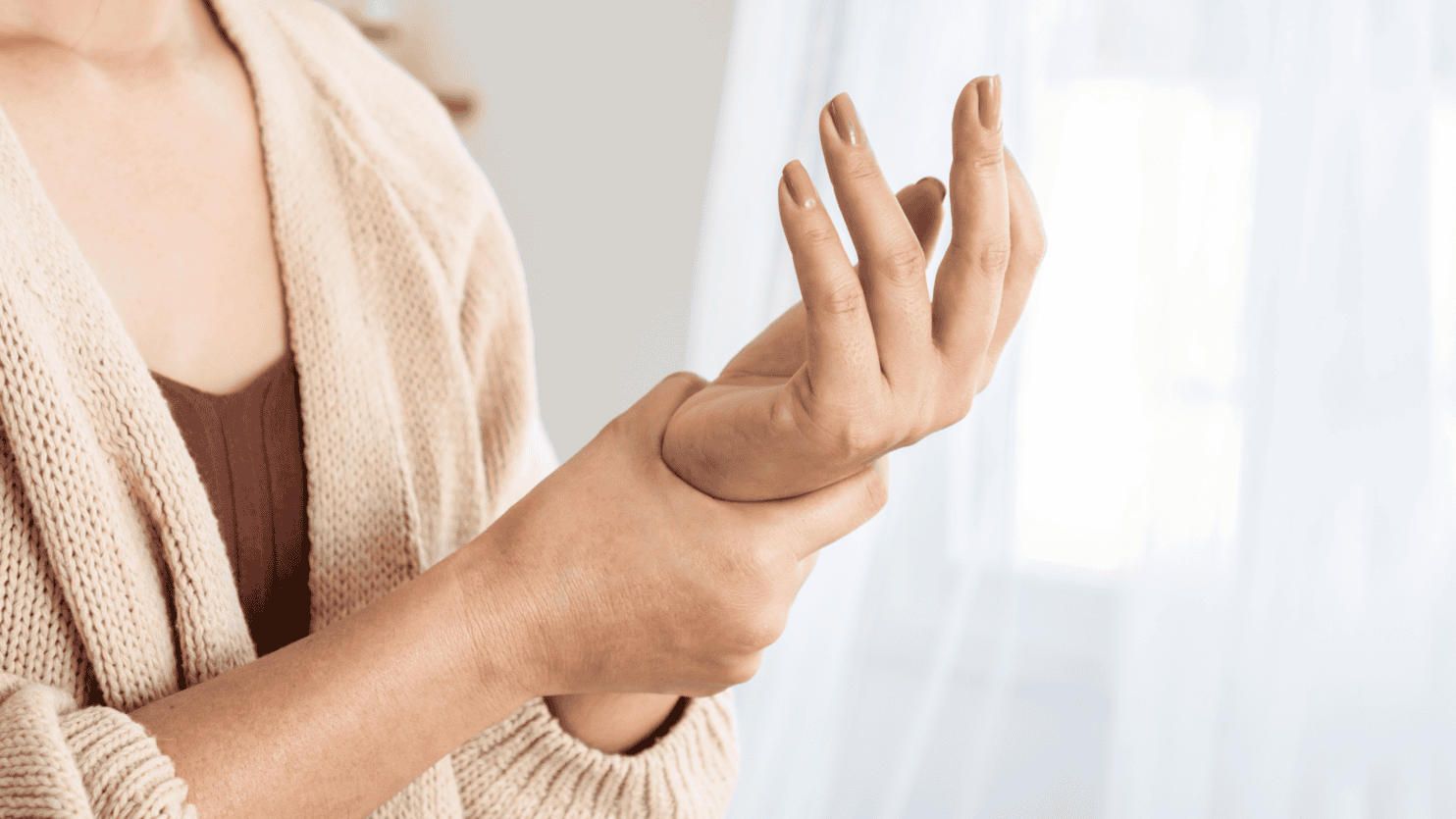

Nerve pain requires targeted medical care. Neurological conditions affect millions, and these disorders demand precise treatments. When standard methods fail, patients seek alternatives.
Understand Post-Herpetic Neuralgia
Shingles creates blisters, but nerve irritation may persist after the rash heals. Post-herpetic neuralgia affects the original shingles rash area. Damaged nerve fibers send abnormal signals. Since nerve pain can persist, normal touch is sometimes uncomfortable. The discomfort often causes burning, stabbing, tingling, or electric sensations. Track when symptoms worsen. A simple symptom log helps your clinician compare triggers, treatments, and changes over time. Include sleep quality, activity level, medication timing, and skin sensitivity.
This information supports practical decisions, and it can make follow-up visits more useful. Your clinician reviews your shingles history and examines the affected skin for other causes. Also tell your clinician about diabetes, immune conditions, and previous shingles treatment. These details matter because they affect medication choices and monitoring needs. If symptoms remain active, your provider will discuss topical medicines, oral medicines, nerve blocks, or other options. Ketamine infusion therapy may be used when standard care has not met your needs. A clinician should explain the process, risks, and follow-up plan before treatment begins. Ask how each option fits your health history, since they aid an individual plan.
Recognize Occipital Neuralgia
Occipital neuralgia causes pain at the skull base. This ache can spread upward, and it may reach the back of your head. Your clinician may press along the occipital nerves, review your neck movement, and discuss symptom patterns. Imaging or nerve blocks may be used when the diagnosis remains unclear. Bring clear notes to your appointment:
- Pain quality, such as sharp, shocking, burning, or throbbing
- Symptom triggers, including sudden movements, posture, screen time, sleep position, stress, or recent neck strain
- Related symptoms, such as neck stiffness, headaches, or pain behind one eye
- What helps, including rest, position changes, or short breaks from screen use
This record helps your clinician connect symptoms while supporting daily habits. Rest sometimes provides temporary comfort, but treatment should address likely contributors. Posture changes can reduce pressure, and ergonomic adjustments support your neck at work. Gentle stretching helps some people, but stop if pain increases. Ketamine therapy may be an option when other treatments have not worked. It is available as an IV infusion, nasal spray, pill, or dissolving tablet. Your clinician should explain benefits and risks before treatment begins.
Discuss Pudendal Neuralgia
Sitting often worsens symptoms, and standing or lying down reduces some pressure. Symptoms can be a burning, aching, sharp, or numb sensation. A symptom log can show treatment response. Some people notice tingling, pressure, or a foreign-body sensation. Since pelvic pain has many causes, your clinician may review several systems. They may ask about urinary symptoms, bowel changes, childbirth history, surgery, injuries, and exercise habits. A careful exam can assess nerve sensitivity, so your provider can understand the pain. Imaging, nerve blocks, or referral to pelvic health specialists can support the diagnosis. Treatment often starts with practical changes.
Schedule Your Nerve Pain Evaluation
Proper symptom identification guides medical decisions. You know your available options, so you should contact a specialist. After reviewing these conditions, schedule a formal consultation. Timely intervention can prevent further damage. Your health matters, and professionals want to support your recovery.
