
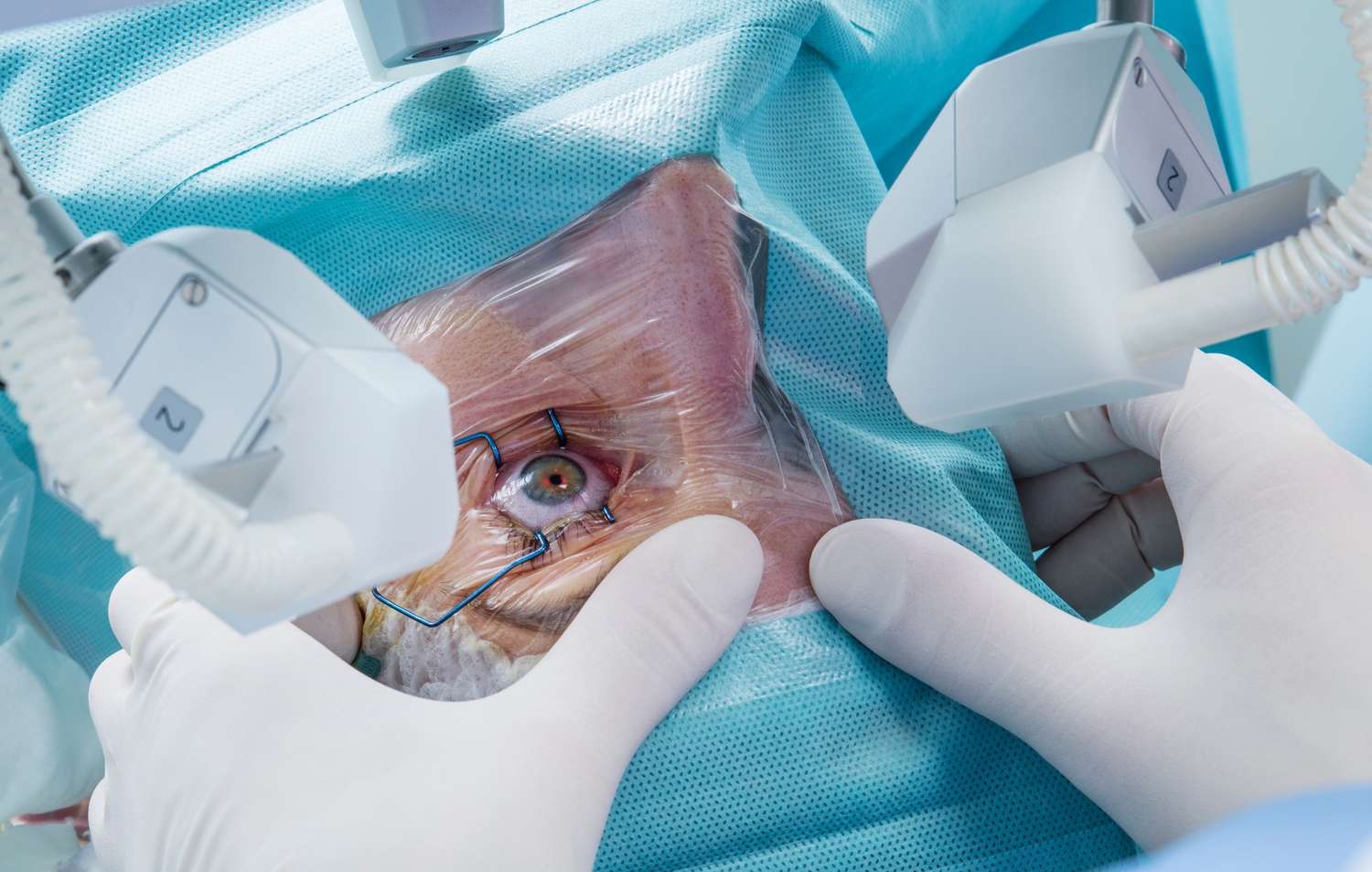

Cataracts cloud the eye’s natural lens, and they reduce vision over time. Laser cataract surgery uses computer-guided technology. It helps surgeons perform each step with precision. If you are discussing treatment, you may want to understand how the procedure works and what benefits it can offer.
Understanding Corneal Incisions
The cataract surgery surgeon creates a corneal incision to access the eye’s interior. A laser guides this step, and it produces an opening with consistent depth. Traditional methods use manual blades, but the laser follows a mapped plan, improving accuracy. The incision often self-seals, which means stitches are usually unnecessary. Each step follows a predetermined pattern, and this supports a more repeatable result. The size and placement of the corneal incision affect how the eye heals. A laser creates a smaller, more uniform opening than a manual blade, and this may lower the risk of complications. The laser maps the eye before cutting, allowing the surgeon to plan the incision with precision.
Performing the Anterior Capsulotomy
An anterior capsulotomy opens the thin membrane surrounding the lens. The laser creates a circular opening, and it centers this opening carefully. When the opening is well-positioned, the surgeon can place the new lens in a stable location. Manual techniques depend on the surgeon’s hand, but the laser uses imaging data, reducing variability. A centered capsulotomy helps the lens sit correctly, and it may support clearer vision afterward.
This precision matters for the overall outcome, so the size and shape of the capsulotomy opening influence how the artificial lens performs. A laser produces a rounder, more symmetrical opening than a manual technique, and this supports better lens stability. When the lens sits evenly, light focuses more consistently on the retina. The laser also measures the eye before the procedure, and this data guides the opening’s exact dimensions. Each of these factors contributes to the overall quality of your outcome.
Discussing Cataract Removal Steps
Cataract removal separates the clouded lens from the surrounding tissue, since this is what causes symptoms. The laser can soften the lens first. This reduces the energy needed during removal. Less energy means gentler treatment for nearby structures, which may protect the delicate corneal cells. Surgeons often use ultrasound to break up the lens, but laser softening can shorten this stage and smooth recovery. Once the cataract is removed, the surgeon inserts a clear artificial lens. This new lens restores the eye’s focusing ability.
- The laser softens the lens before removal, reducing the ultrasound energy needed during the procedure.
- Lower energy levels mean less stress on surrounding structures, including the sensitive corneal cells.
- Laser pre-treatment can shorten the ultrasound stage, which may support a smoother recovery.
- Once the cataract is removed, a clear artificial lens is inserted to restore the eye’s focusing ability.
Book Your Cataract Surgery Consultation
Laser cataract surgery combines mapping, imaging, and automation to guide each step. You now understand the roles of incisions, capsulotomies, and removals, and you can weigh your option. If cataracts affect your daily activities, or if your vision continues to decline, consider speaking with an eye specialist. A consultation lets you review your specific needs, and it helps you decide on the right approach. Contact your ophthalmologist to schedule an appointment today.
