
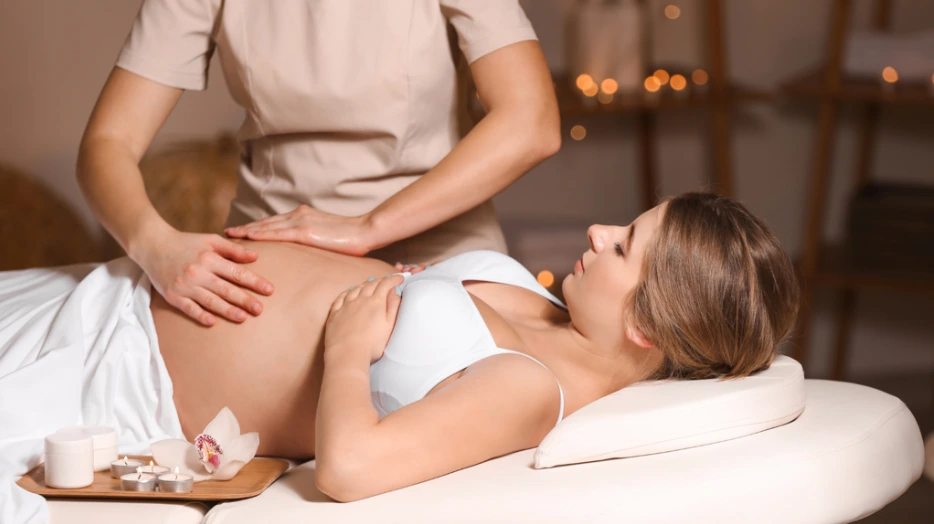

Pregnancy brings significant physical and emotional changes that can affect daily comfort and wellbeing. As the body adapts to support a growing baby, many experienced symptoms such as back pain, muscle tension, swelling, and fatigue. For this reason, prenatal massage has become a commonly discussed wellness option during pregnancy.
Understanding what a pregnancy massage involves, when it may be appropriate, and the potential benefits and risks can help individuals make informed decisions. Whether you are considering your first session or simply researching available options, it is important to understand how prenatal massage differs from traditional massage treatments.
What Is Prenatal Massage?
Prenatal massage is a specialized form of massage therapy designed to accommodate the physical changes that occur during pregnancy. Unlike standard massage treatments, prenatal massage techniques are modified to support comfort and safety for both the mother and baby.
Therapists typically use positioning aids, supportive cushions, and gentle techniques to reduce pressure on the abdomen while targeting common areas of discomfort such as the lower back, hips, shoulders, and legs. This approach aims to promote relaxation while addressing pregnancy-related tension.
Understanding Prenatal Massage Techniques
Prenatal massage incorporates modified techniques designed to support the changing needs of the body throughout pregnancy. Rather than focusing on intensive pressure, treatments typically emphasize comfort, relaxation, and gentle muscle relief. Therapists often use supportive cushions and side-lying positions to accommodate the growing abdomen while minimizing strain on the body.
Common techniques may focus on areas that frequently experience discomfort during pregnancy, including the lower back, hips, shoulders, neck, and legs. Gentle movements and controlled pressure are used to help ease tension while promoting a more comfortable treatment experience. The specific approach may vary depending on the stage of pregnancy and individual health considerations.
How Prenatal Massage Supports Physical Comfort
As pregnancy progresses, changes in posture, weight distribution, and hormone levels can place additional stress on muscles and joints. Prenatal massage is commonly used to address these physical changes by encouraging relaxation and reducing muscular tension in areas affected by daily movement and activity.
The treatment may also support circulation and temporary relief from feelings of heaviness in the legs and feet. While prenatal massage is not intended to replace medical care, many individuals include it as part of a broader wellness routine aimed at maintaining comfort throughout pregnancy.
What To Expect During a Prenatal Massage
A prenatal massage session generally begins with a discussion about the stage of pregnancy, current symptoms, and any medical considerations. The therapist may adjust positioning depending on individual comfort and trimester requirements.
Most sessions focus on reducing muscle tension, encouraging circulation, and supporting relaxation. Pressure is usually lighter than that used during deep tissue treatments, although techniques can vary depending on the individual’s needs and healthcare recommendations.
When Should You Get a Prenatal Massage?
Many healthcare professionals recommend waiting until the second trimester before beginning regular prenatal massage sessions. During the first trimester, some individuals prefer to postpone massage treatments due to the increased caution often exercised during early pregnancy.
The ideal timing can vary based on individual health circumstances. Anyone considering massage during pregnancy should discuss it with their healthcare provider, particularly if they have a high-risk pregnancy or existing medical concerns.
Can You Have a Back Massage in Early Pregnancy?
Back discomfort can begin surprisingly early during pregnancy as posture and hormone levels start to change. Many people wonder whether back massage is safe during the first trimester.
In general, gentle massage may be considered appropriate for some individuals, but professional guidance is important. A qualified therapist experienced in prenatal care can help determine suitable techniques while avoiding unnecessary pressure or discomfort.
Benefits of Prenatal Massage
Prenatal massage is often used to help manage common pregnancy-related discomforts. Many individuals report temporary relief from muscle tension, lower back pain, neck stiffness, and general physical fatigue following treatment.
Massage may also support relaxation and stress management. Improved comfort can contribute to better rest, which is often a challenge throughout various stages of pregnancy due to physical and hormonal changes.
Is Foot Massage Safe During Pregnancy?
Foot massage is a common area of interest for pregnant individuals experiencing swelling or tired legs. Gentle massage of the feet may help promote relaxation and temporary comfort, particularly after long periods of standing or walking.
However, concerns sometimes arise regarding specific pressure points. While many foot massage techniques are considered safe when performed appropriately, it is important to work with professionals familiar with prenatal massage practices and individual medical considerations.
Areas To Avoid During Pregnancy Massage
Pregnancy massage involves modifications that help ensure comfort and safety. Certain techniques and treatment areas may be adjusted depending on the stage of pregnancy and the individual’s overall health.
Therapists generally avoid excessive pressure on sensitive areas and adapt positioning to prevent discomfort. The focus is usually placed on promoting relaxation and reducing tension rather than performing aggressive therapeutic techniques.
Are There Any Risks?
Prenatal massage is generally considered safe for many healthy pregnancies when performed by a qualified professional. However, certain medical conditions may require additional caution or make massage unsuitable without medical clearance.
Individuals experiencing complications such as severe swelling, high blood pressure, bleeding, preterm labor concerns, or other pregnancy-related conditions should consult their healthcare provider before scheduling a massage session.
Seeking Professional Guidance for Prenatal Massage
Before scheduling a prenatal massage, professional guidance can help determine whether massage is appropriate based on personal health circumstances, pregnancy stage, and any symptoms that may require additional attention. Choosing a qualified practitioners can be especially helpful especially when traveling, as many popular holiday destinations offer a variety of wellness and massage services with different levels of training and experience.
In some cases, booking a mobile massage may be a more convenient option for expectant mothers who prefer to receive treatment in their accommodation rather than travel to a spa or clinic.
Wrapping Up
Many healthcare providers recommend starting perineal massage during the later stages of pregnancy, often around weeks 34 to 35. The goal is to gradually improve the flexibility of the perineal tissues before labor, which may help the body adapt to childbirth. However, recommendations can vary depending on individual circumstances and medical history.
Before beginning perineal massage, it is important to discuss the practice with a healthcare provider, particularly if there are pregnancy-related complications or concerns. Learning the proper technique and understanding when it may be appropriate can help ensure that perineal massage is performed safely and comfortably as part of late-pregnancy preparation.
