
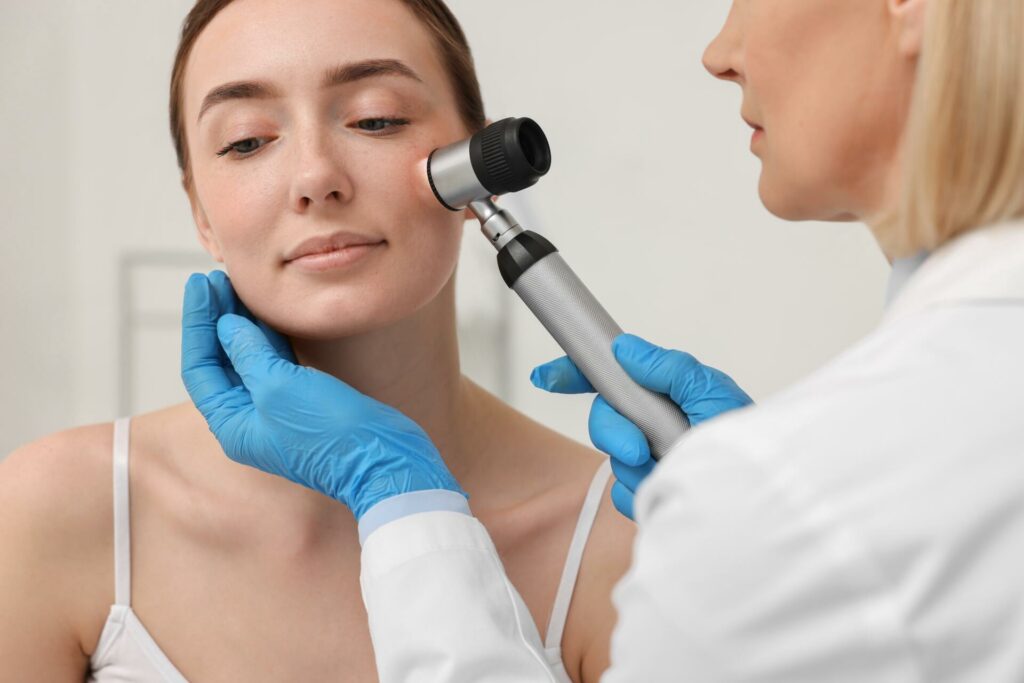

Skin cancer surgery is a fundamental step in removing cancerous tissue and protecting long-term skin health. Recovery and aftercare involve wound care, activity adjustments, and monitoring for changes during the healing process. Here is more information on navigating recovery tips and aftercare for a skin cancer procedure:
Caring for the Surgical Site
The surgical site needs gentle care and attention during the first days after your skin cancer surgery. Your care team will give you written directions that usually explain how to clean the wound, when to change dressings, and which products to use. Good wound care keeps the area clean and reduces the risk of complications. Here are a few habits that are helpful while the skin heals:
- Keep the dressing dry: Moisture can loosen the bandage, so protect it during showers if your provider advises it.
- Wash your hands first: Clean your hands before each dressing change to reduce the spread of germs to the site.
- Watch for changes: Note any redness, swelling, or drainage, and report these to your care team.
These small steps give the wound a calm space to heal and also make daily routines easier to manage.
Managing Pain and Healing Changes
Some soreness is common after skin cancer surgery, and the level depends on the size and location of the treated area. Your provider may suggest a pain plan, so make sure you understand which products to use and how often to use them. Take medicines exactly as directed, and avoid anything your care team has not approved.
Healing also brings visible changes that can surprise you if you do not expect them. You may notice tightness, mild bruising, or a scab forming over the site. These are part of the normal timeline, but contact your provider if the discomfort worsens or the area feels worse rather than better. Rest plays a quiet but key role in recovery. Try to limit heavy activity that pulls on the wound, and give your body time to repair itself.
Protecting the Skin During Recovery
Sun protection is a daily habit that guards the surgical site and the skin around it. Cover the area when you go outside, and ask your provider when it is safe to apply sunscreen directly to the wound. Here are some practical ways to shield the healing area:
- Wear protective clothing: Long sleeves, hats, and tightly woven fabrics can block much of the sun’s rays.
- Seek shade: Stay out of direct sunlight during the brightest midday hours whenever possible.
- Apply approved sunscreen: Once your provider clears it, apply it to nearby skin to limit further damage.
These habits protect fragile tissue and support long-term skin health.
Attending Follow-Up Visits
Follow-up visits let your care team check your progress and detect any concerns early. During these appointments, your provider examines the site, reviews healing, and answers your questions. These visits also create a record of how the area changes over time. Your provider may adjust your aftercare plan based on what they see, so share honest details about your daily activities. Open communication helps your team guide you with information that suits your situation. When you treat follow-ups as a fixed part of your routine, you give your care team the chance to support you fully.
Book Your Skin Cancer Surgery Appointment
Maintaining open communication with your care team, staying consistent with appointments, and prioritizing follow-up visits are fundamental steps to support your overall recovery and achieve the best possible outcomes. These help you receive personalized guidance and consistent care tailored to your needs. Contact a qualified dermatologist near you to book your skin cancer surgery appointment today.
