
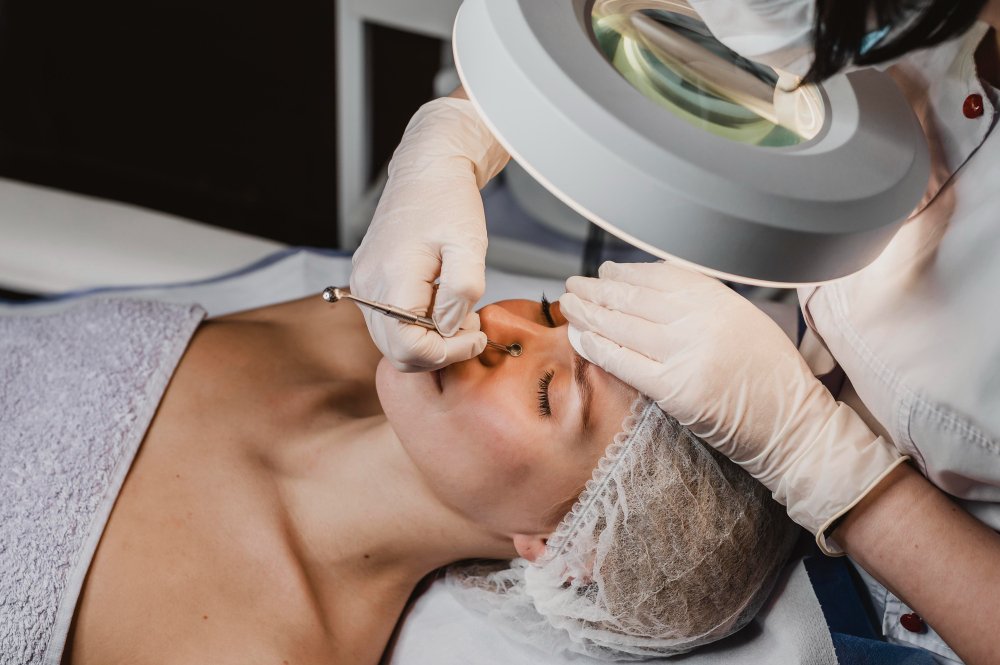

Skin cancer surgery is a treatment that removes cancer cells from the skin, and doctors use different methods to remove cancer while protecting the healthy skin around it. The goal is to clear the cancer and help the treatment area heal. Today, doctors have more tools than ever to treat skin cancer. Some of these approaches are surgical, while others use light or radiation to target the affected cells. Here’s information on innovative approaches to treating skin cancer:
Mohs Micrographic Surgery
There are three main types of skin cancer. The first is basal cell carcinoma, the most common type, and the second is squamous cell carcinoma, which may spread deeper if left untreated. The third is melanoma, which is less common but can spread to other parts of the body more quickly. Each type behaves differently, and doctors choose a treatment based on the type, size, and location of the cancer.
Mohs surgery is often recommended for cancers in sensitive areas, such as the face, ears, or hands. Doctors may also suggest this skin cancer surgery technique for cancers that have come back or that have unclear borders. This approach helps preserve as much healthy skin as possible, and it gives the surgeon a close look at the tissue during the procedure.
During Mohs surgery, the doctor removes a thin layer of skin and looks at it under a microscope right away. If cancer cells are still present, the doctor removes another layer and checks it again. These steps are repeated until no cancer cells remain. The Mohs surgery process is precise, so it may take several hours to finish. Because the surgeon checks each removed skin layer, they are able to remove cancer effectively while keeping the healthy skin around it intact.
Superficial Radiation Therapy
When skin cancer is detected early, conservative treatments are often the first approach before recommending surgery. These treatments, such as topical medications or superficial radiation therapy, aim to target and eliminate the cancerous cells while minimizing damage to healthy tissue. They are non-invasive, cause little to no pain, and can be done in a doctor’s office. Conservative approaches help reduce recovery times and preserve healthy skin. For many patients, these treatments are effective and convenient, allowing them to avoid the risks and longer recovery associated with surgical procedures.
Superficial radiation therapy, often called SRT, uses low-dose X-rays to treat certain skin cancers. The radiation reaches only the top layers of the skin, so it does not go deep into the body. This method is often used for basal cell and squamous cell cancers. SRT does not involve cutting, so there are no stitches and no surgical wound to heal. Treatment usually takes place over several short visits, and a doctor will guide you through the schedule that fits your needs.
Photodynamic Therapy
Photodynamic therapy (PDT) is another option for some skin cancers. This method uses a special medicine called a photosensitizer, which makes the cancer cells sensitive to light. The medicine is first placed on the skin and given time to absorb; a doctor then shines a specific type of light on the area. Light activates the medicine and targets the abnormal cells. PDT is often used for cancers found in the top layers of the skin. Because it focuses on the treated area, it may help limit damage to nearby healthy tissue.
Learn About Skin Cancer Surgery
Skin cancer treatments have grown to include many different methods. Superficial radiation therapy, photodynamic therapy, and Mohs micrographic surgery each offer a different way to treat the disease. The right choice depends on the type of cancer and where it is located. A medical professional can review your situation and explain which treatment option is appropriate for your needs. If you notice a new spot, a sore that does not heal, or a change in your skin, speak with a doctor.
